
Home Care Services for Seniors: A Family Guide
Home Care Services for Seniors: A Family Guide
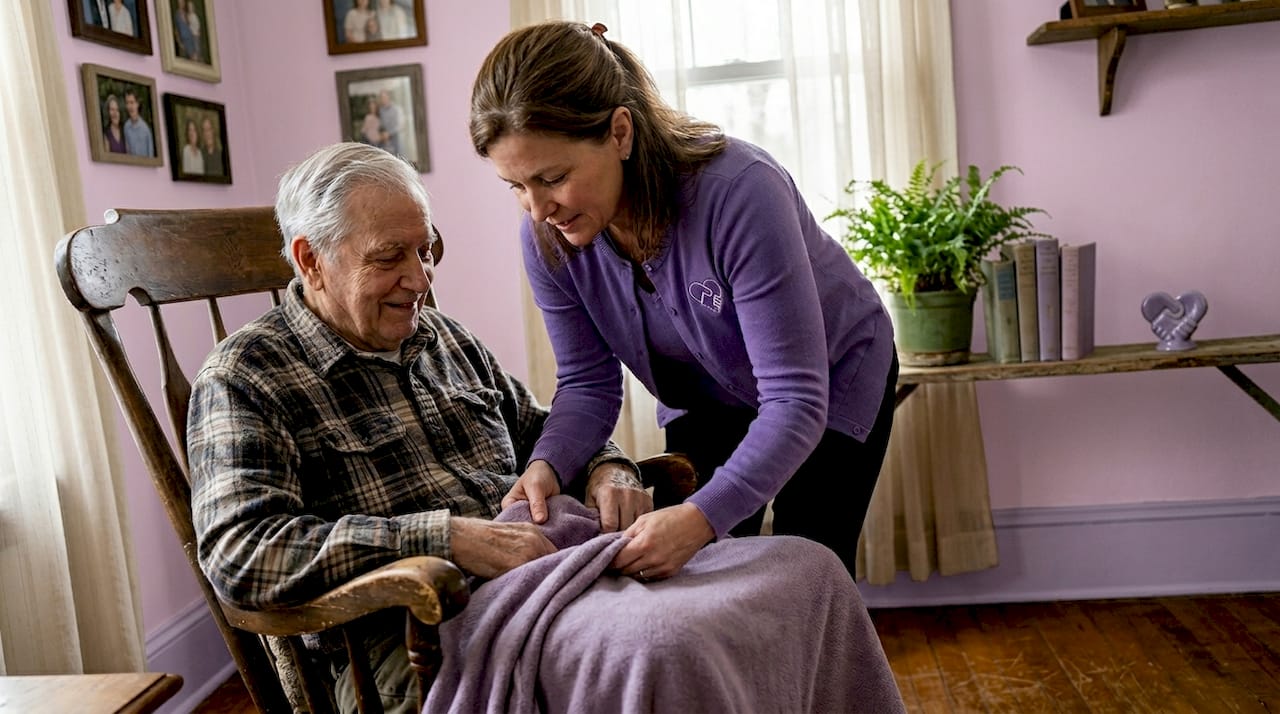
When your parent starts struggling with daily tasks, the question isn’t whether they need help. It’s how to find the right help without feeling completely lost. Home care services for seniors cover a wide range of support options, from personal hygiene assistance to skilled health monitoring, and choosing among them is genuinely hard when you’re already stretched thin. This guide breaks down what to look for, which service types matter most, and how to build a care plan that actually holds up as your parent’s needs change.
Table of Contents
- Key takeaways
- 1. Understanding what home care services for seniors actually cover
- 2. Knowing when it’s time to bring in professional help
- 3. Key criteria for choosing the right care provider
- 4. Personal care services: the foundation of daily dignity
- 5. Companionship services: the care type families underestimate
- 6. Skilled home health care: when medical needs enter the picture
- 7. Home safety modifications as part of care
- 8. Professional care versus family-provided care: an honest comparison
- 9. Adapting care as your parent’s needs change
- 10. Affordable senior care services and government funding options
- My honest take on navigating home care decisions
- How Helping Hands Home Care supports your family
- FAQ
Key takeaways
| Point | Details |
|---|---|
| Know the service types | Personal care, companionship, medical support, and housekeeping each serve different needs. |
| Evaluate caregivers carefully | Training, consistency, and communication matter as much as the services offered. |
| Use government funding | Medicaid and Area Agencies on Aging can significantly reduce out-of-pocket costs. |
| Plan for changing needs | Care plans should be reassessed regularly as your parent’s health and abilities shift. |
| Professional care relieves burnout | Bringing in trained help lets you focus on being a son or daughter, not a full-time aide. |
1. Understanding what home care services for seniors actually cover
Most families come in thinking “home care” means one thing. It doesn’t. The term covers everything from a caregiver helping your mom shower safely to a licensed nurse managing post-surgery wound care. Understanding the difference between personal care, companion care, and skilled medical care is the first decision you need to make.
Personal care involves hands-on help with activities of daily living: bathing, dressing, grooming, toileting, and mobility. Companion care focuses on social engagement, light household tasks, and transportation. Skilled or senior home health care involves licensed professionals handling medication management, physical therapy, or chronic condition monitoring. Many families need a combination of all three, and a good agency will help you figure out that mix.
2. Knowing when it’s time to bring in professional help
Caregiver burnout, changes in hygiene ability, and memory concerns are the most common triggers that push families toward seeking outside support. But waiting for a crisis is not a strategy.
Watch for these signs that your parent needs more support than the family can provide:
- Noticeable weight loss or skipped meals
- Unwashed clothes or poor personal hygiene
- Missed medications or incorrect dosing
- Increased falls or near-falls at home
- Social withdrawal or signs of depression
- Cluttered or unsafe living conditions
If two or more of these apply, it’s time to have a real conversation about in-home care for elderly parents, not next month. Now.
3. Key criteria for choosing the right care provider
Not all home care agencies are equal. Here’s what separates a provider you can trust from one that will leave you anxious every time you’re not in the room.
Caregiver qualifications and training. Ask specifically what certifications caregivers hold and how the agency screens them. Background checks, CPR certification, and dementia care training are non-negotiables for most families.
Consistency. Consistency and communication with caregivers improve seniors’ comfort and family trust significantly. Rotating through five different aides every week creates anxiety for your parent and gaps in care quality.
Customization. A rigid, one-size-fits-all schedule rarely works for long. Look for agencies that build flexible care plans and adjust them as needs change.
Family communication. You should receive regular updates, not just a call when something goes wrong. Ask how the agency keeps families informed day to day.
Cost and funding support. Understand what’s covered by private pay, long-term care insurance, or government programs before you sign anything.
Pro Tip: Ask every agency you interview this question: “What happens if our regular caregiver calls in sick?” The answer tells you everything about their backup systems and reliability.
4. Personal care services: the foundation of daily dignity
Personal care for seniors is the most requested category of home care, and for good reason. It addresses the tasks that become physically difficult with age but carry enormous emotional weight. Nobody wants to need help bathing. A skilled, compassionate caregiver makes that experience feel safe rather than humiliating.
Medication reminders, mobility assistance, meal preparation, and companionship are the core services that help seniors maintain independence in familiar surroundings. Typical personal care tasks include:
- Bathing, showering, and grooming assistance
- Help with dressing and undressing
- Toileting and incontinence support
- Transfer assistance from bed to chair or wheelchair
- Medication reminders and tracking
- Meal planning and preparation
- Light housekeeping and laundry
These services don’t just preserve physical health. They protect your parent’s sense of self-worth and routine, which matters enormously for emotional wellbeing.
5. Companionship services: the care type families underestimate
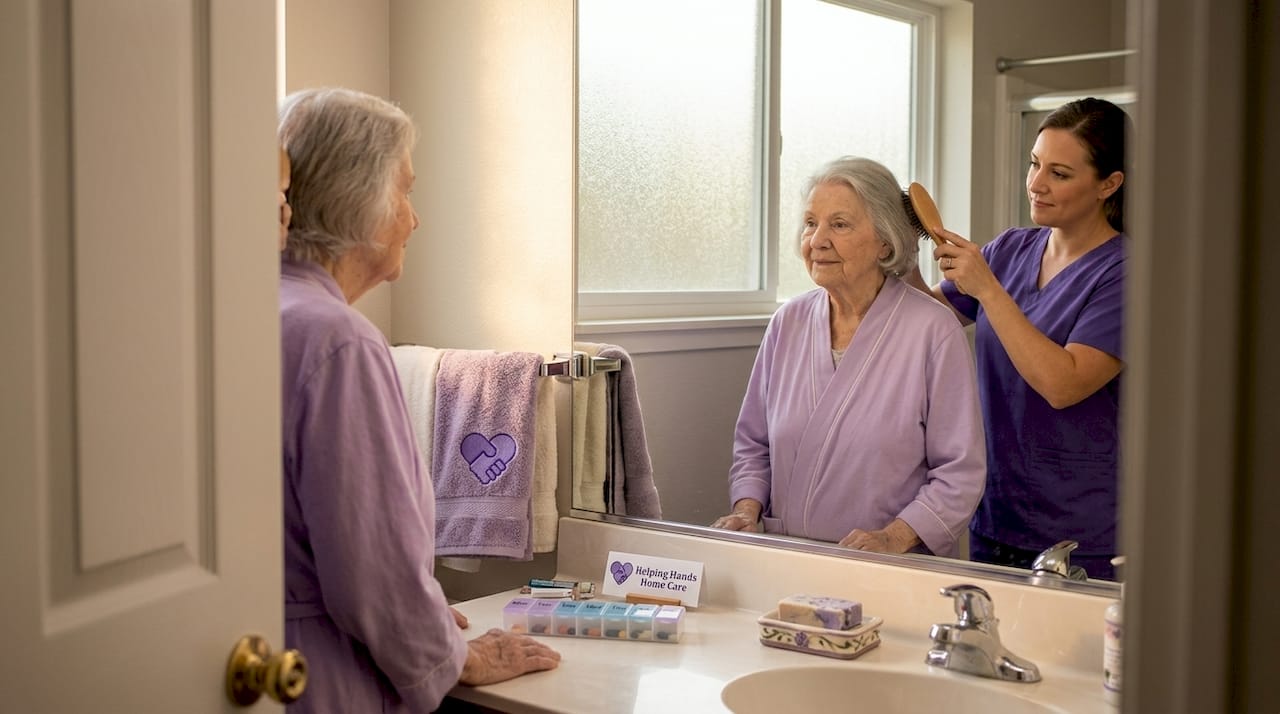
Social isolation is a genuine health risk for older adults, not just an inconvenience. Regular companionship services for seniors provide structured social interaction that reduces loneliness, supports cognitive engagement, and gives your parent something to look forward to each week.
Companion caregivers read aloud, play cards, accompany seniors on walks, help with hobbies, and simply talk. For seniors who live alone or whose family members live far away, this kind of consistent human contact can be the difference between a good day and a very hard one.
6. Skilled home health care: when medical needs enter the picture
After a hospital stay or a new diagnosis, your parent may need more than personal care. Transitional Living Specialists help seniors move from hospital to home with structured, personalized care plans that coordinate recovery while promoting independence.
Skilled home health services include wound care, physical and occupational therapy, speech therapy, IV medication administration, and chronic disease management. These services require licensed professionals and are often partially covered by Medicare or Medicaid, unlike personal care services which typically fall under different funding categories.
7. Home safety modifications as part of care
Care doesn’t stop at what a caregiver does. It extends to the environment your parent lives in. Safety enhancements like grab bars, ramps, and improved lighting reduce fall risk and create more accessible spaces for seniors aging in place.
A good home care agency will assess the home environment and flag hazards during the intake process. If yours doesn’t, consider hiring an occupational therapist for a one-time home safety evaluation. The cost is modest. The payoff in fall prevention is significant.
8. Professional care versus family-provided care: an honest comparison
Many families try to handle everything themselves at first. That’s understandable. But professional home care helps relieve family caregiver burnout by complementing, not replacing, family involvement. The goal is a sustainable model, not a guilt-driven one.
| Care model | Strengths | Limitations |
|---|---|---|
| Family-only care | Emotional closeness, low cost, flexibility | Burnout risk, skill gaps, unsustainable long-term |
| Professional agency | Trained staff, backup coverage, structured plans | Higher cost, adjustment period for senior |
| Hybrid model | Balances emotional support with professional skill | Requires coordination and clear communication |
| Self-hired caregiver | Lower cost than agency, more direct control | No backup, legal/tax complexity for employer |
The hybrid model works best for most families. You handle the emotional connection and family visits. A professional caregiver handles the daily physical tasks. Relieving caregiver burnout lets you show up as a son or daughter again, not an exhausted aide.
Pro Tip: If you go the self-hire route, know that you become the legal employer. That means payroll taxes, workers’ compensation, and no backup if your caregiver is sick. Agencies absorb all of that risk for you.
9. Adapting care as your parent’s needs change
In-home care is a dynamic process that should adapt regularly to a senior’s changing cognitive and physical needs. A care plan that worked six months ago may be inadequate today.
Build regular reassessment into your routine. Consider these checkpoints:
- Schedule a formal care review every 90 days with the agency
- Communicate any new diagnoses or hospitalizations immediately
- Watch for behavioral changes that signal cognitive decline
- Add memory care support if confusion or wandering becomes a concern
- Incorporate technology aids like medical alert systems or medication dispensers as independence decreases
Balancing independence with safety is the central tension in elder care. The goal is never to take over your parent’s life. It’s to remove the barriers that make their current life harder than it needs to be.
10. Affordable senior care services and government funding options
Cost is the number one reason families delay getting help. But affordable senior care services are more accessible than most people realize.
Medicaid and Area Agencies on Aging are the primary resources for low-cost or free home care services, connecting families to household help and personal care based on income eligibility. Here’s a quick overview of what’s available:
| Program | What it covers | Who qualifies |
|---|---|---|
| Medicaid | Personal care, home modifications, some skilled care | Income and asset limits vary by state |
| Medicare | Skilled nursing, physical therapy (limited) | Post-hospitalization, specific conditions |
| Area Agencies on Aging | Homemaker services, meal delivery, respite care | Primarily seniors 60+ with low income |
| VA Benefits | Home care, respite, adult day services | Veterans with service-related or financial need |
| Tax credits | Dependent care credit for qualifying expenses | Adult children paying for parent’s care |
Government programs often cover skilled nursing and personal care but vary significantly by state and eligibility. Start with the Eldercare Locator at eldercare.acl.gov to find your local Area Agency on Aging. They can walk you through every program available in your region at no charge.
My honest take on navigating home care decisions
I’ve watched families go through this process many times, and the pattern is almost always the same. They wait too long, try to do too much themselves, and then scramble when a crisis forces the issue. The families who do this well start the conversation early, before a fall or a hospitalization makes the decision for them.
What I’ve learned is that the emotional resistance is almost always bigger than the practical problem. Adult children feel guilty about “handing off” their parent’s care. Seniors feel like accepting help means giving up their independence. Neither of those feelings is accurate, but both of them are real. The best caregiving relationships I’ve seen treat in-home care as a flexible partnership that evolves with the senior’s health and lifestyle. Not a surrender. A strategy.
The other thing I’d push back on is the idea that more care equals less dignity. Done right, it’s the opposite. A well-matched caregiver who shows up consistently, knows your parent’s preferences, and treats them with genuine respect gives your parent more dignity than struggling alone through tasks that have become unsafe. That’s the outcome worth planning for.
— Michael
How Helping Hands Home Care supports your family
When you’re ready to move from researching to acting, Helping-hands-home-care is built for exactly this moment. Their team provides professional home health aide services that support Medicaid-eligible clients, along with personal care, companionship, and specialized support for seniors with more intensive needs.

Beyond standard personal care, Helping-hands-home-care also offers professional house cleaning to keep your parent’s home safe and manageable, and in-home massage therapy as part of a holistic approach to senior comfort and wellbeing. Care plans are customized to your parent’s specific needs and adjusted as those needs evolve. Families receive regular communication so you’re never left guessing. Explore the full range of senior care services and schedule a consultation to find the right fit.
FAQ
What do home care services for seniors typically include?
Home care services for seniors generally include personal care (bathing, dressing, grooming), medication reminders, meal preparation, companionship, light housekeeping, and transportation. Skilled services like nursing or physical therapy may also be available depending on the provider.
How do I know if my parent needs in-home care?
Signs include missed medications, poor hygiene, unexplained weight loss, frequent falls, or noticeable social withdrawal. If two or more of these are present, a professional care assessment is worth scheduling right away.
Can I get affordable home care through government programs?
Yes. Medicaid and Area Agencies on Aging provide low-cost or free home care based on income eligibility. Veterans may also qualify for home care benefits through the VA. The Eldercare Locator at eldercare.acl.gov connects families to local resources.
Is it better to hire through an agency or directly?
Agencies provide backup coverage, handle payroll and taxes, and vet caregivers thoroughly. Self-hiring can lower costs but makes you the legal employer with no built-in backup. For most families, an agency offers better reliability and less administrative burden.
How often should a senior’s care plan be reviewed?
Care plans should be formally reviewed at least every 90 days, and immediately after any hospitalization, new diagnosis, or noticeable change in physical or cognitive ability.