
Professional Elder Home Cleaning: What Families Need to Know
Professional Elder Home Cleaning: What Families Need to Know
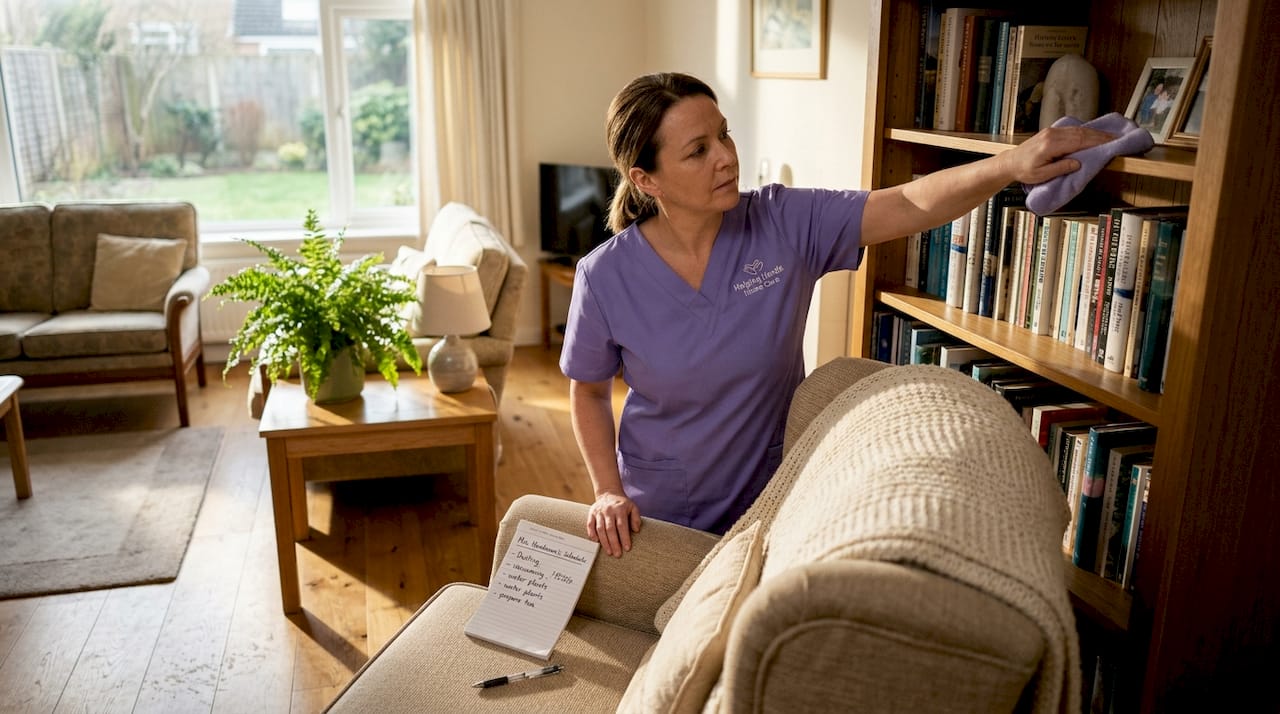
Professional elder home cleaning is a specialized service that maintains a safe, hygienic living environment for seniors by combining thorough housekeeping with targeted fall prevention and infection control measures. Unlike standard residential cleaning, this service is built around the physical realities of aging: reduced mobility, heightened infection risk, and sensitivity to harsh chemicals. Families and caregivers increasingly turn to these services not just to keep a home tidy, but to reduce hazards that lead to serious injury or illness. Understanding what professional elder home cleaning includes, and how it differs from general cleaning or in-home caregiving, helps you make smarter decisions for the people you care for.
What is professional elder home cleaning and what does it include?
Professional elder home cleaning covers routine housekeeping tasks combined with safety and hygiene priorities that standard cleaning services typically overlook. The industry term for this category is senior home cleaning, and it operates on a dual goal: cleanliness and enhanced safety, particularly fall prevention in high-traffic areas.
A typical service visit includes the following tasks:
- Dusting and vacuuming all living areas, with attention to baseboards and furniture edges where allergens collect
- Mopping hard floors using low-residue, low-chemical solutions appropriate for seniors with respiratory sensitivities
- Cleaning high-touch surfaces such as countertops, bathroom fixtures, light switches, and door handles to reduce germ transmission
- Dishwashing and kitchen sanitation to prevent foodborne illness
- Clutter reduction and walkway clearing to eliminate trip hazards in hallways, bedrooms, and bathrooms
- Laundry assistance, coordinated to minimize heavy lifting by the senior resident
- Bathroom deep cleaning, given that bathrooms are the highest-risk rooms for both falls and germ exposure
The cleanliness and safety emphasis distinguishes elder cleaning from a standard house clean. Providers structure their workflow around keeping pathways clear and minimizing chemical exposure throughout the visit.
Scheduling follows a two-phase model. Most providers recommend starting with a deep clean to establish a baseline, then regular maintenance visits on a weekly or biweekly schedule to prevent clutter and dust from accumulating between sessions. This prevents the regression that happens when a single intensive clean is followed by weeks of no service.
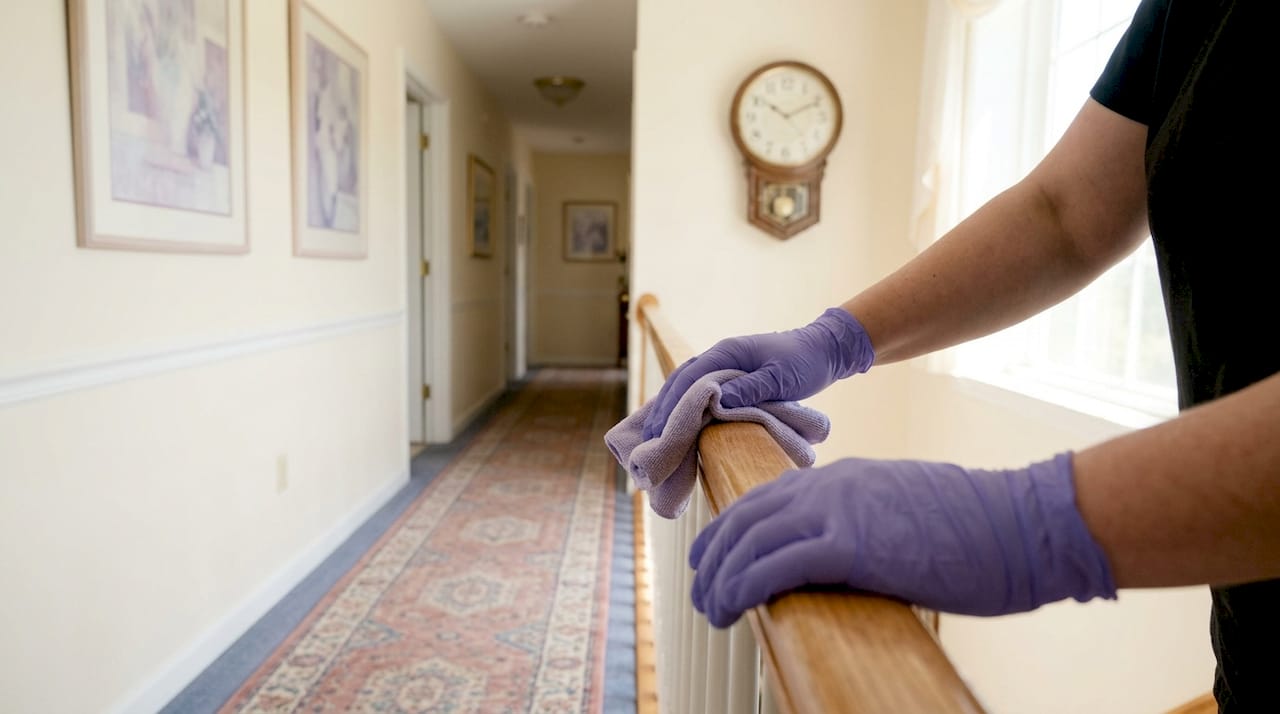
Pro Tip: Ask your provider to use fragrance-free, low-VOC cleaning products. Green cleaning solutions produce fewer volatile organic compounds than conventional cleaners, which directly lowers respiratory exposure risks for both the senior and the cleaning professional.
How does elder home cleaning differ from general cleaning and caregiving?
Families often assume that a standard cleaning service can handle a senior’s home, or that an in-home caregiver will take care of cleaning as part of their role. Neither assumption is accurate, and the distinction matters for both safety and budget planning.
The table below clarifies the three service categories:
| Service type | Primary focus | Includes cleaning? | Includes personal care? |
|---|---|---|---|
| Standard residential cleaning | General tidiness | Yes, basic tasks | No |
| Professional elder home cleaning | Cleanliness plus safety | Yes, safety-adapted | No |
| In-home caregiving | Person-centered care | Rarely, light tasks only | Yes, bathing, dressing, medication |
Senior cleaning services maintain the home environment, while in-home caregivers focus on the personal care needs of the senior. These are complementary services, not interchangeable ones. A caregiver helping a senior bathe and dress is not responsible for scrubbing the bathroom or vacuuming the hallway. Expecting one role to cover both creates gaps in care.
Elder home cleaning also differs from standard cleaning in its level of customization. Providers adapt their routines to the senior’s mobility limitations, health conditions, and daily schedule. A senior who uses a walker, for example, requires a cleaning professional who understands not to move furniture or rugs without restoring them to their exact original position. A senior with dementia benefits from a consistent cleaning schedule with the same team member each visit, reducing confusion and anxiety.
The coordination between caregivers and cleaning professionals is where families can add the most value. Sharing relevant health information, such as allergies, fall history, or preferred cleaning times, allows both service providers to work more effectively. You can learn more about how these roles interact in this family guide to senior care.
What are the health and safety benefits of professional elder home cleaning?
The health case for professional elder home cleaning is grounded in three areas: infection control, fall prevention, and respiratory health. Each one directly affects a senior’s quality of life and long-term independence.
“Breaking cleaning into manageable, room-by-room routines lowers stress and increases infection control efficacy in elder homes.” This approach, recommended by HealthyChildren.org, applies directly to senior households where kitchens and bathrooms carry the highest germ load.
Routine cleaning targeting high-touch surfaces reduces infection risks for elderly residents. Seniors have weaker immune systems, which means a surface contamination that a younger adult would fight off easily can cause serious illness in an older person. Regular disinfection of countertops, bathroom fixtures, and door handles interrupts this transmission pathway before it becomes a health event.
Fall prevention is the second major benefit. Clutter on floors, loose rugs, and items left in walkways are leading contributors to falls among seniors at home. Professional elder cleaning services treat walkway management as a core task, not an afterthought. Keeping pathways clear and coordinating laundry to reduce heavy lifting by the senior are standard practices in mobility-safe cleaning workflows.
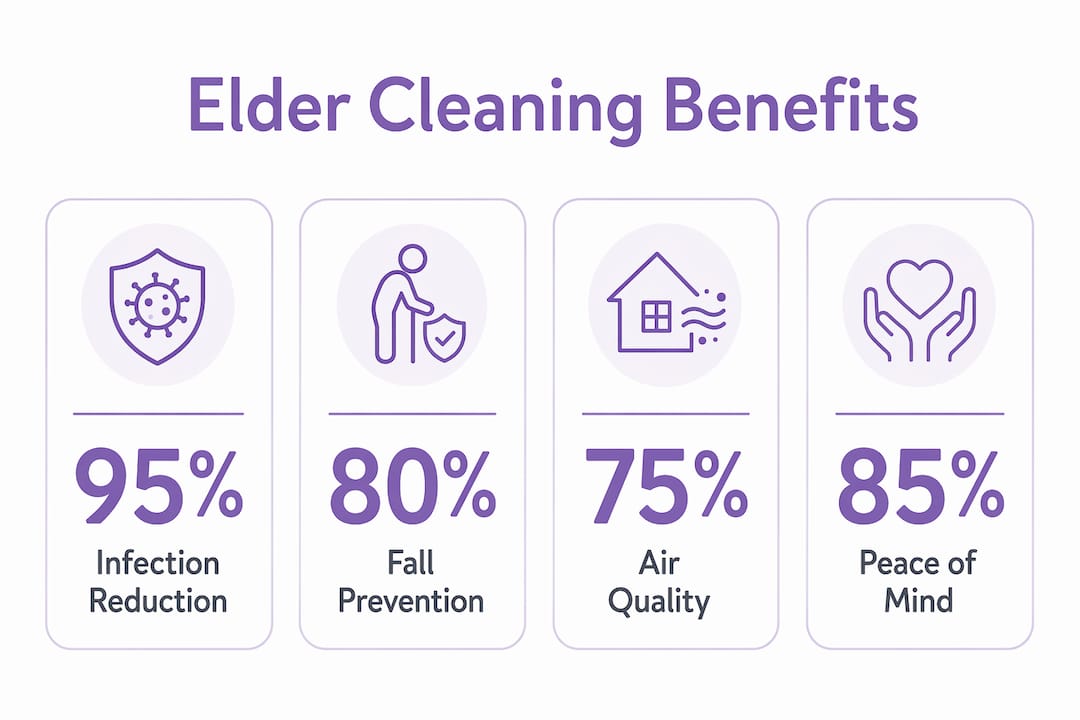
Respiratory health is the third benefit, and it is often underestimated. Providers like Bravo Maids use HEPA-13 filtration and 275°F dry vapor thermal sanitization to remove allergens and reduce VOC residues in senior homes. This level of air quality management matters significantly for seniors with asthma, COPD, or other respiratory conditions. Standard cleaning equipment does not capture fine particulates at this level, which means a regular cleaning service may actually redistribute allergens rather than remove them.
For families managing care from a distance, professional elder cleaning also delivers peace of mind. Some providers issue same-day sanitization receipts confirming work completed, giving remote family members documented confirmation that the home is being maintained to a consistent standard.
How can families choose and coordinate elder home cleaning services?
Choosing the right provider requires more than comparing prices. The quality of elder home cleaning depends on the provider’s understanding of senior-specific needs, their vetting process for cleaning staff, and their flexibility in customizing service plans.
Follow these steps when evaluating and setting up a service:
- Assess the scope of cleaning needed. Walk through the home and identify the highest-priority areas: bathrooms, kitchen, main walkways, and any rooms the senior uses daily. This becomes the baseline for your service plan.
- Verify staff credentials and background checks. Cleaning professionals entering a senior’s home should be background-checked and trained in elder-specific protocols. Ask providers directly about their hiring and training standards.
- Communicate health and safety preferences upfront. Share information about allergies, chemical sensitivities, mobility aids, and any areas of the home that require special handling. This is not optional. It is the difference between a safe visit and a harmful one.
- Start with a deep clean. Most providers recommend an initial deep clean before transitioning to regular maintenance visits. This establishes a clean baseline and gives the cleaning team a full picture of the home’s condition.
- Set a recurring schedule. Weekly or biweekly visits are the standard for most senior households. Consistent scheduling with the same team member builds familiarity and trust with the senior resident.
- Use confirmation tools if managing care remotely. Ask whether the provider offers visit summaries, photos, or receipts. These tools are particularly valuable for adult children coordinating care from another city.
Pro Tip: Request a trial visit before committing to a long-term contract. This lets you evaluate the cleaning team’s approach, the products they use, and how the senior responds to having them in the home. A provider confident in their service will not hesitate to offer this.
Integrating cleaning with caregiving schedules takes one more step. Coordinate cleaning visits for times when a caregiver is also present, at least for the first few visits. This allows the caregiver to provide context about the senior’s routine and flag any concerns in real time. You can explore how professional caregivers support this coordination process as part of a broader care plan.
Key takeaways
Professional elder home cleaning is defined by its dual focus on cleanliness and safety, making it a distinct and necessary service for seniors aging in place.
| Point | Details |
|---|---|
| Dual goal of service | Elder cleaning targets both cleanliness and fall prevention, not tidiness alone. |
| Distinct from caregiving | Cleaning services maintain the home environment; caregivers handle personal care tasks. |
| Infection control matters | High-touch surface disinfection and room-by-room routines reduce illness risk for seniors. |
| Start with a deep clean | An initial deep clean establishes a baseline before transitioning to regular maintenance visits. |
| Coordination is key | Sharing health details and scheduling cleaning alongside caregiving visits improves outcomes. |
Why regular maintenance beats the one-time deep clean every time
I have seen families make the same mistake repeatedly. They schedule a thorough deep clean when a parent’s home reaches a crisis point, feel relieved, and then let months pass before the next service. By then, the home has regressed to the same condition, and the cycle repeats. This approach costs more over time and does nothing to prevent the falls and infections that happen in the weeks between cleanings.
The evidence is clear that recurring maintenance is what actually protects seniors. A consistent light housekeeping schedule, following an initial deep clean, keeps the home at a safe baseline rather than swinging between clean and hazardous. The deep clean is the starting point, not the solution.
What I find families underestimate most is the psychological dimension. Seniors who live in consistently clean, organized homes report lower anxiety and greater confidence moving around their own space. That confidence matters for independence. A senior who feels safe in their home is less likely to restrict their own movement out of fear of falling, which in turn reduces the physical deconditioning that accelerates decline.
My strongest recommendation is to treat elder home cleaning as a recurring health service, not a one-time fix. Choose a provider who understands mobility challenges, uses low-chemical products, and assigns consistent team members. Then schedule it like a medical appointment: regularly, without waiting for a crisis to prompt action.
— Michael
How Helping Hands Home Care supports senior home cleaning
Helping Hands Home Care provides professional house cleaning designed specifically for seniors, with a focus on safety, hygiene, and minimal disruption to the elder’s daily routine. Every team member is background-checked and trained to work in senior home environments, including awareness of mobility aids, fall risks, and chemical sensitivities.
Cleaning services through Helping Hands Home Care integrate directly with personal care and home health aide support, so families get a coordinated care plan rather than disconnected services. Whether you need weekly maintenance cleaning, a one-time deep clean, or a combined care and cleaning schedule, the team works with you to build a plan that fits the senior’s needs and your family’s schedule. Reach out to Helping Hands Home Care to discuss a cleaning plan tailored to your loved one’s home.
FAQ
What is professional elder home cleaning?
Professional elder home cleaning is a specialized housekeeping service that combines routine cleaning tasks with safety measures tailored to seniors, including walkway clearing, high-touch surface disinfection, and the use of low-chemical products. It differs from standard cleaning by prioritizing fall prevention and infection control alongside general tidiness.
How often should a senior’s home be professionally cleaned?
Most senior households benefit from weekly or biweekly professional cleaning visits following an initial deep clean. Consistent scheduling prevents clutter and dust from accumulating and maintains a safe baseline environment between visits.
Does professional elder cleaning include personal care for the senior?
No. Professional elder home cleaning focuses on the home environment, covering tasks like vacuuming, mopping, and bathroom sanitation. Personal care tasks such as bathing, dressing, and medication management are handled by in-home caregivers, not cleaning professionals.
What cleaning products are safest for elderly residents?
Fragrance-free, low-VOC, and green-certified cleaning products are the safest choice for senior homes. Studies confirm that green cleaning products produce fewer volatile organic compounds than conventional cleaners, reducing respiratory exposure for seniors and cleaning staff alike.
How can remote family members verify that cleaning is being done?
Ask providers whether they offer visit summaries, photos, or sanitization receipts sent after each cleaning session. Some services provide same-day documentation confirming tasks completed, giving remote caregivers reliable confirmation that the home is being maintained to a consistent standard.