
Types of Wellness Services at Home: 2026 Guide
Types of Wellness Services at Home: 2026 Guide
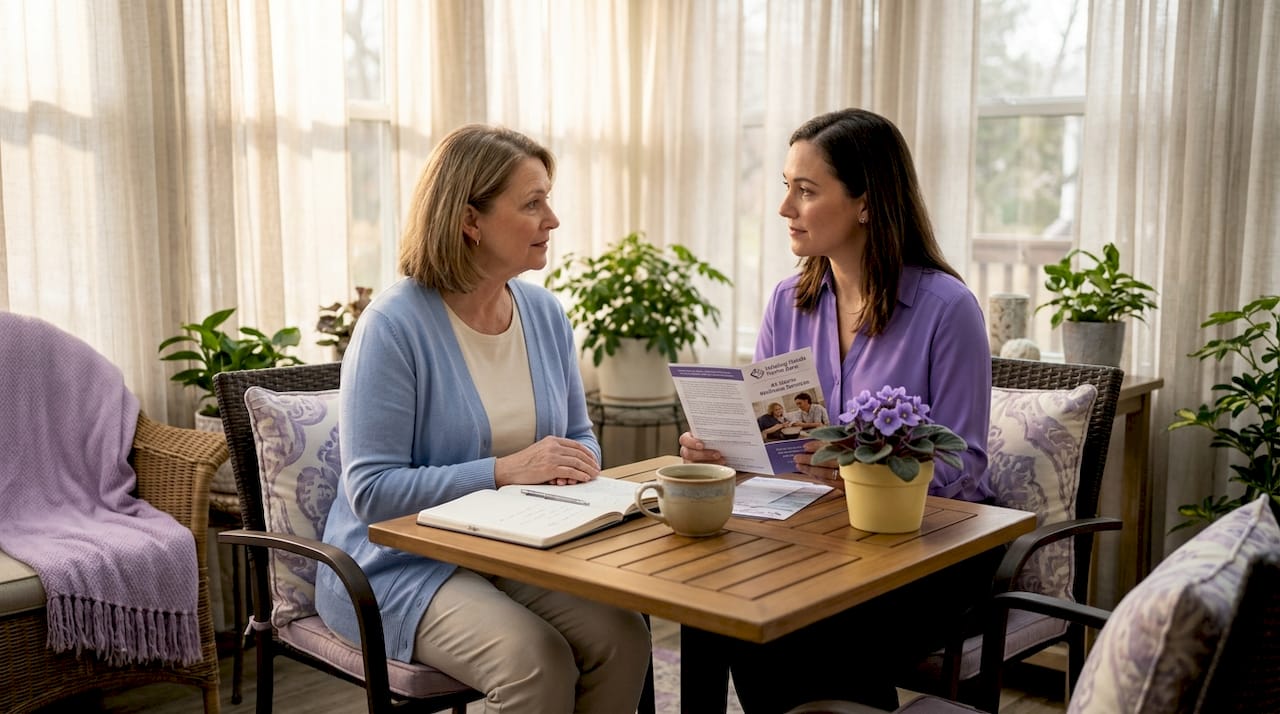
Wellness services at home are defined as specialized care and self-care options delivered in a residential setting to support physical, mental, and emotional well-being. The types of wellness services at home span four primary categories: physical recovery and relaxation, medical and health monitoring, mental wellness support, and fitness and movement. Whether you are an elderly caregiver managing a loved one’s recovery, a health-conscious family building daily routines, or someone simply prioritizing self-care, understanding these categories helps you select the right combination of services for your needs.
1. Physical recovery and relaxation services available at home
Physical recovery services are the most widely used category of home wellness services, covering everything from licensed massage therapy to structured physical therapy programs. These services reduce muscle tension, accelerate injury recovery, and support long-term mobility without requiring a clinic visit.
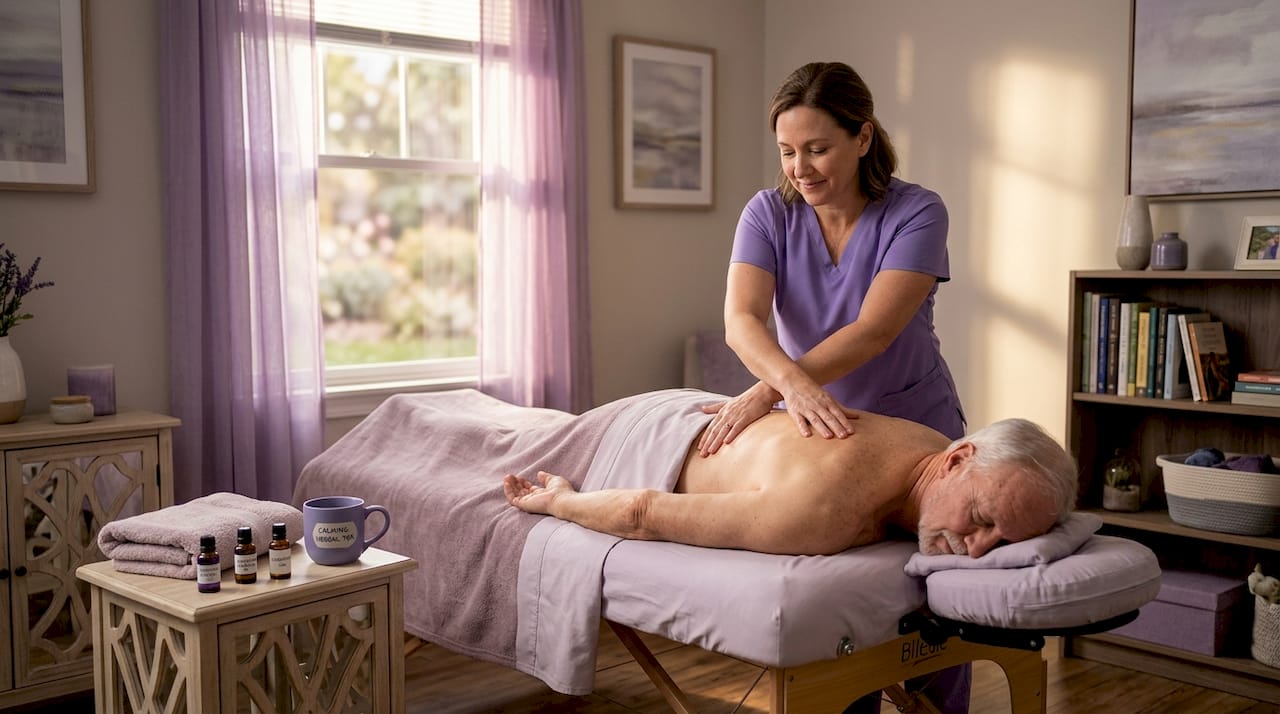
Massage therapy delivered at home addresses stress relief, chronic pain, and post-surgical recovery. Professional therapists bring portable tables and equipment directly to your space, offering Swedish, deep tissue, and sports massage techniques. The benefits of in-home massage include reduced cortisol levels, improved circulation, and the comfort of a familiar environment that enhances relaxation.
In-home physical therapy is a growing option for people who need hands-on rehabilitation without traveling to a clinic. ChristianaCare’s 2026 program delivers licensed PT sessions at home lasting 45 to 55 minutes, following an outpatient model covered under Medicare Part B. This means patients without a homebound requirement can still receive professional physical therapy in their living room.
Additional tools that support physical recovery include:
- Infrared saunas and hydrotherapy units for heat-based muscle relaxation
- Massage guns such as the Theragun or Hypervolt for targeted deep tissue relief
- Acupressure mats like the Shakti Mat for passive tension release
- Contrast therapy kits combining heat pads and cold packs for post-exercise recovery
Pro Tip: Before booking any physical recovery service, consult your primary care physician if you have cardiovascular conditions, recent surgery, or active inflammation. Not every modality suits every health status, and a brief medical clearance protects your investment.
2. Medical and health monitoring managed through at-home services
Medical and health monitoring at home covers skilled nursing, remote consultations, and wearable technology that tracks vital signs between provider visits. This category is especially relevant for older adults managing chronic conditions or recovering from hospitalization.
Medicare home health care covers skilled nursing, physical therapy, occupational therapy, home health aides, and certain durable medical equipment. Certifications last 60 days and can be renewed, but the benefit is time-limited and designed for skilled care only. Medicare does not cover 24-hour custodial care unless it is tied to a skilled visit, which is a boundary many families discover too late.
Medicaid Home and Community-Based Services (HCBS) fill the gap that Medicare leaves. Medicaid HCBS programs vary by state and extend beyond skilled medical care to include personal care, adult day services, meal delivery, and non-medical transportation. This distinction matters because many older adults need both programs simultaneously to maintain full wellness at home.
California’s In-Home Supportive Services (IHSS) program illustrates the scale of this need. IHSS supports nearly 900,000 seniors and adults with disabilities, with social workers conducting functional assessments to determine personalized service hours. That model of assessment-driven care allocation is the gold standard for matching services to actual need.
| Feature | Medicare home health | Medicaid HCBS |
|---|---|---|
| Service type | Skilled medical care only | Personal care and daily living supports |
| Duration | Time-limited, 60-day certifications | Long-term, ongoing |
| Homebound requirement | Yes, generally required | No, community-based |
| Custodial care covered | No | Yes, in most states |
| Examples | Skilled nursing, PT, OT | Meal delivery, personal care, transportation |
3. Mental wellness and support services accessible at home
Mental wellness services delivered at home include in-person therapy sessions, virtual counseling, guided meditation programs, and structured stress reduction courses. These services are particularly valuable for elderly caregivers who rarely have time to travel to appointments, and for families managing anxiety, grief, or caregiver burnout.
Key options in this category include:
- In-home therapy sessions where licensed counselors or psychologists visit the residence, removing transportation barriers entirely
- Virtual therapy platforms such as BetterHelp and Talkspace, which connect users to licensed therapists via video or messaging
- Guided meditation programs through apps like Calm or Headspace, structured around daily 10 to 20-minute sessions
- Structured mental wellness programs focused on cognitive behavioral techniques, stress reduction, and coping strategies for chronic illness caregivers
- Remote medication management through providers like Journey Mental Health, which offers online psychiatric care and therapy across multiple states
The accessibility factor is significant. Families caring for an elderly parent often report that scheduling a therapy appointment outside the home feels impossible. Virtual and in-home mental health services remove that barrier entirely, making consistent care realistic rather than aspirational.
A structured mental wellness program works best when it combines professional support with daily self-practice. Pairing weekly virtual therapy sessions with a daily meditation habit produces more durable results than either approach alone.
4. Fitness and movement options as at-home wellness services
Fitness-focused at-home wellness services range from personal trainers who visit your home to virtual coaching programs delivered via tablet or smart TV. These services support physical conditioning, weight management, and rehabilitation for all age groups.
Personal trainers who make house calls bring portable equipment including resistance bands, kettlebells, and suspension trainers. They design programs around your available space and fitness level, which is especially practical for seniors with limited mobility or families with young children who cannot easily leave the house.
Gentle yoga and Pilates sessions delivered at home are among the most requested in-home wellness treatments for older adults. These modalities improve balance, flexibility, and core strength without high-impact stress on joints. Many certified instructors now offer hybrid models, alternating between in-person home visits and live-streamed sessions to maintain continuity.
The line between fitness services and physical therapy often blurs at home. In-home PT programs like ChristianaCare’s follow an outpatient rehabilitation model, meaning the exercises prescribed overlap significantly with functional fitness training. For someone recovering from a hip replacement, the distinction between PT and fitness coaching matters less than the consistency of movement practice.
Virtual fitness coaching through platforms like Peloton App, Future, and Apple Fitness+ provides structured programming without requiring a trainer to be physically present. These tools work well for health-conscious families who want guided workouts on a flexible schedule.
5. Self-care and pampering as everyday wellness practice
Self-care at home is a growing wellness category that emphasizes consistency, environment, and integration with physical and mental well-being routines. It does not require expensive equipment or professional appointments to be effective.
Popular at-home pampering includes warm baths with Epsom salts, structured skincare routines (cleanse, exfoliate, mask, and moisturize), and self-massage using tools like massage guns or acupressure mats. These activities support relaxation and recovery without medical intervention, making them accessible to nearly everyone regardless of budget.
Creating a home wellness retreat structure amplifies the benefits of individual self-care habits. A structured daily schedule that includes morning breathwork, midday gentle yoga, and an evening skincare routine mirrors the format of residential wellness retreats at a fraction of the cost. The key is treating these blocks as non-negotiable appointments rather than optional extras.
Maintaining the routine after the initial motivation fades is where most people struggle. Scheduling a weekly spa night, setting phone reminders for meditation, and keeping self-care supplies visible and organized all reduce the friction that causes routines to collapse.
Pro Tip: You do not need a dedicated room for a home wellness retreat. A corner of your bedroom with a yoga mat, a candle, and a small basket of skincare products creates enough environmental cues to signal your brain that it is time to decompress.
Key takeaways
At-home wellness services work best when medical care, fitness, mental health support, and self-care routines are combined into a personalized plan rather than used in isolation.
| Point | Details |
|---|---|
| Four core service categories | Physical recovery, health monitoring, mental wellness, and fitness cover the full spectrum of home wellness. |
| Medicare vs. Medicaid distinction | Medicare covers short-term skilled care; Medicaid HCBS covers long-term personal and daily living supports. |
| In-home PT is expanding | ChristianaCare’s 2026 program shows licensed PT can be delivered at home under Medicare Part B without homebound status. |
| Self-care requires structure | A scheduled daily routine with consistent environment cues produces more durable wellness outcomes than ad hoc habits. |
| Functional assessment guides care | Social worker or PT assessments determine the right service mix for older adults, preventing over or under-utilization. |
What I have learned from watching families navigate at-home wellness
After years of working alongside families choosing home care and wellness services, the single biggest mistake I see is treating these services as separate decisions. A family will hire a home health aide through Medicare, then separately search for a massage therapist, then wonder why their elderly parent still seems depleted and anxious. The services are not connected, and neither are the outcomes.
The most effective approach starts with a functional assessment. Before booking anything, have a licensed professional evaluate the person’s mobility, cognitive status, and daily living needs. California’s IHSS model, where social workers assess and allocate service hours based on actual function, is the right framework. It prevents families from paying for services that do not match the real need.
I also think the mental wellness piece is chronically underserved in home care planning. Physical recovery gets attention because it is visible. Mental health support for both the care recipient and the caregiver rarely makes the list until a crisis forces it. Scheduling virtual therapy or a guided meditation program from day one, not as an afterthought, changes the entire trajectory of a care plan.
Finally, do not underestimate self-care as a clinical tool. Consistent sleep, structured relaxation, and even a weekly home spa routine reduce cortisol and improve immune function. These are not luxuries. They are maintenance.
— Michael
How Helping Hands Home Care supports your wellness at home
Helping Hands Home Care provides professional home health aide services and in-home massage therapy designed to support elderly individuals and families across the full spectrum of at-home wellness needs. Services are compatible with Medicaid and Medicare programs, making professional care accessible without navigating coverage alone.
Whether you need skilled personal care, physical relaxation through therapeutic massage, or help understanding which at-home wellness programs fit your situation, Helping Hands Home Care builds personalized care plans around your specific goals. Reach out today to discuss how a tailored home care plan can support your family’s well-being.
FAQ
What are the main types of wellness services at home?
The four primary categories are physical recovery and relaxation, medical and health monitoring, mental wellness support, and fitness and movement. Each category includes both professional services and self-directed options.
Does Medicare cover at-home wellness services?
Medicare home health covers skilled nursing, physical therapy, and home health aide visits, but only for time-limited skilled care. It does not cover long-term custodial or non-medical wellness services.
What is the difference between Medicare home health and Medicaid HCBS?
Medicare home health is a short-term benefit for skilled medical services, while Medicaid HCBS provides longer-term supports for daily living including personal care, meal delivery, and transportation.
Can in-home physical therapy replace a clinic visit?
Yes, for many conditions. ChristianaCare’s 2026 program delivers licensed, hands-on PT sessions at home lasting 45 to 55 minutes under Medicare Part B, without requiring homebound status.
How do I start building a self-care wellness routine at home?
Begin with a structured daily schedule that includes one physical practice such as yoga or stretching, one mental practice such as meditation or breathwork, and one pampering ritual such as a skincare routine or warm bath. Consistency matters more than complexity.