
A Caregiver Communication Log Keeps Everyone on the Same Page
A Caregiver Communication Log Keeps Everyone on the Same Page
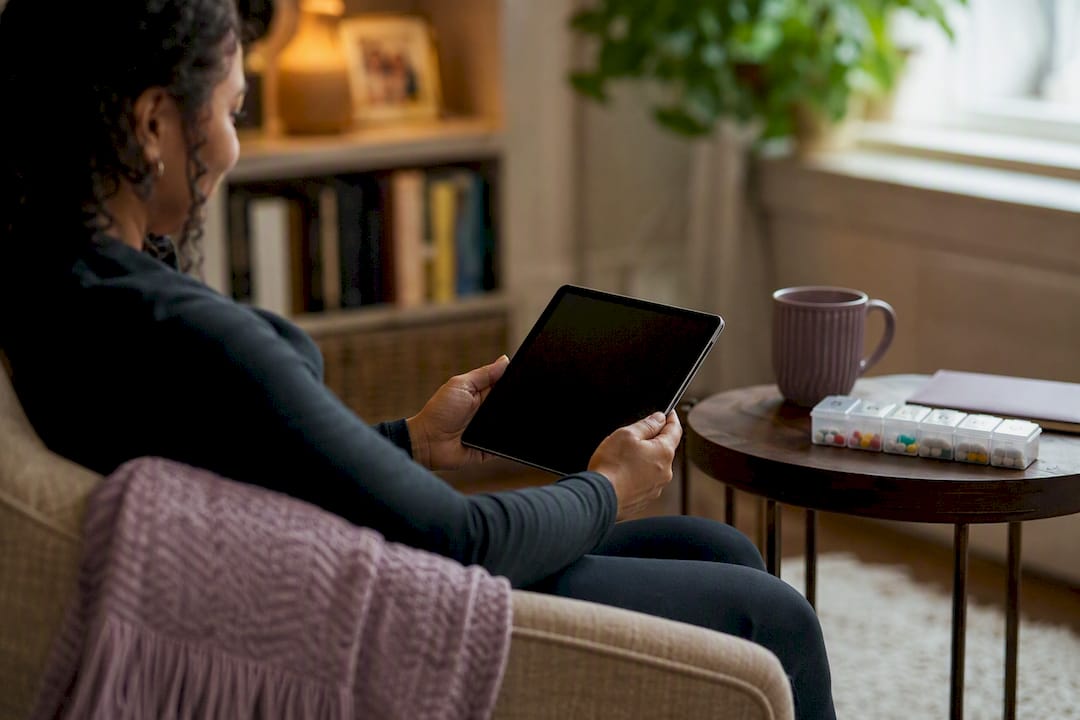
A caregiver communication log is a shared written record that tracks what happened during each caregiving shift, capturing tasks, medications, mood, and safety concerns so no detail falls through the cracks. Keeping one protects three things at once: continuity of care between shifts, a safety record if something goes wrong, and peace of mind for family members who can’t be there every day. Trusted templates from the National Institute on Aging and AARP, along with the standardized approach Helping-hands-home-care uses with its own caregivers, make building one straightforward.
TL;DR:
- Clearly define roles and responsibilities to prevent log ambiguity and ensure all caregivers record the same essential details during each shift.
- Use structured templates that include date, caregiver name, care tasks, medication details, health observations, incidents, and follow-up actions for consistency and clarity.
- Track participants, topics, outcomes, and owners of each entry to improve communication and facilitate efficient handoffs between caregivers.
- Choose a documentation format—paper, shared digital documents, or care apps—based on team size, familiarity with technology, and privacy requirements.
- Train caregivers to write objective facts rather than impressions and initiate a small pilot to refine the process before full implementation.
Table of Contents
- What Is a Caregiver Communication Log and When Should You Use One?
- Standard Fields Every Caregiver Communication Log Needs
- How Do You Roll Out a Communication Log With Multiple Caregivers?
- Which Format Works Best: Paper, Shared Docs, or an App?
- Where Can You Find Reliable Caregiver Log Templates?
- A Practical Rollout Plan for Getting Your Log Off the Ground
- Why We Push Every Caregiver to Use the Same Log Format
- How Helping-Hands-Home-Care Supports Your Caregiving Log
- Where to Find the Templates Mentioned in This Guide
- Sources
What Is a Caregiver Communication Log and When Should You Use One?
A caregiver communication log is a written or digital record of what happened during a shift of care, updated by whoever provided that care and read by whoever needs to know about it next. Its job is threefold: keep care consistent across shifts, create a paper trail if a health or safety issue needs to be traced later, and give family members who live far away or work full time a clear window into daily life.
Not every entry works the same way. Routine entries happen on a set schedule, usually once per shift, and cover the basics: meals, mobility, mood, medications. Event-driven entries happen the moment something unusual occurs, a fall, a medication refusal, a sudden change in behavior, and they get logged immediately rather than waiting for the next scheduled update.
Family caregivers tend to write more casually, often in a shared notebook or text thread. Professional caregivers, especially those working through an agency, follow stricter formats because their documentation may get reviewed by:
- A supervising nurse or care coordinator
- The client’s physician during appointments
- Family members auditing the quality of care
- Insurance or legal reviewers if a dispute arises
Standard Fields Every Caregiver Communication Log Needs
A log is only as useful as its structure. Vague notes like “had a good day” tell a family nothing actionable. A well-built template forces specifics, and it doesn’t need to be complicated to work.
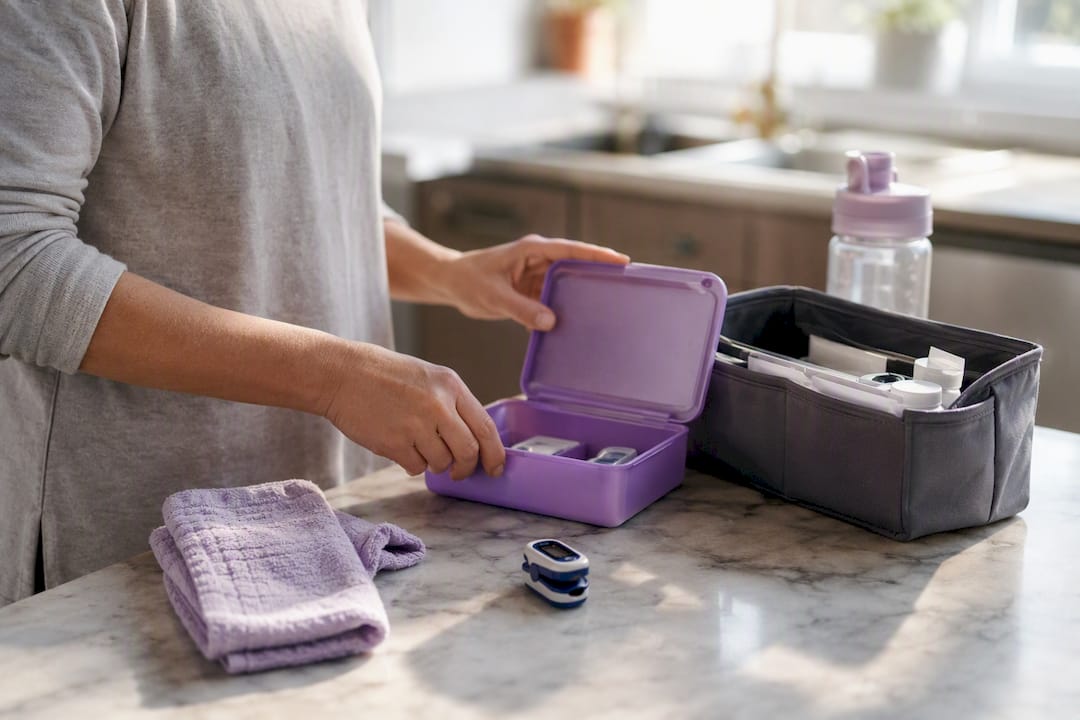
Start every entry with a header: date, time window, the caregiver’s name, their role, and who the Directly Responsible Individual (DRI) is for any follow-up. That last field matters more than it looks. Professional recordkeeping standards recommend timestamped daily logs paired with a medication administration record, because medication errors are one of the most common and most preventable risks in home care.
From there, the body of the entry should cover:
- Care tasks and ADLs: bathing, dressing, mobility assistance, meal prep
- Medication administration: what was given, at what time, and by whom (this is your MAR section)
- Health observations: appetite, sleep, pain, mood, and any changes from baseline
- Safety or incidents: falls, near misses, confusion, refusal of care
- Follow-up items: what needs attention next, and who owns it
Here’s what a real entry looks like when it’s done right: “3:00 to 7:00 p.m., Maria R., home health aide. Ate half of dinner at 5:30 p.m., no complaints of pain. Gave 10mg lisinopril at 6:00 p.m. per MAR. No falls or incidents. Follow-up: call pharmacy about refill, DRI: daughter Susan, due by Friday.”
Pro Tip: Train every caregiver to write facts, not impressions. “Ate half of breakfast at 9:15 a.m.” tells the next person something they can act on. “Didn’t eat well” doesn’t.
How Do You Roll Out a Communication Log With Multiple Caregivers?
Ambiguity kills a communication log faster than anything else. An entry that says “called family, discussed mom” tells the next reader nothing: who was on the call, what was discussed, what got decided, or who’s supposed to act on it. Care coordination practitioners call this “log ambiguity,” and the fix is always the same: every entry needs a participant, a topic, an outcome, and an owner.
Getting multiple people to log consistently takes structure. Here’s a rollout order that works:
- Assign roles first. Name a primary caregiver, a secondary or backup, and a communications lead who owns family updates. AARP’s caregiving guidance recommends splitting responsibilities into distinct lanes, Medical, Logistics, Finance/Legal, and Communications, with a named owner for each one to stop duplicated effort.
- Set your cadence. End-of-shift entries for routine care, immediate entries for anything event-driven, and a weekly summary the communications lead sends to the wider family.
- Verify every handoff. The incoming caregiver reads the last entry and confirms understanding before starting, out loud if possible, in writing if not.
Assigning a clear DRI on every follow-up item reduces duplicated effort and speeds up escalation when something actually needs attention. For tracking hours, the simplest method is logging start and end times directly in the header field of each entry, then totaling them weekly, no separate timesheet required.
Which Format Works Best: Paper, Shared Docs, or an App?
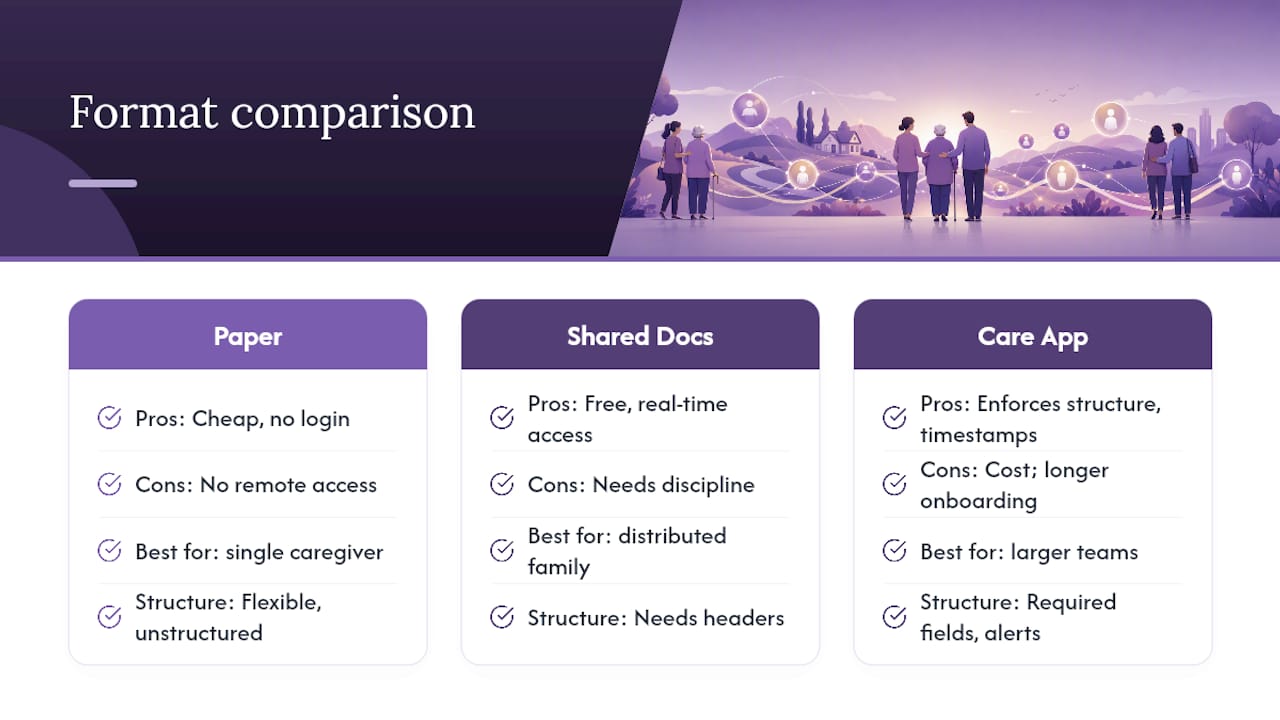
The right format depends less on technology preference and more on who’s using it and how often things change. Care coordination guidance is blunt about this: tools don’t fix family tension on their own. Families should agree on communication norms before picking a format, not after.
Paper notebooks work well for a single caregiver or a small family circle. They’re cheap, require no login, and feel natural to caregivers who aren’t comfortable with technology. The downside: no remote access, easy to lose, and no backup if the notebook gets damaged.
Shared Google Sheets or Docs give every family member real-time access from anywhere, and they’re free. The tradeoff is discipline. Without column headers enforcing structure, entries drift into vague notes fast, and version history can get messy with multiple editors.
Dedicated care apps add structure automatically, timestamps, required fields, alerts for missed entries, and built-in privacy controls. They cost more and take longer to onboard everyone, but they cut down on the log ambiguity problem almost entirely.
Choosing between them comes down to three questions: How many people need access? How comfortable is your caregiving team with technology? And does anyone in the mix need HIPAA-level privacy controls, which matters more once a professional agency gets involved?
Where Can You Find Reliable Caregiver Log Templates?
You don’t need to build a template from scratch. The National Institute on Aging offers free downloadable worksheets covering caregiving responsibilities, medication tracking, and home safety checklists, all built to print and adapt for daily use. AARP’s coordination guidance complements these by focusing on how to divide the work itself, not just document it.
For digital-first families, MySageBeam’s caregiver communication checklist turns a shift update into a repeatable format: who was present, what care was given, what changed, and what needs attention next. MangoApps offers a family communication log template built specifically for traceability, capturing the date, staff involved, a summary, an assigned follow-up, and a verification step, which makes it a strong model for event-driven entries like incident reports. BeTended’s family coordination resources round this out with guidance on keeping multiple family members aligned when no one lives in the same house.
Here’s how these map onto the type of entry you’re logging:
| Template Source | Best Used For |
|---|---|
| National Institute on Aging worksheets | Daily routine logs, medication tracking |
| MySageBeam checklist | Quick 3 to 5 line shift updates |
| MangoApps log template | Event-driven and incident entries |
Adapt any of these by adding a DRI field, a dedicated MAR row, and a signature or timestamp line, then keep the printable version somewhere every caregiver can reach it, a shared drive folder or a binder taped inside a kitchen cabinet works just as well as an app.
A Practical Rollout Plan for Getting Your Log Off the Ground
Start small. Helping-hands-home-care’s experience with new caregiver placements points to a two-week pilot with just one caregiver before expanding the log to a full team, which catches formatting problems before they become habits across everyone involved.
- Week one: One caregiver uses the narrow template, who, what, changed, next action, nothing more.
- Week two: Review entries together, fix unclear phrasing, confirm the DRI field is actually getting used.
- Week three onward: Roll the template out to the full caregiving team with the fixes applied.
A working shift update should read something like this: “2:00 to 6:00 p.m., James T. Blood pressure 128/82 at 3:00 p.m., normal range. Skipped afternoon walk due to rain, no other changes. Follow-up: reschedule physical therapy call, DRI: son Mark, due Tuesday.” Three lines, no adjectives without facts behind them.
Pro Tip: Preparing the home environment before a new caregiver’s first shift, clear walkways, labeled medications, a visible spot for the log itself, cuts down on the confused first entries that usually come from a caregiver who doesn’t know the household yet. Our home safety guide walks through that setup in more detail.
Why We Push Every Caregiver to Use the Same Log Format
Standardizing the communication log across every Helping-hands-home-care caregiver wasn’t a compliance decision, it was a response to what kept going wrong without one. Families told us the same three things, over and over: missed medications because the last shift didn’t note a dosage change, awkward handoffs where the new caregiver had to guess what happened, and family members who felt shut out of daily decisions. A consistent format fixed all three. Fewer missed doses, cleaner handoffs, and family members who trust the notes enough to actually read them instead of calling to double check.
— Michael
How Helping-Hands-Home-Care Supports Your Caregiving Log
If keeping a log consistent across shifts is starting to feel like a second job on top of caregiving itself, the fastest fix isn’t a better app, it’s caregivers who already know how to use one. Helping-hands-home-care trains every home health aide on standardized documentation from day one: MAR entries logged at the moment medication is given, incident reports written the moment something happens, and shift notes that follow the same three-to-five line structure every time, so families never have to decode a new caregiver’s shorthand.
Beyond direct care, Helping-hands-home-care’s house cleaning and massage therapy services coordinate through the same scheduling and documentation system, so a family managing multiple types of in-home support gets one consistent record instead of three disconnected ones. If your current log is full of gaps or your caregiving team keeps missing handoffs, request a care consultation through our home health aide page and we’ll walk through what a standardized log looks like for your specific situation.
Where to Find the Templates Mentioned in This Guide
- NIH/NIA caregiver worksheets, free printable templates for medications and daily tasks
- MySageBeam’s shift communication checklist
- MangoApps family communication log template
- How care worker profiles build trust, useful context for identifying caregivers clearly in your log
This article is general information, not a substitute for advice from a qualified doctor. Consult a qualified healthcare professional about your own circumstances before acting on anything here.
Sources
- Caregiver Worksheets | National Institute on Aging (NIH/NIA)
- MySageBeam — Caregiver communication checklist for home caregivers
- MangoApps — Family communication log template
- National Caregiver Authority — Caregiver documentation and recordkeeping best practices
Recommended
- How to Prepare Home for Caregiver: 2026 Safety Guide | Helping Hands Home Care
- Talking to Parents About Home Care: A Family Guide | Helping Hands Home Care
- Home Care Industry Best Practices for Quality and Compliance | Helping Hands Home Care
- The Best Home Care Blogs for Family Caregivers | Helping Hands Home Care