
How to Prepare Home for Caregiver: 2026 Safety Guide
How to Prepare Home for Caregiver: 2026 Safety Guide
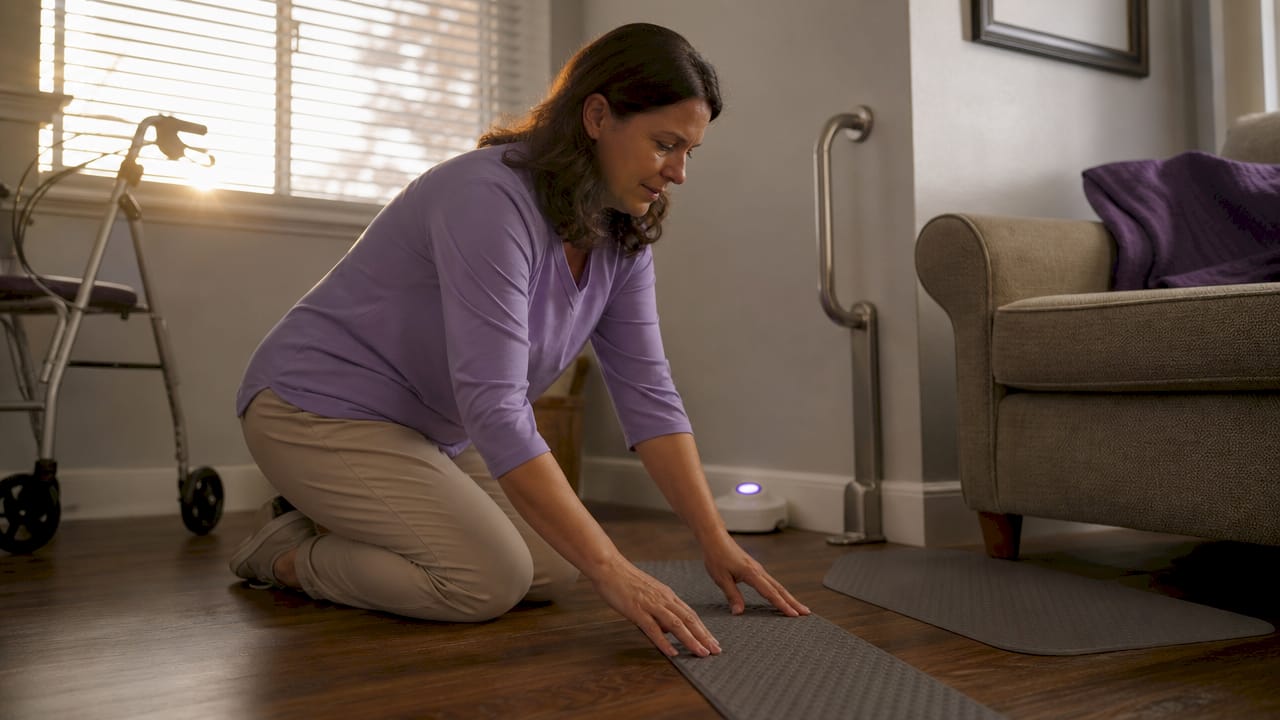
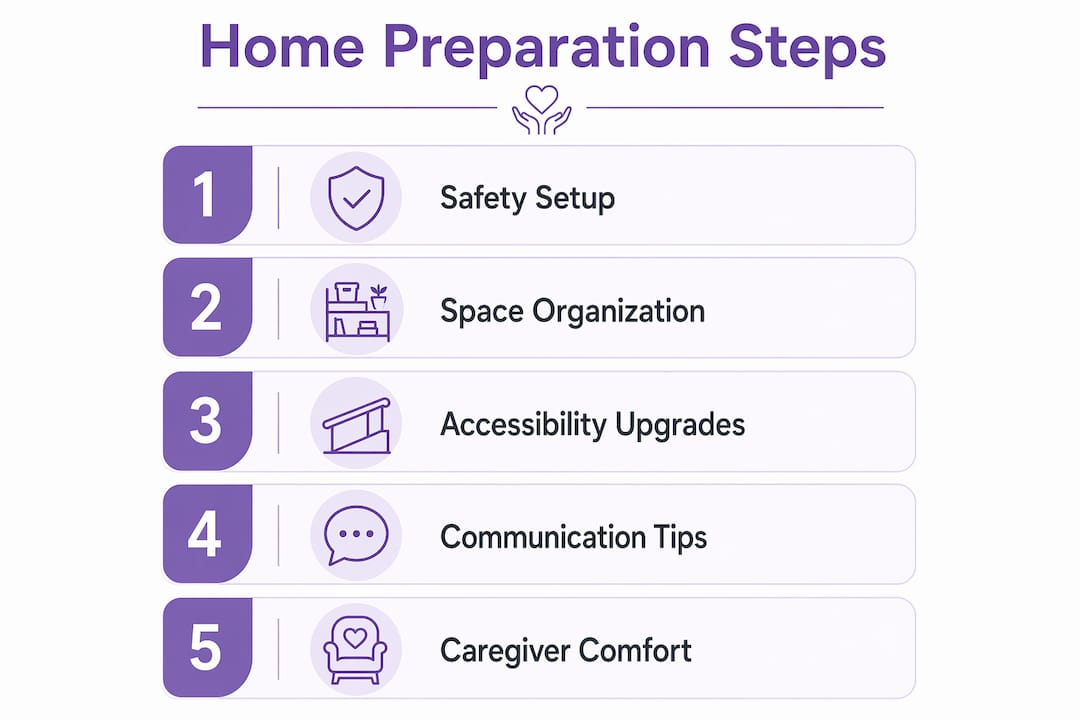
Preparing your home for a caregiver means creating a safe, accessible, and comfortable environment that supports effective care for your elderly relative. Home preparation for caregiving, the recognized practice of modifying a residence to meet the physical and logistical needs of both the care recipient and the caregiver, requires attention to safety, space, and communication. The U.S. Access Board’s 2026 accessibility standards set clear benchmarks families can use as a starting point. Getting this right from day one reduces fall risks, prevents caregiver burnout, and makes the entire care relationship work better for everyone involved.
What are the key safety modifications needed to prepare home for caregiver?
Safety modifications are the single most impactful step you can take before a caregiver arrives. Falls are the leading cause of injury among older adults, and the home environment is where most of them happen. A few targeted changes address the majority of risk.
Grab bars and non-slip surfaces are the foundation of a safe home for caregiver-assisted bathing and toileting. Installing grab bars near toilets and showers costs under $50 and takes about one hour per unit. That is one of the highest-value safety investments you can make per dollar spent.
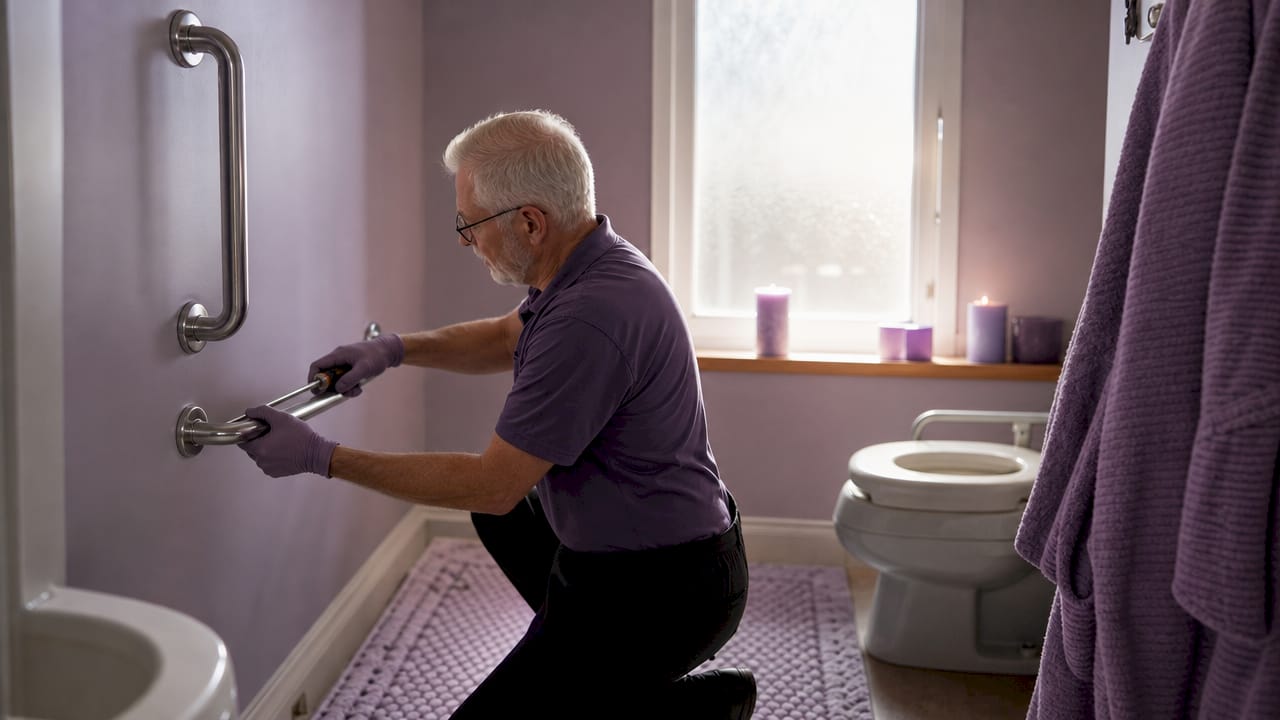
Motion-sensor lights reduce fall risk by improving visibility during nighttime movement in hallways and bathrooms. Fumbling for a light switch at 2 a.m. is a common precursor to a fall. Install them in every hallway, bathroom, and stairwell.
Here is a practical safety checklist for your walkthrough:
- Remove all loose rugs and floor clutter from main pathways
- Place non-slip mats at the bathroom entrance, inside the shower, and at the front door
- Check that all hallway and stairway lighting works and add motion sensors where needed
- Secure or remove electrical cords that cross walking paths
- Assess whether bed rails are appropriate for your relative’s cognitive status, since they can pose entrapment risks for people with cognitive decline
- Replace slipper socks with rubber-soled footwear throughout the home
- Add a bedside commode to reduce nighttime bathroom trips and fall risk
Pro Tip: Offset door hinges add 2 inches of clearance to any existing doorway for under $20. This avoids major construction and immediately improves access for walkers and wheelchairs.
A single fall can result in hospitalization, surgery, and a permanent decline in independence. The safety modifications above are not optional upgrades. They are the baseline for responsible home care.
How should you organize and allocate space for caregiver needs?
Space organization directly affects how well a caregiver can do their job. A cluttered, poorly arranged home forces workarounds that slow care delivery and increase physical strain on the caregiver.
Caregiver room preparation
The caregiver’s private room is the most important space to get right. A caregiver room should be quiet, private, and ideally have a lockable door. This allows the caregiver to fully rest when off duty, which directly improves the quality of care they provide when on duty.
Room size matters. A minimum of 8 x 10 feet with at least 3 feet of clearance on one long side of the bed is the standard for safe transfers and movement. Anything smaller creates physical obstacles during care tasks. Provide a dresser, closet space, and enough drawer storage for the caregiver’s personal belongings.
Organizing shared and care spaces
The table below shows how to prioritize space allocation across the home:
| Space | Key requirement | Why it matters |
|---|---|---|
| Caregiver bedroom | 8 x 10 ft minimum, lockable door | Rest and privacy improve retention and care quality |
| Care recipient’s bedroom | 3 ft clearance on bed transfer side | Safe transfers prevent caregiver and patient injury |
| Bathroom | Non-slip mat, grab bars, roll-in shower if possible | Reduces fall risk during assisted bathing |
| Main living area | Clear 36-inch pathways | Supports wheelchair and walker movement |
| Medication and supply station | Centralized, labeled, at counter height | Reduces errors and saves time during care tasks |
Ground-level electrical outlets matter more than most families realize. Caregivers use charging equipment, medical devices, and lighting tools at floor level. Check that outlets are accessible without bending or reaching behind furniture. Proximity of the care recipient’s bedroom to the bathroom is also worth evaluating. A main-floor bedroom adjacent to a full bathroom is the ideal setup for nighttime care.
Pro Tip: Before the caregiver arrives, walk the route from the bedroom to the bathroom at night with the lights off. Every obstacle you trip over is a hazard that needs to go.
What accessibility improvements can enhance the home setup for caregiving tasks?
Accessibility improvements go beyond safety. They determine whether a caregiver can physically perform their duties without strain or delay. The U.S. Access Board recommends a minimum 32-inch clear doorway width for wheelchair access, with 36 inches preferred for comfortable maneuverability.
Doorways should have at least 32 inches of clear width. Measure every doorway the care recipient will use regularly. If any fall short, offset hinges are the first fix to try before considering door widening.
Ramps at exterior entries are non-negotiable if the care recipient uses a wheelchair or walker. A standard exterior ramp slope follows the 1:12 ratio, meaning one inch of rise for every 12 inches of run. Interior thresholds between rooms should also be flush or ramped to prevent tripping.
Walls in older homes may not support grab bars without reinforcement. Verify stud placement and backing before installation. A grab bar that pulls out of drywall is more dangerous than no grab bar at all.
Dimmable or layered lighting balances relaxation and adequate visibility during treatments. Bright overhead light is useful for wound care or medication review. Softer ambient light supports rest and reduces agitation in people with dementia.
Pro Tip: Stand in the doorway and watch one care task from start to finish. The first physical obstacle the caregiver encounters is your highest-priority fix. This observation method identifies bottlenecks faster than any checklist.
What practical tips help communication and workflow between family and caregivers?
Clear communication systems prevent the most common sources of friction in home care arrangements. Most breakdowns happen not because of bad intentions but because expectations were never written down.
Start with a written care document. This single-page summary should cover the care recipient’s daily routine, medication schedule, dietary preferences, emergency contacts, and known triggers or sensitivities. Review it with the caregiver on day one and update it whenever something changes. Families who use professional care plan examples as templates report fewer miscommunications and faster caregiver onboarding.
Here is what the communication setup should include:
- A labeled medication station with clear instructions for each medication, including time, dose, and any food interactions
- A whiteboard or shared digital calendar showing the weekly schedule, appointments, and handoff times
- Clearly marked storage for care supplies so the caregiver never has to search for what they need
- Written house rules covering shared spaces, kitchen use, parking, laundry, and quiet hours
- A designated time each week for a brief check-in between the family and caregiver to address any concerns early
The shared spaces conversation is one families often skip. Ambiguity about whether the caregiver can use the living room, eat family meals, or have guests creates tension quickly. Settle these questions before the caregiver moves in, not after. Understanding the caregiver’s role clearly from the start helps both sides set realistic expectations.
Open communication also protects the care recipient. A caregiver who feels comfortable raising concerns will flag health changes early. One who feels unwelcome will stay quiet until a problem becomes a crisis.
Key Takeaways
Preparing your home for a caregiver requires safety modifications, accessible spaces, organized care systems, and clear communication to support effective, long-term care.
| Point | Details |
|---|---|
| Safety modifications first | Install grab bars, motion-sensor lights, and non-slip mats before the caregiver arrives. |
| Caregiver room standards | Provide a minimum 8 x 10 ft private room with 3 ft bed clearance and lockable storage. |
| Doorway accessibility | Measure all doorways and target 36 inches clear width; use offset hinges as a low-cost fix. |
| Written care document | Create a one-page summary of routines, medications, and house rules before day one. |
| Communication systems | Use a whiteboard or shared calendar for schedules and set a weekly check-in with the caregiver. |
What I’ve learned about home setup that most guides miss
Most home preparation guides focus entirely on the care recipient. That is understandable, but it misses half the picture. The caregiver’s comfort and privacy are just as important to long-term care quality as any grab bar or ramp.
I’ve seen families invest thousands in medical equipment and then put the caregiver in a windowless room with no storage. That caregiver is gone within three months. Turnover in home care is expensive and disruptive, and a poorly designed caregiver space is one of the most preventable causes of it. A private, quiet space with lockable storage lets a caregiver genuinely recharge between shifts. That rest translates directly into better attention, patience, and judgment during care hours.
The other thing families underestimate is the dignity dimension of safety features. Bed rails, for example, feel protective but can feel institutional and even frightening to someone with cognitive decline. The goal is a home that feels like a home, not a facility. Use safety features where the evidence supports them, and skip the ones that create more anxiety than protection.
Finally, do not wait for problems to surface before you talk to your caregiver. The families I’ve seen succeed long-term are the ones who treat the caregiver as a partner from day one. They ask for feedback on the home setup, they adjust when something isn’t working, and they say thank you. That culture of mutual respect is what makes home care sustainable.
— Michael
How Helping-hands-home-care supports your home care setup
Setting up a safe home is the foundation. Having the right professional support on top of that foundation is what makes care truly effective.

Helping-hands-home-care provides home health aid services designed to work within the home environment you’ve prepared. Their team brings the clinical knowledge and hands-on experience to complement your setup work. Helping-hands-home-care also offers professional house cleaning tailored to elderly care environments, keeping the home hygienic and safe between care visits. For families looking to support their relative’s physical wellbeing, massage therapy services are available as part of a broader care plan. Contact Helping-hands-home-care to discuss a personalized plan that fits your home and your family’s needs.
FAQ
What safety changes should I make first?
Install grab bars near the toilet and shower, add motion-sensor lights in hallways, and remove loose rugs. These three changes address the most common causes of falls in home care settings.
How big should a caregiver’s room be?
A caregiver room should be at least 8 x 10 feet with 3 feet of clearance on one side of the bed. This allows safe movement and transfers without strain.
What doorway width is needed for wheelchair access?
A minimum of 32 inches of clear doorway width is required for wheelchair access, with 36 inches preferred. Offset hinges can add 2 inches of clearance to an existing door for under $20.
Do bed rails make a home safer for elderly care?
Bed rails can pose entrapment risks for people with cognitive decline. Assess the care recipient’s specific needs carefully and consult a professional before installing them.
How do I organize medications and care supplies?
Set up a centralized, labeled station at counter height with clear instructions for each medication. A dedicated spot reduces errors and saves time during every care shift.
Recommended
- Home Care Services for Seniors: A Family Guide | Helping Hands Home Care
- In-Home Cleaning Benefits for Elderly: 2026 Guide | Helping Hands Home Care
- How to Hire an In-Home Caregiver Step by Step | Helping Hands Home Care
- The Role of Home Caregiver: Responsibilities and Support | Helping Hands Home Care