
The Best Home Care Blogs for Family Caregivers
The Best Home Care Blogs for Family Caregivers

The most trustworthy home care blog resources for family caregivers are, in order: AARP, Mayo Clinic, Alzheimer’s Association, Right at Home, Senior Helpers, Accessible Home Healthcare (AHHC), and Eldercare Locator — plus Helping-hands-home-care for metro Detroit families who need local, hands-on guidance.
Here is where to start and how to follow each:
- AARP (aarp.org/caregiving): Covers legal planning, financial guidance, and daily caregiving logistics. Subscribe via the AARP Caregiver newsletter or follow on Facebook.
- Mayo Clinic (mayoclinic.org): Best for clinical guidance on medications, chronic conditions, and caregiver stress. Set up a Mayo Clinic Health Letter subscription or bookmark their Healthy Lifestyle section.
- Alzheimer’s Association (alz.org): The go-to for dementia-specific caregiving, including a 24/7 helpline and caregiver stress resources. Subscribe to their e-newsletter.
- Right at Home (Senior Home Care Blog): Practical how-tos on daily care tasks, safety, and family communication. Follow via RSS or their email list.
- Senior Helpers (Senior Care, Only Better Blog): Covers aging-in-place, memory care, and caregiver tips. Available via their site’s blog subscription.
- Accessible Home Healthcare (AHHC Blog): Focuses on home health nursing, therapy, and post-hospital care. Follow on social or subscribe to their updates.
- Eldercare Locator (eldercare.acl.gov): Not a blog, but the federal gateway to local services. Bookmark it and call 1-800-677-1116 to find your Area Agency on Aging.
- Helping-hands-home-care (helping-hands-home-care.com): Local elder care articles, care plan examples, and practical guides for metro Detroit families. Subscribe to the blog for updates on local services.
Pro Tip: Set up a free Google Alert for “senior care [your city]” alongside these subscriptions so local news and new resources surface automatically.
Key Takeaways
The most effective caregiving approach combines trusted national health resources with local, hands-on support from a provider who knows your community and can act on the guidance those resources provide.
| Point | Details |
|---|---|
| Start with national organizations | AARP, Mayo Clinic, and the Alzheimer’s Association are the most credible starting points for evidence-based senior care advice. |
| Vet every blog before acting | Check for named credentials, primary-source citations, and a recent update date before following any home health tip. |
| Apply the five-habit checklist | Stanford Medicine’s framework (strength, balance, nutrition, social engagement, preventive care) gives caregivers a concrete weekly structure. |
| Use Eldercare Locator for local help | Call 1-800-677-1116 or visit eldercare.acl.gov to find your Area Agency on Aging and local respite options. |
| Plan legally before a crisis | Appointing a health care proxy and power of attorney early avoids court intervention and protects the whole family. |
Table of Contents
- What you’ll find on a reputable home care blog
- Which blogs to read for your specific caregiving need
- How to tell whether a home care blog is actually trustworthy
- Five evidence-based habits every caregiver should know
- How to find local services, respite care, and nearby resources
- What Helping-hands-home-care recommends in practice
- Sources
What you’ll find on a reputable home care blog
Good elder care blogs do more than post generic advice. The best ones publish content you can act on the same day you read it. Here is what to look for:
Core content categories:
- Care task guides (bathing, medication management, mobility assistance, meal prep)
- Medical guidance translated for non-clinical readers (what a diagnosis means day-to-day)
- Dementia and memory care strategies
- Caregiver mental health and burnout prevention
- Home safety and aging-in-place modifications
- Legal and financial planning (power of attorney, Medicare, Medicaid)
- Local resource directories and referral guides
Post formats that signal quality:
- Step-by-step how-to guides with numbered checklists
- Downloadable PDFs or printable care logs
- Expert interviews with licensed social workers, nurses, or geriatric specialists
- Posts that link to primary sources like NIH, CDC, or Mayo Clinic
How to use posts practically: Save checklists to a shared folder your whole family can access. Filter by topic category rather than reading chronologically. Always check the author’s credentials and whether the post cites a primary source. A post that references AARP’s solo aging guidance or NIH research carries more weight than one that does not.
Which blogs to read for your specific caregiving need
Not every caregiver needs the same content. Here is how to match your situation to the right resource type.
Dementia and memory care: The Alzheimer’s Association blog and resource hub is the most authoritative source. Expect posts on behavioral changes, communication strategies, and caregiver stress checks. The Association offers free educational programs and a caregiver stress assessment tool. Sample topics: sundowning management, medication safety for dementia patients, and how to talk to a parent who no longer recognizes you.
Caregiver stress and burnout: Mayo Clinic recommends self-care, asking for help, respite care, and support groups as the core strategies. The Cleveland Clinic’s caregiver burnout overview adds symptom checklists and recovery pathways. Sample topics: recognizing early burnout, setting boundaries, finding respite options.
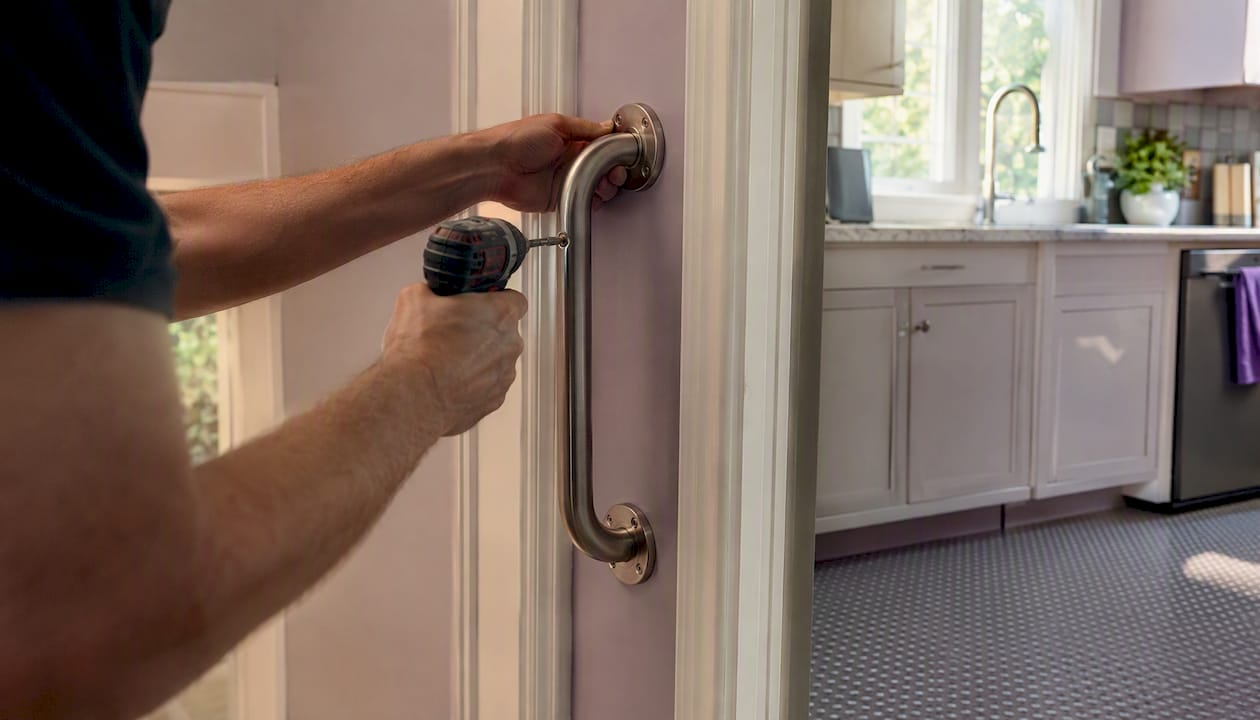
Aging-in-place and home safety: Medical News Today’s aging-in-place guide is a strong starting point. Only a minority of U.S. homes are currently “aging-ready,” which means most families need to plan modifications before a crisis forces the issue. Small changes, grab bars, improved lighting, and non-slip surfaces, often delay institutional care and reduce long-term costs. Helping-hands-home-care’s guide on how to prepare a home for a caregiver covers the practical checklist.
Clinical and medical guidance: Mayo Clinic and the NIH’s National Institute on Aging (NIA) are the gold standard. Use these for medication interactions, chronic disease management, and understanding a new diagnosis.
Local service hubs: Eldercare Locator and your local Area Agency on Aging connect you to in-home services, transportation, meal programs, and respite care. For metro Detroit families, Helping-hands-home-care covers home care services for seniors including companion care, personal care, and skilled home health.
| Resource type | Best for | Sample topics | Trust signals |
|---|---|---|---|
| National health organization | Medical guidance, legal planning | Medication safety, POA, Medicare | MD/RN authors, NIH/CDC citations |
| Dementia-focused nonprofit | Memory care, caregiver stress | Behavioral changes, respite programs | 24/7 helpline, free programs |
| Research hospital blog | Clinical how-tos, chronic disease | Diagnosis management, fall prevention | Credentialed authors, peer-reviewed links |
| Local home care provider blog | Practical daily care, local resources | Care plan examples, payment options | Local contact info, licensed staff |
| Federal resource hub | Local service search | Area Agency on Aging, Medicaid | Government (.gov) domain |
How to tell whether a home care blog is actually trustworthy
Speed-reading a post is easy. Knowing whether to trust it takes thirty seconds more. Run this checklist before you act on any advice:
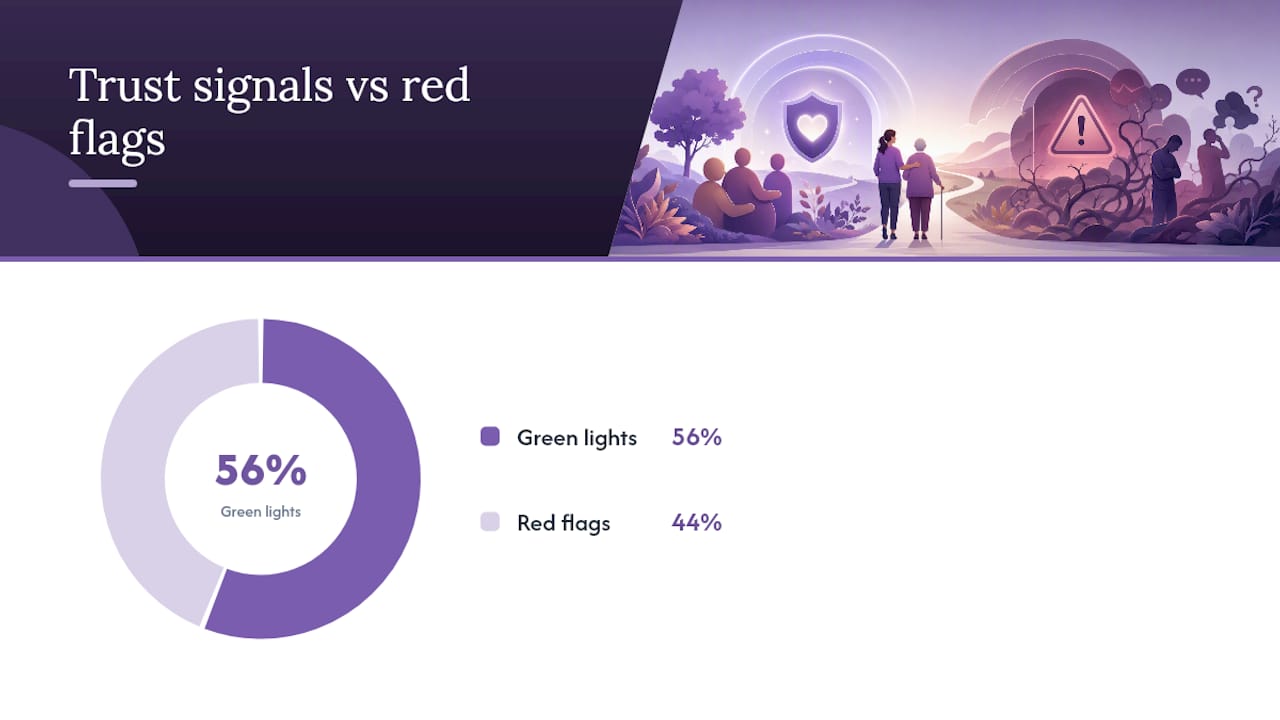
Green lights:
- Named author with listed credentials (RN, MSW, MD, certified senior care specialist)
- Citations to primary sources: AARP, NIA/NIH, CDC, Mayo Clinic, or peer-reviewed journals
- Post date visible and updated within the past 12–18 months
- Transparent editorial process or medical review noted
- Local provider sites list a physical address and phone number
Red flags:
- Medical claims with no sources or vague references to “studies”
- Unnamed authors or generic “staff writer” with no credentials listed
- Heavy sales language before any practical content
- Evidence locked behind a paywall with no summary available
Why does this matter beyond just good hygiene? Outdated or unsourced home health tips can lead to real safety errors, missed medication interactions, or delayed care decisions. The Office on Women’s Health notes that caregiver stress compounds when caregivers feel unsupported or misinformed, which makes reliable information a protective factor, not just a nice-to-have.
Pro Tip: Before bookmarking any new home health care blog, Google the author’s name plus their credential. A licensed professional with a verifiable background is the fastest trust signal available.
Five evidence-based habits every caregiver should know
The most effective caregiving plan addresses the older adult’s physical, cognitive, and social needs together. Stanford Medicine clinicians recommend five habits as central to preserving independence for people in their 60s and 70s. Here is how to apply each one at home:
- Strength and power training: Resistance exercises two or more days per week, using resistance bands, light weights, or bodyweight movements. NHS guidance recommends strength and balance activities at least twice weekly for older adults. At home: chair squats, wall push-ups, and resistance band rows are low-barrier starting points.
- Balance and gait training: Single-leg stands, heel-to-toe walking, and tai chi reduce fall risk. Falls are the leading cause of injury-related death among older Americans, which makes balance work one of the highest-ROI habits a caregiver can build into a weekly routine.
- Optimized nutrition: Protein needs increase after 70. WebMD’s guidance on nutrition after 70 recommends strength and balance work alongside dietary adjustments to preserve muscle and cognitive function. Practical steps: add a protein source to every meal, limit ultra-processed foods, and stay hydrated.
- Cognitive and social engagement: Regular conversation, puzzles, reading, and community participation all support brain health. The Alzheimer’s Association links sustained social engagement to reduced dementia risk and better caregiver outcomes.
- Preventive care and monitoring: A yearly Medicare wellness visit creates a personalized prevention plan at no cost when the provider accepts Medicare. Track blood pressure, medications, and any new symptoms in a shared care log.
Falls are the leading cause of injury-related death among older Americans. Building balance training into a twice-weekly routine is one of the most direct steps a caregiver can take to reduce that risk.
Pro Tip: Block one 30-minute slot per week, the same day and time each week, dedicated to one of these five habits. Consistency beats intensity for older adults.
How to find local services, respite care, and nearby resources
National blogs give you the framework. Local services give you the actual help. Here is how to move from reading to acting:
- Start with the Eldercare Locator. Visit eldercare.acl.gov or call 1-800-677-1116. Enter your ZIP code to find your local Area Agency on Aging, which coordinates in-home services, meal delivery, transportation, and respite programs.
- Search local hospital and university geriatric programs. Many research hospitals run geriatric care management clinics that offer assessments and referrals. Search “[your city] geriatric care management” to find them.
- Call your local aging services office. Ask specifically about respite care availability, Medicaid waiver programs in your state, and any sliding-scale home care options.
- Contact Helping-hands-home-care for metro Detroit options. Helping-hands-home-care provides home health aide services, house cleaning, meal preparation, and therapeutic massage for elderly clients in the metro Detroit area.
- Subscribe to local agency newsletters and set a Google Alert for “home care [your city]” to catch new programs and funding announcements.
On payment: Medicare covers skilled home health services when a doctor orders them and the agency is Medicare-certified. Medicaid coverage varies by state and income. For a detailed breakdown of what applies in Michigan, Helping-hands-home-care’s guide on home care payment options covers the main pathways, including financial assistance options for families who need help covering costs.
AARP’s guidance on solo aging and legal planning is worth reading before you contact any local service. Appointing a health care proxy and power of attorney before a crisis hits avoids court-appointed guardianship and keeps decision-making in the family. Michigan-specific POA guidance is available through Helping-hands-home-care’s Michigan power of attorney guide.
What Helping-hands-home-care recommends in practice
Most families come to us after reading a national blog and realizing the advice is solid but the execution is local. The Stanford five-habit framework is excellent. So is the Mayo Clinic’s guidance on caregiver stress. What those sources cannot do is show up at a home in Dearborn or Livonia on a Tuesday morning.
At Helping-hands-home-care, we use the same evidence base, the five habits, the credibility checklist, the caregiver stress indicators, when we build care plans with families. We pair that with direct observation: what does the home actually look like, what can the client do independently, and where does the family need relief? That combination of national evidence and local presence is what makes a care plan work in practice rather than just on paper.
If you want to see what a real care plan looks like before committing to anything, Helping-hands-home-care’s professional care plan examples are a useful starting point. And if you are ready to talk about local options, our full services page covers everything we offer, from home health aides to in-home cleaning and therapeutic massage.
Sources
These are the primary sources referenced throughout this article. Each one serves a different function in a complete caregiving plan:
- Solo aging: plan ahead for your future | AARP
- Five healthy habits for successfully aging in our 60s and 70s — and beyond | Stanford Medicine
- Caregiver stress: Tips for taking care of yourself | Mayo Clinic
- Caregiver Stress | Alzheimer’s Association
- Physical activity guidelines for older adults - NHS
- Aging in place: Suitability, benefits, and risks | Medical News Today
Use these alongside Helping-hands-home-care’s local blog content to build a caregiving plan that is both evidence-based and grounded in what is actually available near you.
This article is general information, not a substitute for advice from a qualified doctor. Consult a qualified healthcare professional about your own circumstances before acting on anything here.
Recommended
- Home Care Services for Seniors: A Family Guide | Helping Hands Home Care
- How to Prepare Home for Caregiver: 2026 Safety Guide | Helping Hands Home Care
- Talking to Parents About Home Care: A Family Guide | Helping Hands Home Care
- How to Choose the Right Home Care Agency for Your Family | Helping Hands Home Care