
Chronic Illness Home Care: A Family Caregiver's Guide
Chronic Illness Home Care: A Family Caregiver’s Guide
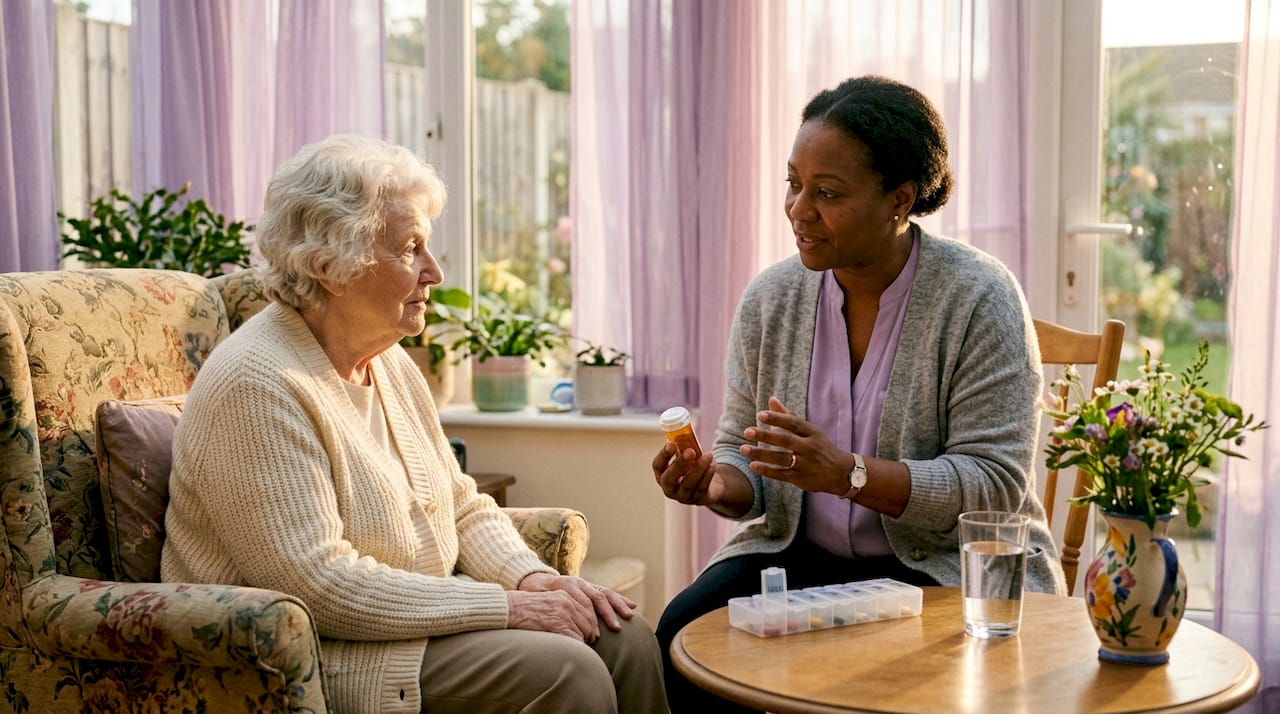
Chronic illness home care is defined as ongoing professional support delivered inside a private residence for conditions lasting 12 months or more that require continuous medical attention or limit daily activities. The industry term for this service category is “home health care,” though families more commonly search for it by condition. Unlike short-term recovery care after surgery, chronic illness home care addresses permanent or progressive conditions such as heart failure, COPD, diabetes, and Parkinson’s disease. Helping-hands-home-care provides this type of support to elderly adults, combining skilled health aide services with daily living assistance to maintain stability and quality of life at home.
What is chronic illness home care and what does it include?
Chronic illness home care covers two distinct service tracks, and understanding both helps families build the right plan. The first track is non-medical personal assistance: bathing, dressing, meal preparation, medication reminders, and transportation to appointments. The second track is physician-directed skilled home health care involving licensed nurses, physical therapists, occupational therapists, and speech-language pathologists.
These two tracks often run in parallel. A person managing COPD may need a home health aide for daily personal care and a respiratory therapist for breathing exercises three times a week. The care team also typically includes a social worker who addresses housing stability, food access, and transportation, since integrating social determinants of health is critical for effective chronic illness management.
Care plans in this setting are not static documents. Dynamic, maintenance-oriented care plans undergo periodic reassessment every few months to reflect changes in the patient’s physical and cognitive status. A plan written in january may look very different by june if a condition progresses or a new diagnosis emerges.
Key services typically included in chronic illness home care:
- Personal care: bathing, grooming, dressing, and toileting assistance
- Medication management: reminders, administration support, and refill coordination
- Skilled nursing: wound care, injections, IV therapy, and vital sign monitoring
- Therapy services: physical, occupational, and speech therapy in the home
- Remote monitoring: wearable devices and telehealth check-ins between visits
- Family caregiver training: teaching techniques for safe transfers, fall prevention, and symptom recognition
Pro Tip: Ask the care coordinator to schedule a formal reassessment every 60–90 days. Conditions change faster than most families expect, and an outdated care plan creates gaps that lead to avoidable hospitalizations.
How does home care benefit patients with chronic conditions?
Home care for chronic conditions produces measurable improvements across physical, psychological, social, and environmental quality of life domains. That finding matters because chronic illness rarely affects just one dimension of a person’s life. Pain, isolation, financial stress, and loss of independence compound each other, and home care addresses all four at once.
The psychological benefit of staying in a familiar environment is significant and often underestimated. Patients who receive care at home report lower rates of depression and anxiety compared to those in institutional settings. The ability to sleep in their own bed, eat preferred foods, and maintain social routines preserves dignity in ways that facility-based care cannot replicate.
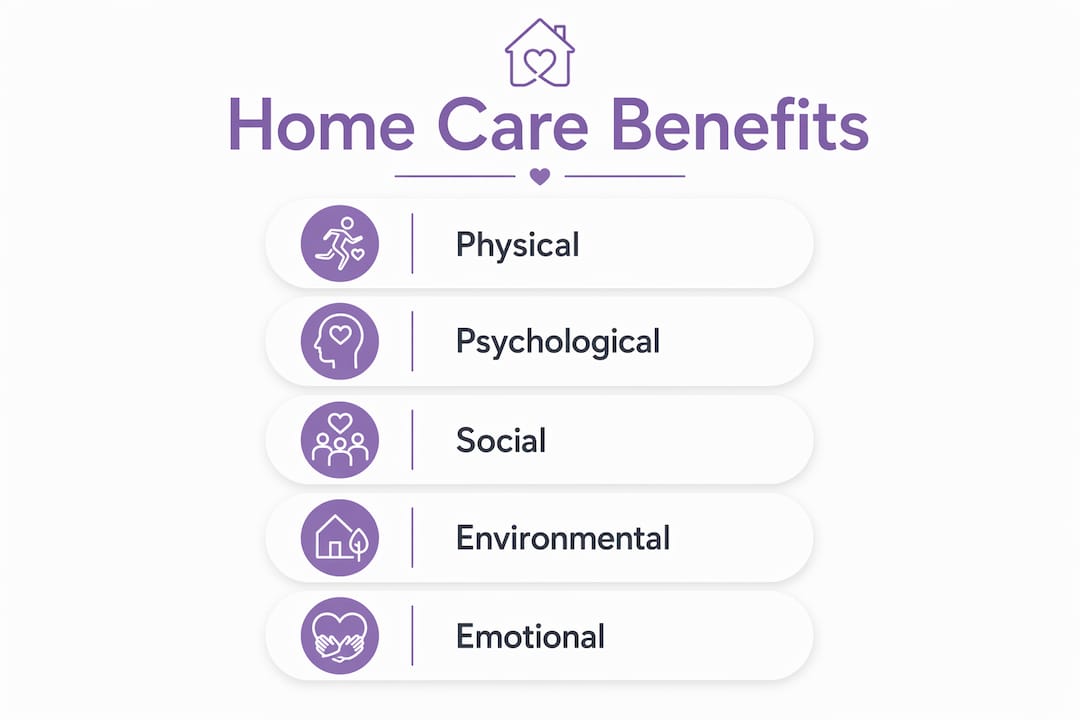
Older adults strongly prefer aging in place with community-based support, and structured home care programs make that preference sustainable rather than risky. Families who worry that staying home is unsafe often find that a well-designed care plan with fall prevention measures and regular nursing check-ins is safer than a nursing facility for patients with stable chronic conditions.
The financial case is also clear. Home care costs significantly less than inpatient or residential facility care for patients who do not require 24-hour skilled nursing. Reduced hospital readmissions alone generate substantial savings for families and the broader health system.
Core benefits of chronic illness home care at a glance:
- Slows functional decline by maintaining daily activity routines
- Reduces preventable emergency room visits and hospital stays
- Supports independence and self-management skills
- Lowers caregiver burden through professional backup and respite
- Improves medication adherence through consistent oversight
- Preserves social connections and mental health
What multidisciplinary approaches make chronic illness home care work?
The most effective chronic illness home care programs use a coordinated team model rather than a single provider working in isolation. Nurses, aides, therapists, and social workers each hold a distinct role, but they share information and adjust the care plan together. This model, supported by geriatric clinical research on home care teams, prevents the fragmentation that causes patients to fall through the cracks between appointments.
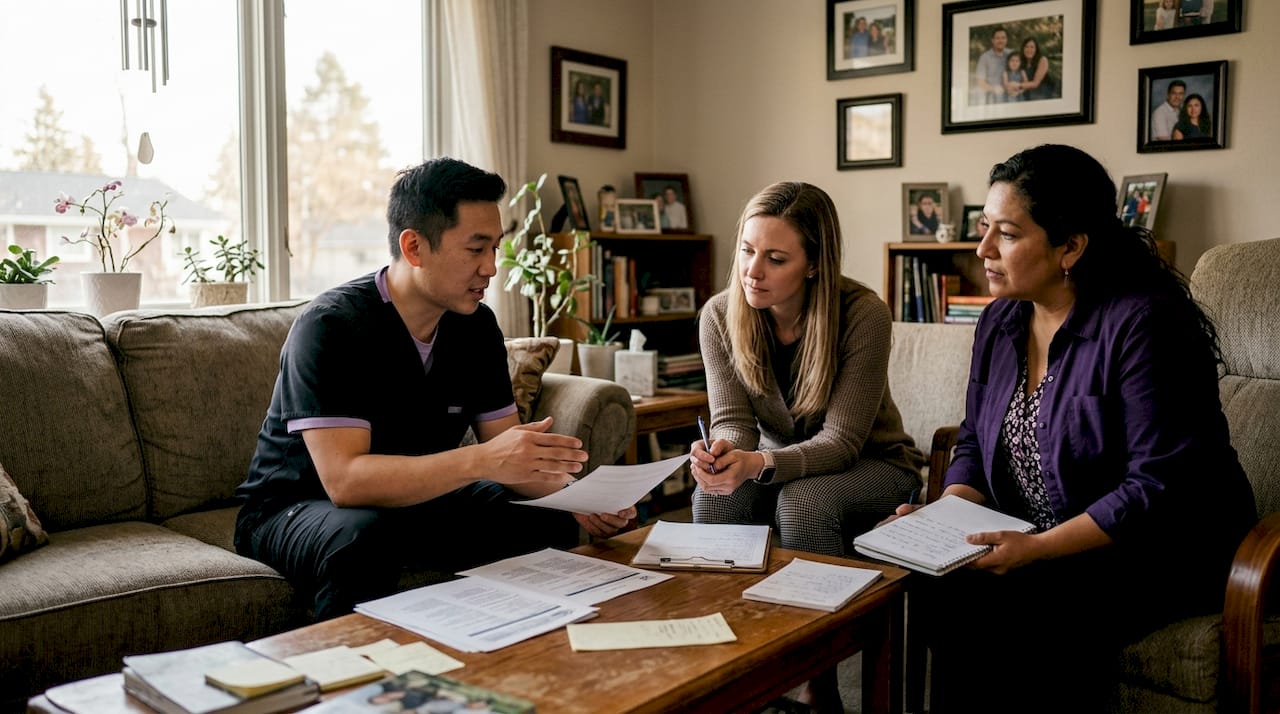
Coordination with the primary care physician is the anchor of this model. The home care team communicates changes in vital signs, functional status, or behavior directly to the physician, who adjusts medications or orders additional services. Without that communication loop, home care becomes reactive rather than preventive.
| Care team member | Primary role | Coordination focus |
|---|---|---|
| Registered nurse | Clinical assessment and skilled procedures | Reports changes to physician; updates care plan |
| Home health aide | Personal care and daily living support | Observes and reports functional changes |
| Physical therapist | Mobility, strength, and fall prevention | Aligns goals with nursing and physician orders |
| Social worker | Community resources and psychosocial support | Addresses food, housing, and transportation gaps |
| Family caregiver | Daily oversight and emotional support | Trained by clinical team; central to continuity |
Proactive symptom monitoring is what separates good home care from reactive crisis management. Remote monitoring tools, such as blood pressure cuffs that transmit readings to a care dashboard, allow nurses to catch deterioration before it becomes an emergency. Continuity of care across settings reduces decline and avoids premature facility placement, which is the outcome most families are trying to prevent.
Pro Tip: Request a weekly written summary from the lead nurse or care coordinator. A one-page update covering vitals, mood, and any concerns gives you a paper trail and keeps everyone accountable.
How can family caregivers manage chronic illness home care effectively?
Family caregivers are not bystanders in chronic illness home care. Dyadic illness management theory treats the patient and their primary informal caregiver as a single unit. Interventions designed for both people together produce better physical and psychological outcomes than those focused on the patient alone.
That finding has real implications for how families should approach care planning. If you are an adult child managing a parent’s care, your own stress levels, knowledge gaps, and emotional state directly affect the quality of care your parent receives. Caregiver burnout is not a personal failure. It is a clinical risk factor.
A practical approach to caregiver involvement follows these steps:
- Get trained by the clinical team. Ask the home health nurse to teach you safe transfer techniques, fall prevention strategies, and early warning signs specific to your parent’s condition.
- Build a backup plan. Identify at least one other family member or trusted neighbor who can step in during emergencies. A single point of failure in a care network is a serious risk.
- Schedule regular check-ins with the care coordinator. Monthly calls keep you informed and give you a channel to raise concerns before they escalate.
- Use respite care. Short-term professional coverage gives you time to recover. Caregiver fatigue accumulates faster than most people realize.
- Document everything. Keep a simple log of symptoms, behaviors, and medication changes. This record becomes invaluable during physician appointments and care plan reviews.
The role of a home caregiver extends beyond physical tasks. Emotional presence, advocacy during medical appointments, and consistent observation of subtle changes are contributions that no professional can fully replicate.
Pro Tip: Join a condition-specific caregiver support group, either locally or online. Caregivers who share strategies with peers report lower burnout rates and make better care decisions. The American Caregiver Association maintains a directory of support resources.
Key Takeaways
Chronic illness home care is most effective when it combines skilled clinical services, personal support, and active family caregiver involvement within a coordinated, regularly updated care plan.
| Point | Details |
|---|---|
| Two service tracks | Non-medical personal assistance and physician-directed skilled nursing each address different needs. |
| Dynamic care plans | Reassess the care plan every 60–90 days to reflect changes in the patient’s condition. |
| Multidisciplinary teams | Nurses, aides, therapists, and social workers must share information and coordinate with the primary physician. |
| Dyadic approach | Treating the patient and family caregiver as a unit produces better outcomes than focusing on the patient alone. |
| Home care reduces costs | Structured home care lowers hospital readmissions and costs significantly less than residential facility care. |
What I’ve learned about chronic illness home care that most guides miss
After years of working in and around home care for elderly adults, the pattern I see most often is this: families build a care plan at the point of crisis and then treat it as finished. They hire an aide, set a schedule, and assume the work is done. Six months later, the patient’s condition has changed, the aide is doing tasks that no longer fit, and the family is scrambling again.
The care plan is not a destination. It is a process. The families who get the best outcomes are the ones who treat reassessment as a routine, not a response to a problem. They schedule it in advance, they involve the clinical team, and they update the plan before the gaps become emergencies.
The second thing most guides miss is the caregiver’s own health. I have watched dedicated adult children develop serious anxiety and physical exhaustion while managing a parent’s care. The research on dyadic illness management confirms what I have observed directly: when the caregiver struggles, the patient suffers. Investing in caregiver support is not a luxury. It is part of the care plan.
The good news is that home care, done well, genuinely works. Patients stay home longer, maintain more independence, and report higher satisfaction than those who move to facilities prematurely. The key is building a team that communicates, a plan that evolves, and a caregiver who is supported rather than isolated.
— Michael
How Helping-hands-home-care supports chronic illness home care
Helping-hands-home-care provides skilled home health aide services tailored to elderly adults managing long-term conditions. Trained aides assist with personal care, medication reminders, meal preparation, and daily activity support, working alongside clinical providers to keep care plans on track.
Beyond direct health aide support, Helping-hands-home-care also offers house cleaning services and massage therapy to support overall wellbeing at home. A clean, safe environment reduces fall risk and infection exposure, while therapeutic massage addresses pain and stress that chronic conditions often bring. Families managing care for a parent or loved one can contact Helping-hands-home-care to discuss which combination of services fits their specific situation.
FAQ
What is chronic illness home care?
Chronic illness home care is ongoing professional support delivered in a patient’s home for conditions lasting 12 months or more. It combines personal assistance and skilled clinical services to maintain stability and quality of life.
How is home health care different from personal care?
Home health care involves physician-directed skilled services such as nursing and therapy, while personal care covers non-medical tasks like bathing and meal preparation. Many chronic illness care plans include both types simultaneously.
Does Medicare cover chronic illness home care?
Medicare covers skilled home care for eligible homebound patients when medically necessary. Custodial or personal care without a skilled nursing component is generally covered by Medicaid or paid privately.
How often should a chronic illness care plan be updated?
Care plans should be formally reassessed every 60–90 days, or sooner if the patient’s condition changes significantly. Static plans that are not updated create care gaps that lead to avoidable hospitalizations.
What role does a family caregiver play in home care?
Family caregivers function as a core part of the care team, providing daily oversight, emotional support, and symptom observation between professional visits. Research on dyadic illness management shows that training and supporting caregivers directly improves patient outcomes.
Recommended
- Talking to Parents About Home Care: A Family Guide | Helping Hands Home Care
- Home Care Services for Seniors: A Family Guide | Helping Hands Home Care
- The Role of Home Caregiver: Responsibilities and Support | Helping Hands Home Care
- Signs You Need Home Care: A Family Caregiver Guide | Helping Hands Home Care