
Signs You Need Home Care: A Family Caregiver Guide
Signs You Need Home Care: A Family Caregiver Guide
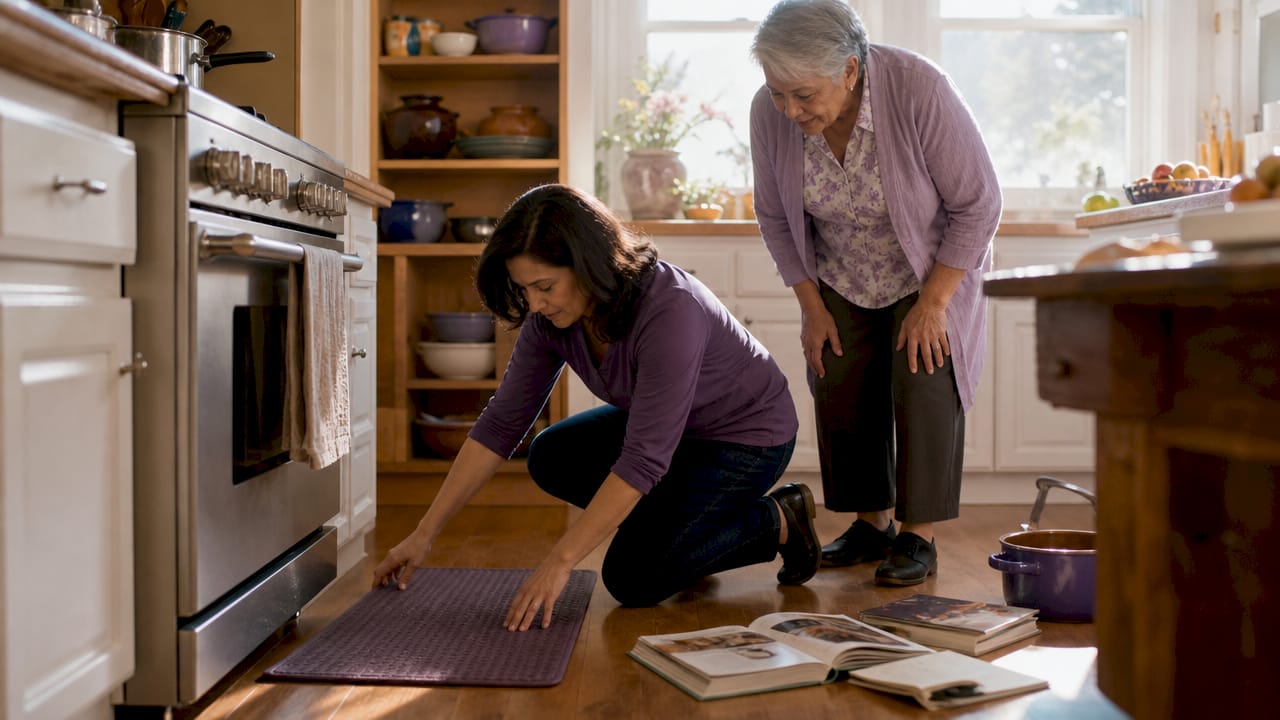
Recognizing the signs you need home care is the first step toward protecting an elderly loved one’s safety and quality of life. Home care, formally called personal care assistance or in-home support services, covers everything from help with bathing and meals to medication reminders and light housekeeping. The National Institute on Aging identifies clusters of symptoms, such as frequent falls combined with cognitive changes, as the clearest early warnings that professional support is needed. Waiting for a crisis to act costs more, medically and emotionally, than acting on early indicators. This guide gives you the specific signs to watch for and what to do next.
1. Signs you need home care: daily living challenges
The clearest indicators for home care appear in activities of daily living, known as ADLs. These are the basic tasks a person must complete to care for themselves each day.
Watch for these specific ADL declines:
- Unwashed hair, body odor, or wearing the same clothes for days
- Burned pots, empty refrigerators, or expired food left out
- Inability to button clothing, tie shoes, or manage zippers
- Skipping showers or baths for a week or more
- Leaving the stove on or forgetting meals entirely
Gradual decline is the tricky part. A loved one may compensate quietly for months, hiding difficulties until the situation becomes unsafe. Early intervention consistently produces better outcomes than waiting for a fall or hospitalization to force the issue.
Pro Tip: Visit at different times of day. A morning visit reveals whether your loved one can manage their morning routine independently. An evening visit shows whether they can prepare dinner safely.

2. Environmental and behavioral clues that signal decline
Home environment observation is one of the most reliable ways to assess true functional status. Elderly people often mask difficulties when asked directly, so what you see in their home tells a more honest story than what they say.
Look for these environmental and behavioral warning signs:
- Stacks of unopened mail or unpaid bills piling up on the counter
- Spoiled food in the refrigerator or pantry
- Cluttered hallways, unwashed dishes, or a noticeably dirtier home than usual
- Withdrawal from social activities, phone calls, or hobbies they previously enjoyed
- Unusual irritability, sadness, or flat affect during visits
Geriatric experts recommend indirect observation rather than relying on self-reports. An elder who says “I’m fine” may have a kitchen full of evidence to the contrary. These environmental cues, especially when they cluster together, signal sustained functional decline rather than a single bad day.
Pro Tip: Before your visit, call ahead but arrive a little early. The state of the home in those first few minutes, before your loved one has a chance to tidy up, gives you the most accurate picture.
3. Medical and safety warning signs that require urgent attention
Certain medical and safety signs require immediate consideration for home care, not a wait-and-see approach. These are the indicators that most directly predict hospitalization or serious injury.
Frequent falls and unexplained bruises
Falls are the leading cause of injury-related death in adults over 65. Unexplained bruises on arms, legs, or the torso suggest falls that your loved one may not be reporting. One fall doubles the risk of a second fall.
Medication mismanagement
Missed doses, doubled doses, or confusion about which medications to take are serious home care warning signs. Medication-related hospitalizations are one of the 15 quality indicators tracked by clinical home care frameworks like ROSA. This means medication errors are common enough to be a formal benchmark for care need.
Unintended weight loss and malnutrition
Clothes that suddenly fit loosely, prominent collarbones, or a refrigerator with almost nothing in it all point to nutritional decline. Malnutrition accelerates cognitive and physical decline faster than almost any other preventable condition.
Cognitive changes
Getting lost on familiar routes, forgetting names of close family members, leaving the front door unlocked overnight, or repeating the same question within minutes are all home care eligibility signs recognized by the National Institute on Aging. These changes signal that independent living is becoming unsafe.
Unsafe driving
Unexplained dents on the car, traffic tickets, or reports from neighbors about near-misses are serious indicators. Driving safely requires fast reaction time, spatial judgment, and consistent attention, all of which decline with age-related cognitive changes.
4. How to start the conversation about home care
Bringing up home care with a loved one is often harder than recognizing the need for it. Resistance is normal. Most elderly people associate home care with losing independence, which is the opposite of what good care actually delivers.
Frame the conversation around enhancing independence, not replacing it. Experts recommend focusing on outsourcing chores so your loved one can spend energy on activities they enjoy, not on tasks that exhaust them. A few specific approaches that work:
- Start with non-medical services like cleaning or grocery delivery, which feel less intrusive
- Involve their primary care physician early, since elders often accept recommendations from doctors more readily than from family
- Use specific observations rather than general concerns (“I noticed the bills from last month are still unopened” rather than “I’m worried about you”)
- Introduce services gradually, one at a time, to reduce the feeling of sudden change
Starting with simple services like cleaning or meal preparation can prevent expensive medical interventions later. A home health aide who visits twice a week is far less disruptive than a hospitalization.
5. Understanding levels of home care support
Not every situation calls for the same level of care. Matching the right support level to the signs you observe prevents both under-serving and over-serving your loved one.
| Care level | What it includes | Best fit for |
|---|---|---|
| Light assistance | Housekeeping, errands, meal prep | Early ADL decline, social isolation |
| Personal care | Bathing, dressing, grooming help | Moderate hygiene and mobility issues |
| Home health aide | Medication reminders, vitals monitoring | Medication mismanagement, post-hospital recovery |
| Full-time attendant | 24/7 supervision and personal care | Advanced cognitive decline, fall risk, complex medical needs |
Starting at the lightest appropriate level preserves your loved one’s sense of control. You can always increase support as needs grow. Reviewing care plan examples helps families understand what each level looks like in practice before committing to a service.
Pro Tip: Ask any provider about their consumer-directed care approach. Consumer-directed care methods, where the elder has input into their own care plan, produce higher satisfaction and better outcomes than top-down care models.
6. Caregiver burnout as a sign that professional help is overdue
Family caregiver burnout is itself a home care warning sign that most guides overlook. When the person providing care starts to decline, care quality drops for everyone involved.
Practitioners consistently observe that caregiver health decline leads to compromised care quality, which then necessitates outside assistance anyway, often under worse circumstances. Signs of burnout include chronic exhaustion, resentment, skipping your own medical appointments, and feeling like you have no time for anything outside caregiving. These are not personal failures. They are signals that the care load has exceeded what one person can safely manage alone.
Getting professional help early sustains both the caregiver and the person receiving care. Families who wait until burnout is severe often find themselves making rushed decisions during a crisis rather than thoughtful ones in advance.
Key takeaways
Recognizing clusters of signs, not isolated incidents, is the most reliable way to determine when a loved one needs professional home care support.
| Point | Details |
|---|---|
| Cluster observation | Look for multiple signs together, such as missed meds, hygiene decline, and unpaid bills, rather than reacting to one event. |
| ADL decline is the first signal | Difficulty bathing, dressing, or cooking independently is the earliest and most consistent indicator for home care. |
| Medical signs require urgency | Frequent falls, medication errors, and unintended weight loss are clinical triggers that warrant immediate action. |
| Start light and scale up | Beginning with cleaning or meal prep is less disruptive and can prevent hospitalizations down the line. |
| Caregiver burnout counts | When the family caregiver is struggling, that is also a sign that professional support is needed. |
What I’ve learned from watching families wait too long
The pattern I see most often is this: a family notices something off in january, tells themselves it was just a bad week, and then calls for help in april after a fall sends their parent to the emergency room. The signs were there for months. They just were not framed as a pattern.
The single most useful shift in thinking is moving from “is this serious enough?” to “how many of these signs have I noticed in the last 30 days?” One sign is a data point. Three signs are a trend. Five signs are a care need. Geriatric experts are consistent on this point: clusters of symptoms identify real decline far more reliably than any single incident.
I also think families underestimate how much their own exhaustion is telling them something. When you dread visiting because you know you will spend the whole time managing crises, that feeling is information. It means the care load has already exceeded what informal support can handle.
The other thing worth saying plainly: home care is not giving up. The families I have seen navigate this well are the ones who framed it as adding resources, not surrendering responsibility. Their loved ones kept more independence, longer, because they got help before the situation became a crisis.
— Michael
Helping-hands-home-care is here when you recognize the signs
Recognizing the signs is one thing. Knowing where to turn is another. Helping-hands-home-care provides professional in-home support for elderly individuals, from personal care and home health aide services to housekeeping and massage therapy. Every service is designed to support independence, not replace it.
Helping-hands-home-care follows transparent care protocols and consumer-directed methods that give your loved one a voice in their own care plan. Whether you are just beginning to notice early signs or dealing with a more urgent situation, the full range of available services covers every level of need. Reach out to Helping-hands-home-care to discuss a care assessment and find the right level of support for your family.
FAQ
What are the first signs a parent needs home care?
The earliest signs parents need home care are declines in personal hygiene, difficulty preparing meals, and missed medications. These ADL challenges often appear gradually and are best detected through direct home visits.
How do I know if home care is needed urgently?
Frequent falls, unexplained bruises, significant weight loss, and confusion on familiar routes are urgent home care warning signs that require prompt attention. These signs align with clinical triggers tracked by healthcare quality frameworks like ROSA.
Can I start with just cleaning or meal help?
Starting with light, non-medical services like housekeeping or meal preparation is a recognized best practice. It reduces resistance from your loved one and can prevent more serious medical events from developing.
What if my loved one refuses home care?
Frame home care as a way to preserve independence rather than limit it. Involving their primary care physician in the conversation and introducing services one at a time significantly reduces resistance.
How do I find out if my loved one qualifies for home care?
Home care eligibility is based on assessed need across ADLs, medical conditions, and safety risks. Reviewing an eligibility guide or speaking with a care coordinator is the fastest way to determine what level of support your loved one qualifies for.
Recommended
- Home Care Services for Seniors: A Family Guide | Helping Hands Home Care
- Why Hire a Professional Home Caregiver for Your Family | Helping Hands Home Care
- Home Care vs. Adult Day Programs: Family Guide 2026 | Helping Hands Home Care
- The Role of Home Caregiver: Responsibilities and Support | Helping Hands Home Care