
Examples of Personal Care Assistance for Elderly Families
Examples of Personal Care Assistance for Elderly Families
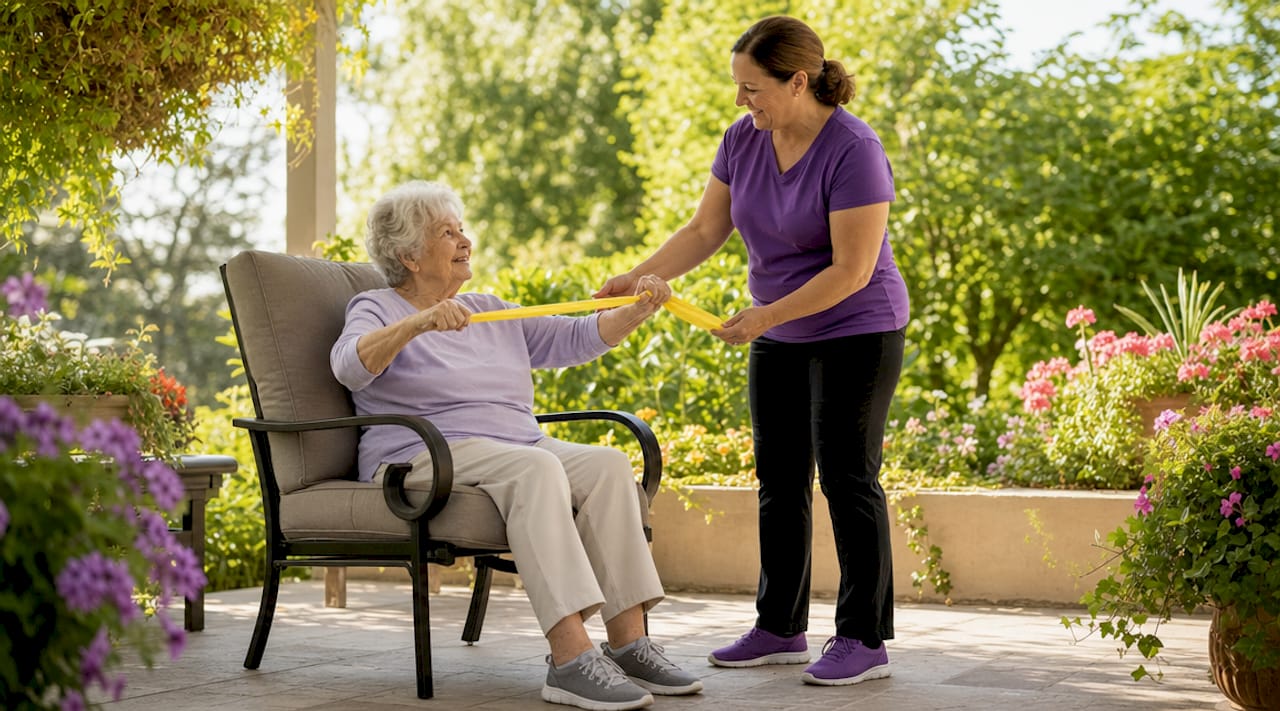
Personal care assistance is defined as hands-on support with daily living activities, including bathing, dressing, grooming, toileting, meal preparation, and medication reminders, that enables elderly individuals to live safely and independently at home. The industry standard term for this support is “personal care services” (PCS), though families and caregivers commonly use “personal care assistance” or “personal care aide” (PCA) services interchangeably. Programs like Minnesota’s PCA program, New York State Medicaid PCS, and KFF’s Medicaid home care overview each document the scope of these services across the country. Understanding the specific examples of personal care assistance available to your family cuts through confusion and helps you make faster, better decisions for your loved one.
1. Examples of personal care assistance services for elderly individuals
Personal care assistance covers a defined set of hands-on tasks tied directly to activities of daily living (ADLs). These are not optional comfort services. They are the core supports that determine whether an elderly person can remain safely at home or requires a facility.
The New York State Medicaid PCS program covers the following personal care services:
- Bathing: Assistance with full-body bathing, sponge baths, or showering, including safe transfers in and out of the tub
- Dressing: Help selecting appropriate clothing and managing fasteners, buttons, or adaptive clothing
- Grooming: Hair brushing, oral hygiene, shaving, and nail care
- Toileting: Support with using the toilet, managing incontinence products, and maintaining hygiene
- Eating: Assistance with feeding when a person cannot manage utensils independently
- Meal preparation: Planning and cooking nutritious meals that meet dietary needs or restrictions
- Medication reminders: Prompting a person to take prescribed medications at the correct time (distinct from medication administration, which requires clinical licensing)
- Mobility assistance: Help with transferring from bed to wheelchair, walking safely, and repositioning
Each of these personal care support examples addresses a specific functional gap. When a senior cannot complete one or more of these tasks safely on their own, a trained personal care aide steps in to fill that gap without replacing the person’s autonomy.
Pro Tip: Start by listing every task your family member struggles with during a typical morning routine. That list becomes the foundation of a care plan and helps you communicate needs clearly to any agency or program coordinator.
2. Agency-based versus self-directed personal care: which model fits your family
Personal care services reach families through two primary delivery models: agency-employed aides and self-directed care programs. The right choice depends on how much control your family wants and how much administrative work you are prepared to manage.
Agency-based care places a trained personal care aide in the home through a licensed home care agency. The agency handles hiring, background checks, scheduling, payroll, and supervision. Families who want professional caregiver support without managing employment logistics typically prefer this model. The tradeoff is less control over which specific worker is assigned and when.
Self-directed care gives the individual or family the authority to hire, train, and supervise their own care workers. Indiana’s HCBS self-direction program is a clear example: participants hire their direct support workers and manage day-to-day supervision, while a financial management service (FMS) handles payroll and tax filings. This model works well when a family member or trusted friend is available to serve as the care worker.
| Feature | Agency-based care | Self-directed care |
|---|---|---|
| Who hires the worker | The agency | The individual or family |
| Scheduling flexibility | Set by agency | Fully controlled by family |
| Administrative burden | Low for family | High: hiring, payroll, taxes |
| Worker consistency | Variable | High when family chooses worker |
| Best for | Families wanting managed care | Families wanting maximum control |
Self-direction programs increase flexibility but place real administrative burdens on participants, including hiring, training, payroll, and supervision responsibilities. That is not a small commitment.
Pro Tip: If you are considering self-direction, contact your state Medicaid office first to confirm whether a financial management service is available. Without FMS support, payroll and tax compliance can overwhelm families quickly.
3. How personal care assistance supports independence and community living
The goal of personal care assistance extends well beyond completing a checklist of tasks. Minnesota DHS states that PCA programs aim to maintain community living safely, not simply to perform tasks. That distinction matters because it shifts the focus from doing things “for” a person to supporting what that person can still do independently.
Personal care fits inside a broader category called home and community-based services (HCBS). Beyond ADLs, many care plans also address instrumental activities of daily living (IADLs), which include:
- Light housekeeping: Vacuuming, dishes, laundry, and maintaining a safe living environment
- Transportation: Rides to medical appointments, grocery stores, or community activities
- Grocery shopping: Purchasing food that meets dietary needs
- Medication management support: Organizing pill boxes and tracking refill schedules
A functional needs assessment determines which of these supports a person qualifies for. According to KFF, 48 states cover personal care through Medicaid waivers and 33 cover it through state plans, but no single national definition exists. This means the specific services available to your family depend heavily on your state’s program rules. Focusing on your loved one’s functional needs first, before researching program specifics, is the most practical starting point.
A family guide to home care services can help you map those needs against available local options before you contact a program coordinator.
4. Personal care assistance in action: real scenarios for elderly family members
Seeing personal care assistance described in concrete scenarios makes it easier to recognize what your family member actually needs. The following examples reflect how care plans translate into daily support.
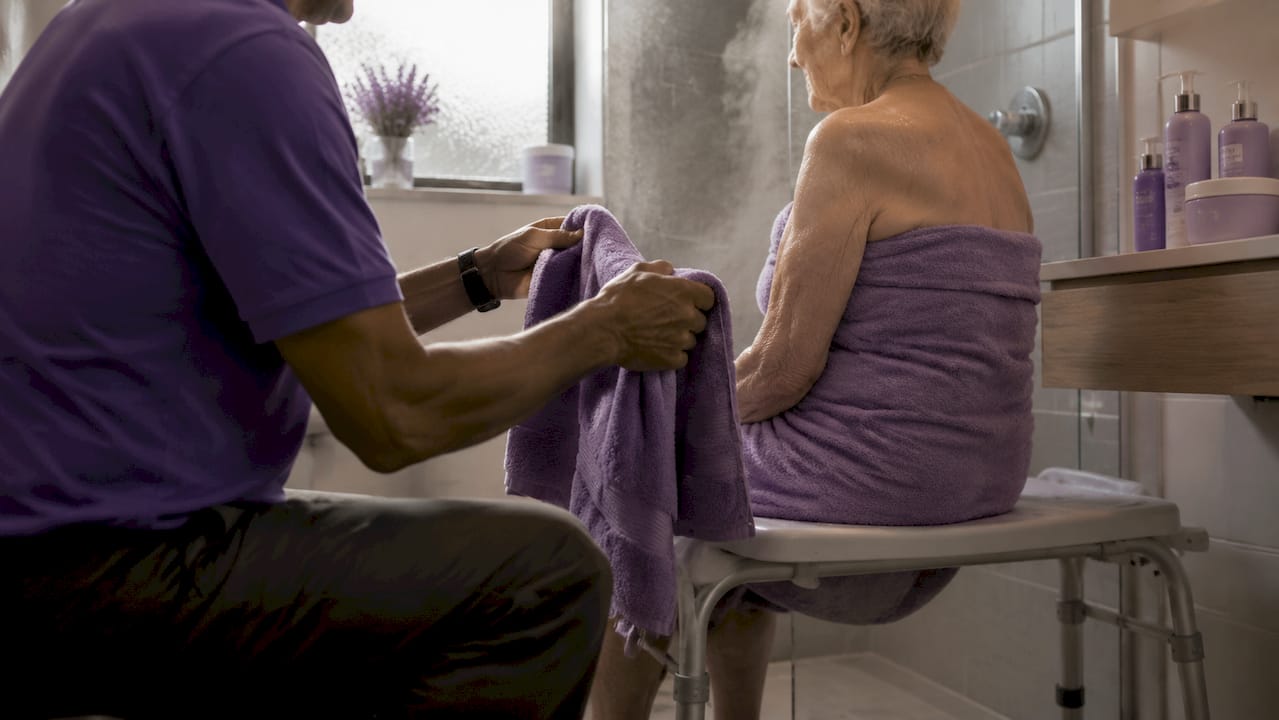
Morning hygiene routine: A personal care aide arrives at 7:30 a.m. to assist an 82-year-old woman with bathing, dressing, and oral hygiene. She can choose her own clothes and direct the process. The aide supports safety and execution, not decision-making.
Meal preparation assistance: A senior with limited mobility cannot stand at the stove safely. A home health aide prepares a low-sodium lunch according to the care plan’s dietary guidelines, then sits with the client during the meal to provide companionship and monitor eating.
Mobility and transfer support: An elderly man recovering from a hip replacement needs help moving from his bed to a wheelchair each morning. His aide uses proper transfer techniques to prevent falls, a leading cause of injury in seniors at home.
Medication reminders: A personal care aide prompts a client to take her afternoon blood pressure medication and records the time in a care log. This task is a reminder only. Actual medication administration requires a licensed nurse.
New York’s PCS program requires a clinical assessment and eligibility determination before any services begin. Families should prepare documentation of medical history, functional limitations, and physician orders before applying. This process takes time, so starting early is critical.
Pro Tip: Always ask any agency or program coordinator whether personal care aides are supervised by a licensed professional. Trained, supervised aides deliver safer, more consistent care, particularly when medical tasks like wound observation are part of the routine.
It is also worth noting that personal care is distinct from companionship. Confusing the two can leave real safety needs unmet. Companionship services do not include hands-on ADL support, and substituting one for the other undermines both safety and care quality.
Key takeaways
Personal care assistance is most effective when it is built around a specific functional needs assessment, delivered by trained aides, and matched to the right service model for your family’s situation.
| Point | Details |
|---|---|
| Core personal care tasks | Bathing, dressing, grooming, toileting, eating, meal prep, and medication reminders are the primary examples. |
| Two delivery models | Agency-based care reduces family burden; self-directed care maximizes control but requires managing payroll and hiring. |
| State programs vary widely | KFF reports 48 states cover personal care via Medicaid waivers, so eligibility and services differ by location. |
| Assessment comes first | Programs like New York PCS require clinical documentation before services begin. Start the process early. |
| Personal care is not companionship | Hands-on ADL support is a distinct service category. Mixing them up leaves safety needs unaddressed. |
What I have learned from watching families navigate personal care
Working alongside families who are trying to figure out care for an elderly parent is one of the most instructive experiences in this field. The families who get it right share one habit: they start with function, not funding. They ask “what can my mother no longer do safely?” before they ask “what does Medicaid cover?”
The most common mistake I see is families assuming that a companion or housekeeping service covers personal care. It does not. Hands-on ADL support is a distinct category, and placing an untrained companion in a personal care role creates real risk. A fall during an unassisted transfer is not a minor inconvenience. It is a hospitalization.
I also think self-direction is underused by families who would genuinely benefit from it. When a trusted adult child or family friend is available and willing, self-direction through a program like Indiana’s HCBS model can deliver more consistent, personalized care than any agency rotation. The administrative work is real, but financial management services exist precisely to handle the hard parts.
My honest advice: get a functional needs assessment done before you contact a single agency or program. That document tells you exactly what your family member needs, and it gives every provider a clear baseline to work from. Without it, you are guessing, and guessing costs time and money your family may not have.
— Michael
How Helping Hands Home Care supports your family’s personal care needs
Helping-hands-home-care provides personal care assistance tailored to elderly adults who want to remain safely at home. From morning hygiene routines to meal preparation and mobility support, the team at Helping-hands-home-care delivers consistent, compassionate care built around each client’s specific needs. Services extend beyond personal care to include cleaning and massage, giving families a single trusted provider for multiple types of support. If you are ready to explore what hands-on home health aide services look like for your family member, Helping-hands-home-care is a practical next step. Reach out to discuss a care plan that fits your loved one’s daily routine and your family’s schedule.
FAQ
What is personal care assistance?
Personal care assistance is hands-on support with activities of daily living such as bathing, dressing, grooming, toileting, and meal preparation. It is designed to help elderly individuals and people with disabilities live safely at home rather than in a facility.
What are the most common examples of personal care assistance?
The most common personal care support examples include bathing, dressing, grooming, toileting, eating assistance, meal preparation, medication reminders, and mobility support. Programs like New York State Medicaid PCS and Minnesota’s PCA program cover these core tasks.
How do I know which personal care services my family member needs?
A functional needs assessment, required by most state Medicaid programs before services begin, identifies which ADLs and IADLs a person cannot perform safely. Starting with that assessment gives you a clear, documented baseline for any care plan.
What is the difference between agency-based and self-directed personal care?
Agency-based care means a licensed home care agency employs and supervises the aide. Self-directed care means the individual or family hires and manages their own worker, with payroll support from a financial management service, as seen in Indiana’s HCBS self-direction program.
Does personal care assistance cover housekeeping and companionship?
Personal care assistance covers hands-on ADL support and some instrumental ADLs like light housekeeping. Companionship is a separate service category and does not include physical assistance with bathing, dressing, or other personal care tasks.