
What Is the Home Care Industry? A 2026 Family Guide
What Is the Home Care Industry? A 2026 Family Guide
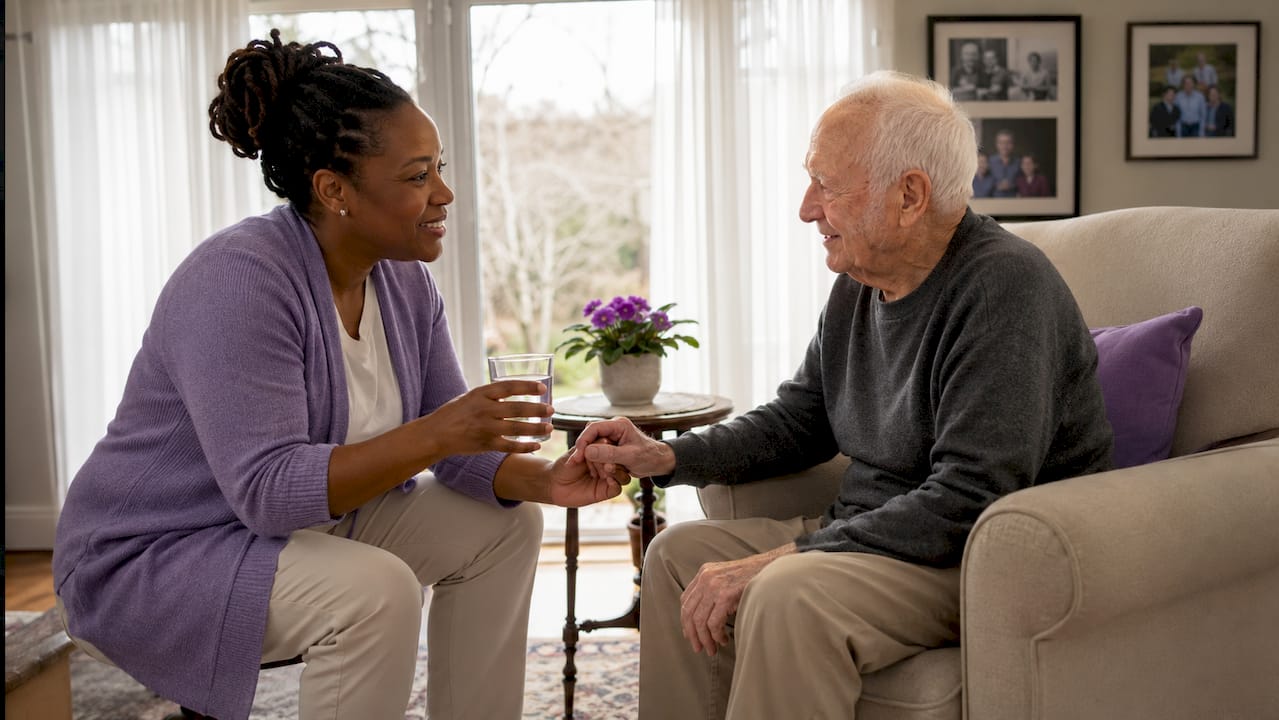
The home care industry is defined as the sector delivering skilled nursing, personal care, and supportive services to individuals in their own residences, classified under NAICS 62161 by the U.S. government. It spans both medical and non-medical services, from wound care and medication management to bathing assistance and meal preparation. The industry’s core purpose is enabling people, particularly older adults and those with chronic conditions, to live safely and independently without moving to a facility. With approximately 40,800 establishments and 1.62 million workers generating roughly $142.7 billion in annual revenue, this is one of the largest and fastest-growing sectors in American healthcare.
What is the home care industry and what services does it include?
The home care industry encompasses every organization and individual caregiver providing health-related or personal support services inside a client’s home. That definition covers a wide spectrum. On one end, a personal care assistant helps an elderly woman shower and prepare breakfast. On the other, a registered nurse visits a post-surgical patient to change wound dressings and monitor vitals.
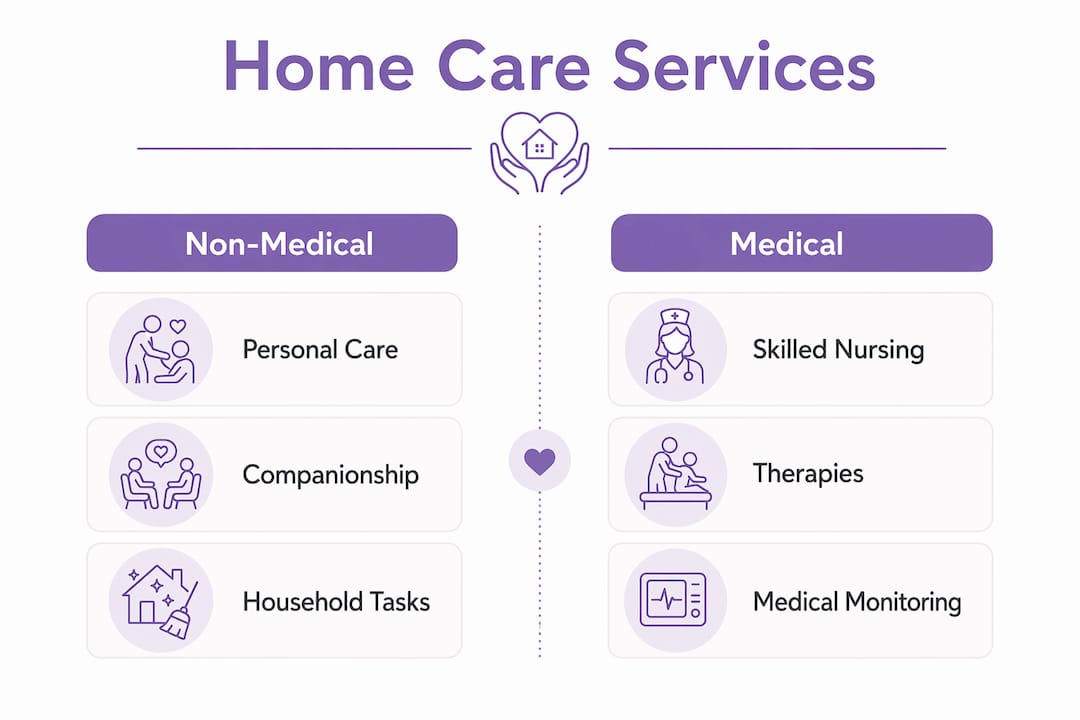
Home care services divide cleanly into two categories: non-medical personal care and skilled medical home health. Non-medical services address activities of daily living, commonly called ADLs. These include bathing, dressing, grooming, meal preparation, light housekeeping, and companionship. Skilled medical services require licensed professionals and include nursing assessments, physical therapy, occupational therapy, speech therapy, and clinical tasks like IV management.
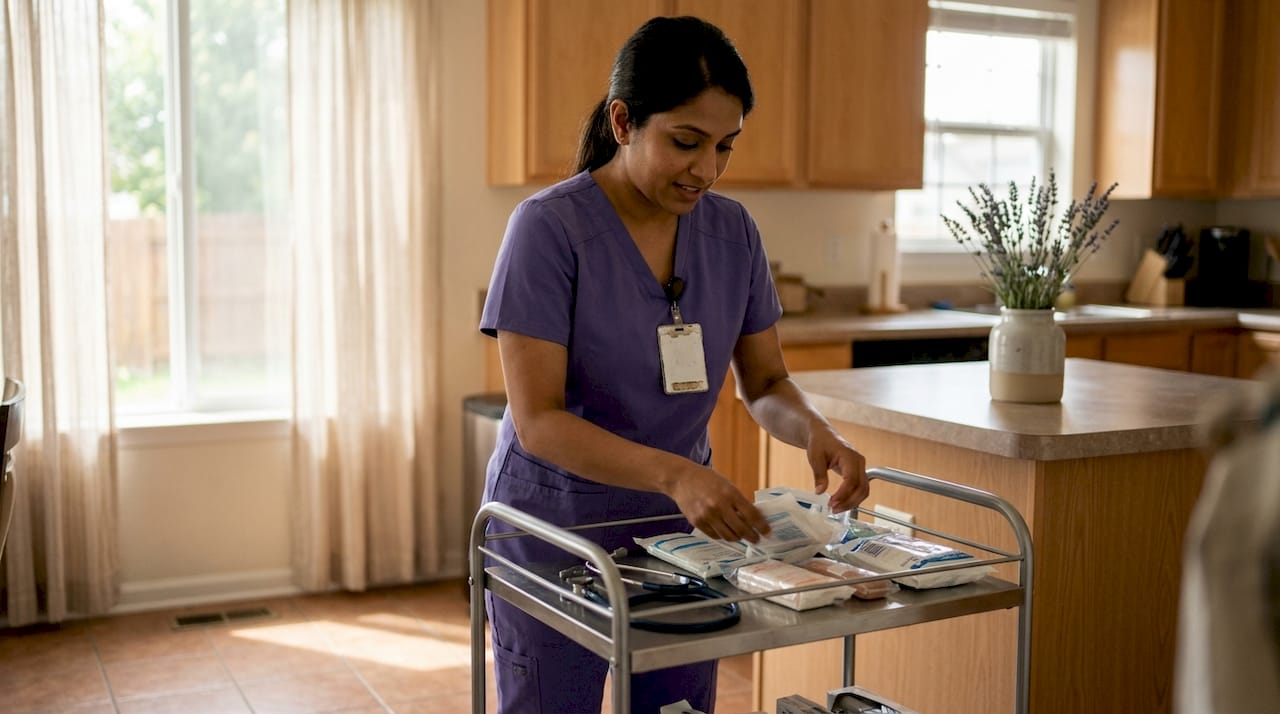
The distinction matters for families because it determines who pays. Medicare and Medicaid typically cover skilled home health services ordered by a physician. Non-medical personal care is usually paid out of pocket, through long-term care insurance, or via Medicaid waiver programs in qualifying states.
| Service type | Caregiver qualification | Typical tasks |
|---|---|---|
| Personal care | Personal care assistant (PCA), minimal training | Bathing, dressing, meal prep, companionship |
| Home health aide | Certified home health aide (CHHA), formal training | ADLs plus basic health monitoring |
| Skilled nursing | Licensed Practical Nurse (LPN) or Registered Nurse (RN) | Wound care, medication management, assessments |
| Therapy services | Licensed physical, occupational, or speech therapist | Rehabilitation, mobility, communication support |
Pro Tip: When comparing providers, ask specifically whether their aides are certified home health aides or personal care assistants. The difference in training scope directly affects what tasks they can legally perform in your state.
How is the home care industry organized and staffed?
The home care workforce ranges from family members with no formal training to licensed nurses providing clinical care. That breadth makes the industry operationally complex. Formal paid caregivers fall into distinct roles, each with different training requirements, certifications, and legal scopes of practice.
Personal care assistants (PCAs) typically complete a short orientation program and focus exclusively on non-medical ADL support. Certified home health aides complete a state-approved training program, usually 75 hours or more, and can perform basic health monitoring tasks. Licensed Practical Nurses and Registered Nurses hold state-issued licenses and handle clinical care. Supervisory roles, including care coordinators and case managers, oversee care plans and manage communication between clients, families, and medical teams.
Agencies and independent caregivers represent two distinct operating models. Home care agencies handle hiring, background checks, training, scheduling, liability insurance, and payroll taxes. Independent caregivers work directly for the client, which lowers hourly cost but shifts legal and administrative responsibility to the family. Families who hire independently become employers under IRS rules, which means managing payroll taxes and workers’ compensation.
Regulatory oversight sits primarily at the state level. States set their own licensing requirements for home care agencies, certification standards for aides, and training hour minimums. Some states require agencies to register with the health department; others require full licensure. This patchwork of regulations means that caregiver qualifications and service standards can vary significantly from one state to the next.
Pro Tip: Before hiring any caregiver or agency, verify their state license or registration status through your state’s health department website. This single step eliminates the most common source of fraud in home care hiring.
What are the steps to arranging home care services?
Arranging home care is a multi-step process involving assessment, caregiver selection, legal arrangements, and ongoing management. Families who treat it as a single transaction rather than an ongoing system consistently run into problems. The operational complexity is one of the most underestimated aspects of the entire process.
Here are the core steps to follow:
- Assess care needs. Identify which ADLs require assistance, whether medical supervision is needed, and how many hours of care per week are realistic. A geriatric care manager or your primary care physician can conduct a formal assessment.
- Determine the right service type. Decide whether personal care, skilled home health, or a combination is appropriate. This decision drives every subsequent choice, including who pays and who qualifies to provide care.
- Choose between agency and independent caregiver. Agencies offer vetted, insured, and replaceable staff. Independent caregivers offer flexibility and lower cost. Weigh both against your administrative capacity and risk tolerance.
- Verify credentials and conduct interviews. Check licenses, certifications, references, and criminal background. Use structured interview questions focused on specific care scenarios, not general experience.
- Prepare the home. Remove fall hazards, install grab bars if needed, organize medications, and create a written care plan that any caregiver can follow. The caregiver’s responsibilities should be documented in writing before the first shift.
- Set up payment and legal arrangements. If using an agency, review the service agreement carefully. If hiring independently, consult an elder law attorney or accountant about employer obligations.
- Monitor and adjust. Schedule regular check-ins with the caregiver and the care recipient. Reassess needs every 90 days or after any significant health change.
Care coordination extends well beyond the hours a caregiver is present. Successful home care depends on continuous communication between family members, medical providers, and caregivers. Families who assign one person as the primary care coordinator report fewer gaps and better outcomes.
Pro Tip: Create a shared digital document or app, such as Google Docs or a dedicated app like CareZone, where all caregivers log daily observations. This creates accountability and gives family members real-time visibility without requiring constant phone calls.
What is the market size and growth outlook for home care?
The U.S. home health care sector currently includes roughly 1.62 million workers across approximately 40,800 establishments, generating an estimated $142.7 billion in annual revenue. That scale places it among the largest employer categories in American healthcare. The workforce figure alone exceeds the combined employment of the entire U.S. airline industry.
Growth projections are substantial. The U.S. home care market is projected to reach $225 billion by 2030, driven by an aging Baby Boomer population, rising preference for aging in place, and cost pressures pushing payers away from institutional care. That trajectory means the industry will add hundreds of thousands of jobs over the next five years.
| Metric | Current figure | Projection |
|---|---|---|
| U.S. establishments | ~40,800 | Growing |
| U.S. workforce | ~1.62 million | Expanding rapidly |
| Annual revenue | ~$142.7 billion | ~$225 billion by 2030 |
| Primary growth driver | Aging population | Technology and workforce investment |
Technology adoption is reshaping operations. Remote patient monitoring, electronic visit verification (EVV), and AI-assisted care scheduling are moving from pilot programs to standard practice. EVV, now federally mandated for Medicaid-funded personal care, requires real-time digital confirmation of caregiver visits, which improves accountability and reduces billing fraud.
Outside the U.S., home care organization differs significantly. In Canada, provinces and territories manage home and community care independently, with coverage and payment options varying by region. Some services require out-of-pocket payment even within publicly funded systems, highlighting how jurisdictional structure shapes access in ways that differ sharply from the U.S. model.
Key takeaways
The home care industry is a $142.7 billion sector delivering both medical and non-medical services at home, and understanding the difference between service types, caregiver roles, and payment models is the single most important factor in arranging effective care.
| Point | Details |
|---|---|
| Industry definition | Home care covers skilled nursing and personal care delivered in a client’s residence under NAICS 62161. |
| Two service categories | Medical home health and non-medical personal care differ in caregiver qualifications, tasks, and payment sources. |
| Workforce complexity | Caregivers range from minimally trained PCAs to licensed RNs, with state regulations governing each role differently. |
| Operational process | Effective home care requires assessment, legal setup, caregiver vetting, and ongoing coordination, not just hiring. |
| Market growth | The U.S. market is projected to reach $225 billion by 2030, driven by aging demographics and technology adoption. |
What families and professionals consistently get wrong about home care
I have spent years working alongside families navigating home care decisions, and the same misunderstanding surfaces repeatedly. People treat home care as a commodity purchase, as if choosing a caregiver is like ordering a service online. It is not. The home care industry is operationally layered in ways that catch families off guard precisely because the surface looks simple.
The biggest misconception I see is that “home health aide” and “personal care assistant” are interchangeable titles. They are not. A certified home health aide has completed a formal training program and can perform health monitoring tasks that a PCA legally cannot. Hiring the wrong role for the actual need creates both safety gaps and compliance problems.
The second mistake is underestimating care coordination. Most families focus entirely on finding the right caregiver and almost nothing on the management infrastructure around that caregiver. Who tracks medication changes? Who communicates with the physician after a fall? Who adjusts the schedule when the caregiver calls in sick? These questions need answers before care starts, not after a crisis.
My honest advice to any family starting this process: spend as much time understanding the step-by-step hiring process as you do evaluating individual caregivers. The system around the caregiver determines outcomes as much as the caregiver’s skill does. And if you are assessing the industry professionally, recognize that the gap between high-performing and low-performing agencies almost always comes down to care coordination infrastructure, not clinical competency alone.
— Michael
How Helping-hands-home-care supports families at every stage
Helping-hands-home-care provides professional in-home care for elderly clients across a full range of needs, from skilled home health aide services covering personal care and health monitoring to professional house cleaning and therapeutic massage delivered at home. Every caregiver is vetted, trained, and matched to the specific needs of each client. Helping-hands-home-care handles the coordination, scheduling, and oversight that families consistently find most difficult to manage on their own. If you are exploring care options for a parent or loved one, the home health aide service page is the right starting point to understand what professional in-home support looks like in practice.
FAQ
What is the home care industry in simple terms?
The home care industry is the sector of healthcare that delivers nursing, personal care, and supportive services inside a person’s home rather than in a hospital or facility. It includes both medical services like skilled nursing and non-medical services like bathing assistance and meal preparation.
Who needs home care services?
Home care is most commonly used by older adults managing chronic conditions, individuals recovering from surgery or illness, and people with disabilities who need daily living support. Any person who requires regular assistance but prefers to remain at home rather than move to a care facility is a candidate for home care services.
What is the difference between home care and assisted living?
Home care delivers services inside the client’s existing residence, preserving independence and familiar surroundings. Assisted living moves the individual to a residential facility where care is provided on-site. Home care is generally preferred when the person’s home environment is safe and their care needs do not require 24-hour supervision.
How much does the home care industry generate annually?
The U.S. home health care sector generates approximately $142.7 billion in annual revenue across roughly 40,800 establishments. The market is projected to reach $225 billion by 2030 as demand from an aging population continues to grow.
What are the main types of home care providers?
Home care providers include home care agencies, which employ and manage caregivers directly, and independent caregivers hired privately by families. Within those models, provider types range from personal care assistants and certified home health aides to licensed practical nurses and registered nurses, each with different training requirements and service scopes.
Recommended
- Difference Between Home Care Types: Family Guide 2026 | Helping Hands Home Care
- Home Care Services for Seniors: A Family Guide | Helping Hands Home Care
- Top 6 Procareunlimited.com Alternatives Providers 2026 | Helping Hands Home Care
- The Role of Home Caregiver: Responsibilities and Support | Helping Hands Home Care