
Detroit Caregiver Support Groups Guide for Families
Detroit Caregiver Support Groups Guide for Families
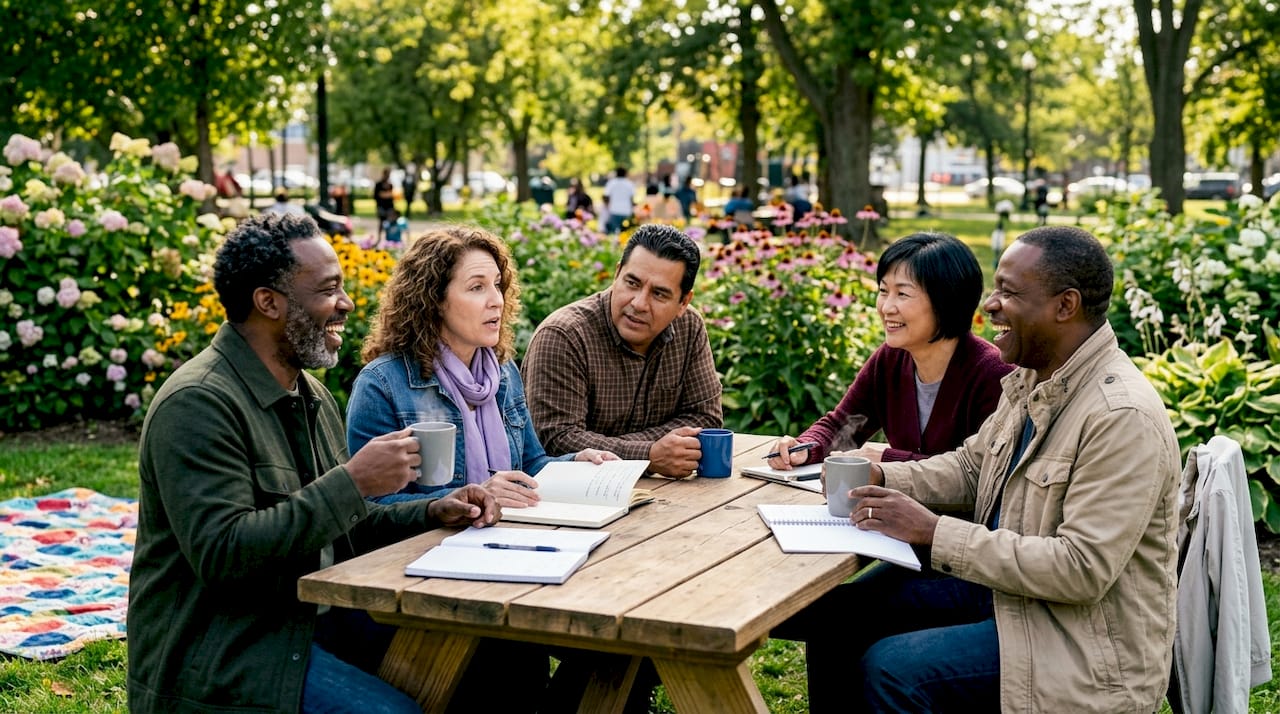
Caregiver support groups are structured programs where family members caring for elderly loved ones share experiences, receive guidance, and connect with local resources. Detroit caregivers have access to a strong network of these groups through organizations like the Detroit Area Agency on Aging (DAAA), Jewish Family Service (JFS) of Metro Detroit, and ACCESS EXHALE. This detroit caregiver support groups guide covers the types of programs available, how to register, what benefits to expect, and how to get the most from your participation. Caregiver isolation is one of the leading drivers of burnout, and the right group can change that.
What types of Detroit caregiver support groups are available?
Detroit caregivers have more options than most people realize. Programs range from general peer groups to specialized, professionally facilitated sessions designed for specific caregiving situations.
General caregiver support groups serve family members caring for elderly loved ones across a wide range of conditions. These groups focus on emotional sharing, stress relief, and community connection. The Detroit Area Agency on Aging is the primary local hub connecting caregivers to these programs, along with educational workshops and respite care referrals for individuals 60 and older.
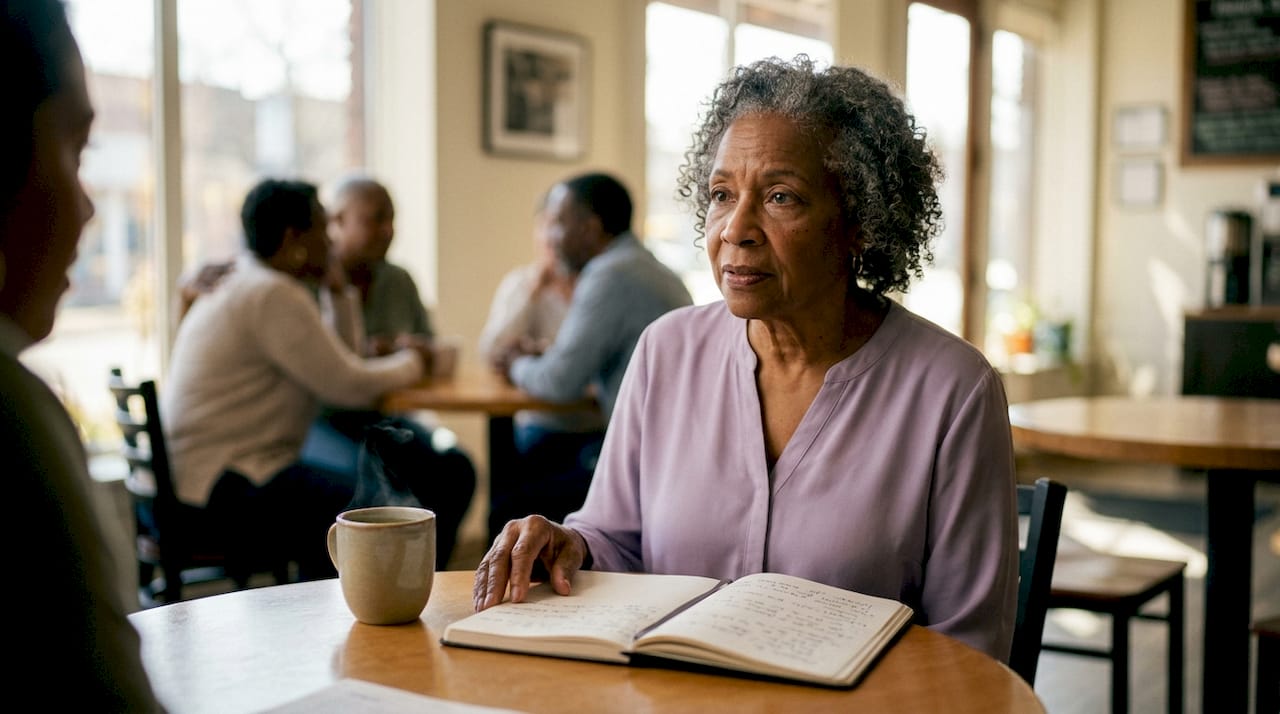
Dementia-specific programs fill a critical gap for caregivers managing memory-related conditions. Jewish Family Service of Metro Detroit hosts a monthly Memory Cafe that meets the first Wednesday of each month, offering themed sessions and activities for dementia caregivers in a social, resource-rich setting. This format reduces isolation while giving caregivers practical tools.
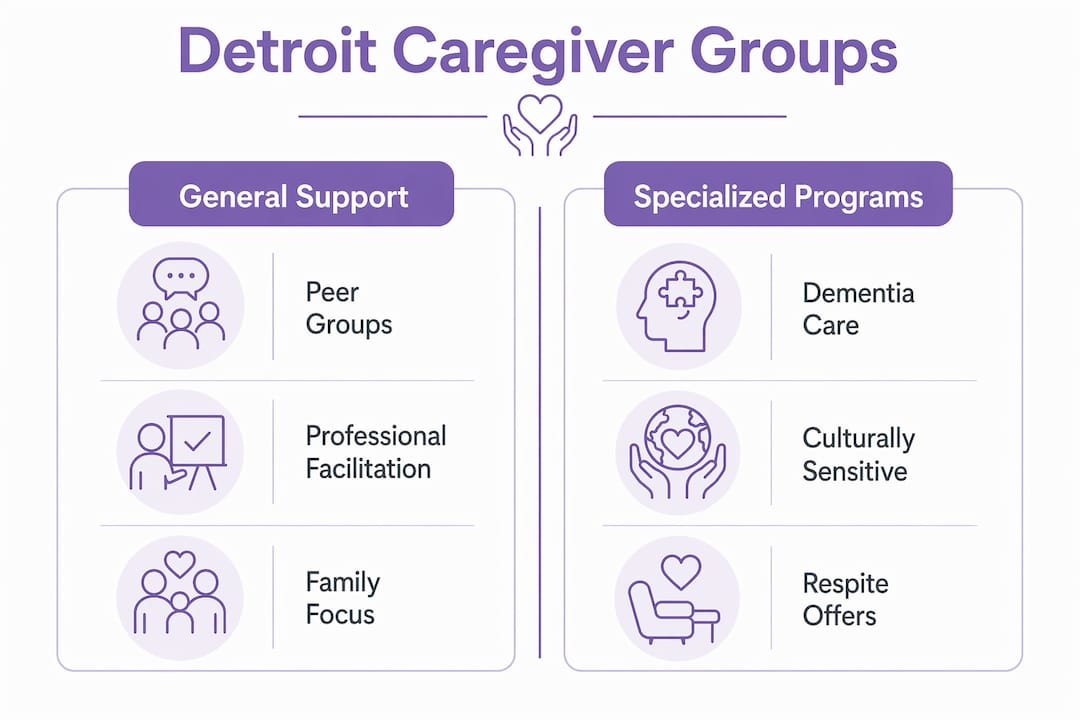
Culturally sensitive programs address the reality that caregiving looks different across communities. ACCESS EXHALE offers bi-monthly caregiver gatherings across Wayne County with a focus on social connection, professional guidance, and inclusivity. The program launched in late 2025 and includes stipends and respite opportunities for caregivers of loved ones aged 60 and older. That financial support makes participation realistic for caregivers who cannot easily step away from their responsibilities.
Meeting formats vary widely across the Detroit caregiver community:
- In-person groups build the deepest social bonds and work best for caregivers who benefit from face-to-face connection
- Online and hybrid options serve caregivers with transportation barriers or unpredictable schedules
- Peer-led groups offer informal, experience-based support from people in similar situations
- Professionally facilitated groups provide structured sessions led by social workers or counselors, common in academic and healthcare settings
Pro Tip: If you are new to support groups, start with a professionally facilitated group. The structure helps first-timers feel less exposed and more focused on practical takeaways.
How to find and register for caregiver support groups in Detroit
Finding the right group takes a few deliberate steps. The process is straightforward once you know where to start.
-
Contact the Detroit Area Agency on Aging first. DAAA functions as a system navigator for caregivers in Region 1-A, connecting families to support groups, counseling, and respite care. Their Medicare/Medicaid Assistance Program also links caregivers to financial resources. Call or visit their website to get a current list of active groups near you.
-
Reach out to Jewish Family Service of Metro Detroit. JFS runs the Memory Cafe and the Caring Connections Neighborhood Hub. Contact them directly through their website at jfsdetroit.org to confirm meeting dates and any registration steps for their programs.
-
Explore ACCESS EXHALE through the Senior Alliance. The Senior Alliance administers ACCESS EXHALE across Wayne County. Visit thesenioralliance.org or call their main line to learn about upcoming bi-monthly gatherings and eligibility for stipends.
-
Check AgeWays for regional group listings. AgeWays maintains a directory of Michigan caregiver support groups and is a reliable source for confirming active programs, schedules, and contact details.
-
Complete any required intake process. Some programs require a brief pre-survey or phone evaluation lasting 10–15 minutes. This step matches your caregiving situation to the right program. It is not a barrier. It is a quality check that benefits you.
-
Verify group status before attending. Many groups are volunteer-led and subject to schedule changes. Always call ahead to confirm the meeting is still active and get the current location or video link.
Pro Tip: When you call for an intake evaluation, write down two or three specific challenges you face as a caregiver before the call. Concrete details help program staff match you to the right group faster.
Understanding Michigan senior care programs can also help you identify which organizations in your area offer the most relevant support for your situation.
What emotional and practical benefits do these groups provide?
Support groups do more than provide a place to talk. They reduce measurable harm and open doors to resources most caregivers do not know exist.
Caregiver stress linked to isolation can be directly reduced by joining support groups or stress-relief activities, according to Wayne State University research. That matters because burnout does not just affect the caregiver. It affects the quality of care the elderly person receives. Addressing caregiver mental health is not optional. It is part of the caregiving job.
Beyond emotional relief, support groups connect caregivers to concrete resources. Social work professionals advise caregivers to treat groups as entry points to resource navigation, including respite care, financial aid, and geriatric care management. A single conversation in a group setting can lead to a respite voucher, a legal services referral, or a connection to a home care coordinator.
“Caregiver stress is often tied to isolation. Prioritizing mental health through social support is critical to sustaining caregiving over the long term. Support groups serve as gateways to comprehensive resource navigation, helping caregivers find respite care and financial aid when they need it most.”
Specific benefits caregivers report from Detroit-area groups include:
- Reduced isolation through regular contact with people who understand the caregiving experience firsthand
- Educational workshops covering topics like medication management, fall prevention, and navigating Medicare
- Recreational outings organized through programs like ACCESS EXHALE that give caregivers a genuine break
- Respite care connections arranged through DAAA and JFS to give caregivers scheduled time off
- Financial aid referrals to programs covering home modifications, transportation, and care costs
Culturally sensitive programs like ACCESS EXHALE go further by validating diverse caregivers’ lived experiences, which matters in a city as diverse as Detroit. Caregivers from different cultural backgrounds often face unique expectations around family care. A group that recognizes that context provides deeper, more relevant support.
Best practices for getting the most from Detroit caregiver groups
Joining a group is the first step. Getting real value from it requires a few consistent habits.
- Call ahead every time. Many groups are volunteer-led and subject to last-minute changes. Confirming before you show up saves wasted trips and frustration.
- Be honest during intake calls. Share your specific caregiving situation, including the condition of your loved one, your schedule, and your biggest stressors. Honest intake conversations lead to better program matches.
- Try 2–3 different groups. Trying multiple groups helps caregivers find the right social dynamic and facilitation style. A mismatch can increase stress rather than reduce it. Different groups specialize in dementia, grief, or general caregiving, and the right fit matters.
- Use groups as gateways. Ask facilitators and fellow caregivers about other resources. Every group is connected to a broader network of services. The people in the room know things that are not on any website.
- Attend consistently. Deeper connections form over multiple sessions. Showing up once and deciding it is not for you is like judging a neighborhood after one visit. Give it at least three sessions before making a decision.
Pro Tip: Bring a small notebook to group sessions. Write down any program names, phone numbers, or resources mentioned by the facilitator or other caregivers. These informal referrals are often the most useful leads you will find.
For caregivers managing seasonal caregiving challenges in Wayne County, connecting with a support group before winter hits gives you a network in place when conditions make caregiving harder.
How do Detroit caregiver groups connect with formal home care services?
Support groups and formal home care services work best together. They address different needs, and combining them produces better outcomes for both caregivers and their elderly loved ones.
| Organization | Primary Role | Services Beyond Support Groups |
|---|---|---|
| Detroit Area Agency on Aging | System navigator for Region 1-A | Respite care referrals, Medicare/Medicaid counseling, financial aid connections |
| Jewish Family Service of Metro Detroit | Community-based support and Memory Cafe | Geriatric care management, legal services, financial relief programs |
| ACCESS EXHALE / Senior Alliance | Culturally inclusive caregiver gatherings | Stipends, respite vouchers, social programming for Wayne County caregivers |
| Wayne State University programs | Professionally facilitated caregiver workshops | Research-backed stress reduction programs, intake-matched group placement |
DAAA acts as the connective tissue between emotional support and practical services. When you call DAAA, you are not just getting a group referral. You are entering a network that links to respite care and home care options across Detroit. JFS and ACCESS EXHALE provide wraparound support that extends well beyond the meeting room, including financial relief programs and legal service connections.
Medicaid and Medicare resources are also accessible through DAAA’s counseling programs. Caregivers who do not know they qualify for respite benefits often discover their eligibility through a support group connection. That single discovery can change the entire caregiving situation.
Key Takeaways
Detroit caregivers who combine local support groups with formal home care services reduce burnout, access more resources, and provide better care for their elderly loved ones.
| Point | Details |
|---|---|
| DAAA is your starting point | Contact the Detroit Area Agency on Aging first to get matched with active local groups and services. |
| Group types vary significantly | Choose from general, dementia-specific, or culturally sensitive programs based on your caregiving situation. |
| Registration may require intake | Some programs need a 10–15 minute phone evaluation to match you to the right group. |
| Groups open doors to resources | Support groups connect caregivers to respite care, financial aid, and legal services beyond emotional support. |
| Consistency builds real benefit | Attend at least three sessions before judging fit, and try multiple groups if the first is not the right match. |
What I have learned about finding the right caregiver group in Detroit
The hardest part of joining a support group is not the registration. It is admitting you need one. Most caregivers I have spoken with waited far too long before reaching out, convinced they could manage alone or that their situation was too specific for a group to understand. That thinking costs them months of unnecessary isolation.
What surprised me most is how quickly the right group changes a caregiver’s outlook. Not because the problems disappear, but because carrying them alone is suddenly no longer required. Detroit has real infrastructure for this, from DAAA’s system navigation to JFS’s Memory Cafe to ACCESS EXHALE’s culturally aware gatherings. These are not generic programs. They are built for the specific reality of caregiving in this city.
My honest advice: do not wait until you are at the breaking point. The intake call feels like a hurdle, but it takes 15 minutes and it gets you to the right room faster. Caregiver self-care is not a luxury. It is what keeps the whole system running. And if the first group is not the right fit, try another. The right one exists.
— Michael
How Helping-hands-home-care supports Detroit caregivers
Support groups give caregivers community and connection. Helping-hands-home-care gives caregivers real, hands-on relief at home. For Detroit families managing the daily demands of elderly care, professional home health aide services from Helping-hands-home-care provide the consistent, trustworthy in-home support that makes everything else sustainable. Whether you need a few hours of coverage so you can attend a support group meeting, or more regular assistance to reduce your caregiving load, Helping-hands-home-care offers affordable options designed for Detroit families. Combining group support with professional in-home care is the most complete approach to sustainable caregiving.
FAQ
What is the Detroit Area Agency on Aging’s role in caregiver support?
The Detroit Area Agency on Aging serves as the primary connection hub for caregivers in Region 1-A, linking families to support groups, respite care, and Medicare/Medicaid counseling. Contacting DAAA is the fastest way to find active local programs.
Do Detroit caregiver support groups cost money to join?
Most caregiver support groups in Detroit are free to attend. Programs like ACCESS EXHALE even offer stipends and respite vouchers to eligible caregivers of loved ones aged 60 and older.
How do I know which support group is right for me?
Start by identifying your specific caregiving situation, such as dementia care, general elder care, or grief, and then contact DAAA or JFS for a referral. Trying 2–3 different groups helps you find the right social dynamic and facilitation style.
Are there support groups specifically for dementia caregivers in Detroit?
Jewish Family Service of Metro Detroit hosts a monthly Memory Cafe on the first Wednesday of each month, designed specifically for dementia caregivers with themed sessions and activities.
Can I attend caregiver support groups online?
Several Detroit-area programs offer online or hybrid meeting options, making participation accessible for caregivers with transportation barriers or unpredictable schedules. Contact individual organizations to confirm current format options.
Recommended
- How to Request In-Home Care Services in Metro Detroit | Helping Hands Home Care
- Detroit Home Care Economy: Impact and Options in 2026 | Helping Hands Home Care
- Talking to Parents About Home Care: A Family Guide | Helping Hands Home Care
- How to Prepare Home for Caregiver: 2026 Safety Guide | Helping Hands Home Care