
How to Request In-Home Care Services in Metro Detroit
How to Request In-Home Care Services in Metro Detroit

Requesting in-home care services is the process of arranging personalized, non-medical support for elderly individuals so they can live safely and comfortably at home. For families in metro Detroit, this means connecting with local resources like the Eldercare Locator, Area Agencies on Aging, and trusted providers such as Helping-hands-home-care to build a care plan that fits your loved one’s real needs. The process covers everything from assessing daily living needs to verifying caregiver qualifications and securing funding. Getting it right from the start saves time, reduces stress, and protects your loved one’s quality of life.
What types of in-home care services are available?
Non-medical in-home care and home health care are two distinct categories, and confusing the two is one of the most common mistakes families make. Non-medical in-home care covers personal care, homemaker services, companionship, and dementia support. Home health care involves skilled medical services like wound care or physical therapy and requires a doctor’s referral. Insurance often covers home health care but rarely covers non-medical in-home care.
When assessing your loved one’s needs, focus on two categories: Activities of Daily Living (ADLs) and Instrumental Activities of Daily Living (IADLs). ADLs include bathing, dressing, toileting, and eating. IADLs cover meal preparation, managing medications, housekeeping, and transportation. A clear picture of which tasks your loved one struggles with tells you exactly what kind of help to request.
Specialized services matter when a loved one has Alzheimer’s disease, Parkinson’s disease, or another chronic condition. Dementia care requires caregivers trained in redirection techniques and safety protocols. Standard personal care aides are not always equipped for this level of support, so ask agencies specifically about their dementia training programs.
- Personal care: Bathing, grooming, dressing, and mobility assistance
- Homemaker services: Meal preparation, light housekeeping, laundry
- Companionship: Social engagement, errands, and transportation
- Dementia and Alzheimer’s care: Specialized supervision and behavioral support
- In-home nursing support: Medication reminders and coordination with medical providers
Pro Tip: Request a free needs assessment from any reputable agency before signing a contract. Agencies like Helping-hands-home-care use these assessments to build a personalized care plan, which prevents you from paying for services your loved one does not actually need.
How do you find reputable in-home care providers in metro Detroit?
Start with the Eldercare Locator at 1-800-677-1116. This free federal service connects Detroit-area families to local Area Agencies on Aging, which maintain vetted lists of licensed providers and can flag funding programs you may qualify for. Personal recommendations from neighbors, physicians, or hospital discharge planners are equally valuable. Online reviews on Google and the Better Business Bureau give you a broader picture of an agency’s track record.
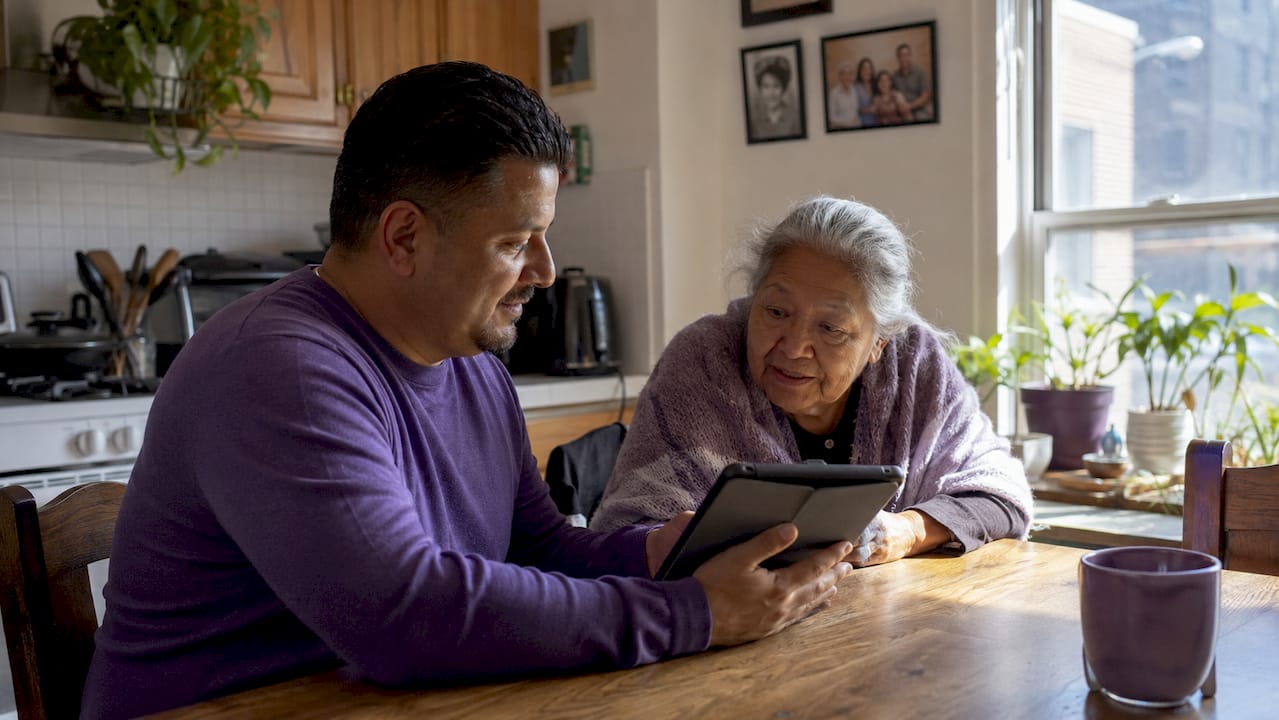
The choice between a licensed agency and an independent caregiver is significant. In-home care agencies handle recruitment, training, payroll, taxes, and caregiver supervision. That structure removes a heavy administrative burden from your family. Independent caregivers typically cost less per hour, but you become the employer of record, which means background checks, tax withholding, and finding a replacement when the caregiver calls in sick all fall on you.
Key qualifications to verify before hiring include background checks, state certifications, and any specialized training relevant to your loved one’s condition. Caregiver certifications and dementia-specific credentials are worth asking about directly. Do not assume an agency handles this automatically. Ask for documentation.
Here are the steps to evaluate any provider:
- Confirm the agency is licensed in Michigan and carries liability insurance.
- Ask for references from current or recent clients in the metro Detroit area.
- Verify caregiver background checks and training records.
- Ask how the agency handles caregiver absences and who provides backup coverage.
- Review the service agreement carefully before signing, paying attention to cancellation terms.
- Confirm how care plans are updated when your loved one’s needs change.
Pro Tip: Always ask an agency how they handle backup coverage when your primary caregiver is unavailable. A strong agency has a bench of trained substitutes ready. If they cannot answer this question clearly, that is a red flag.
For a detailed walkthrough of the hiring process, the step-by-step caregiver hiring guide from Helping-hands-home-care covers what to ask and what to watch for.
What does in-home care cost, and how do you access affordable options?
The national median cost for non-medical in-home care in 2026 is $34 per hour, with state medians ranging from $25 to $44. Michigan falls in the mid-range, but metro Detroit rates can run higher due to demand and cost of living. That means a family arranging 20 hours of weekly care could spend $680 or more per week before any financial assistance.
Private pay is the most common starting point, but several programs can reduce that cost significantly. Medicaid Waiver programs in Michigan cover in-home care for eligible low-income seniors. Veterans and surviving spouses may qualify for the Aid and Attendance benefit through the Department of Veterans Affairs. Detroit-area families should contact their local Area Agency on Aging to check eligibility for state and local funding before committing to private pay.
| Funding Source | Who Qualifies | What It Covers |
|---|---|---|
| Private pay | Anyone | All non-medical in-home care services |
| Michigan Medicaid Waiver | Low-income seniors meeting medical criteria | Personal care, homemaker, and respite services |
| VA Aid and Attendance | Veterans and surviving spouses | In-home care costs up to benefit limits |
| Area Agency on Aging programs | Varies by program and income | Homemaker, chore, and companion services |
For a full breakdown of financial assistance programs available in Michigan, the financial assistance guide from Helping-hands-home-care is a practical starting point.
Pro Tip: Before finalizing any care arrangement, request an itemized cost estimate from the agency. Compare it against your loved one’s monthly income, savings, and any benefits they receive. A geriatric care manager can help you map this out if the finances feel complicated.
Step-by-step process to request and arrange in-home care
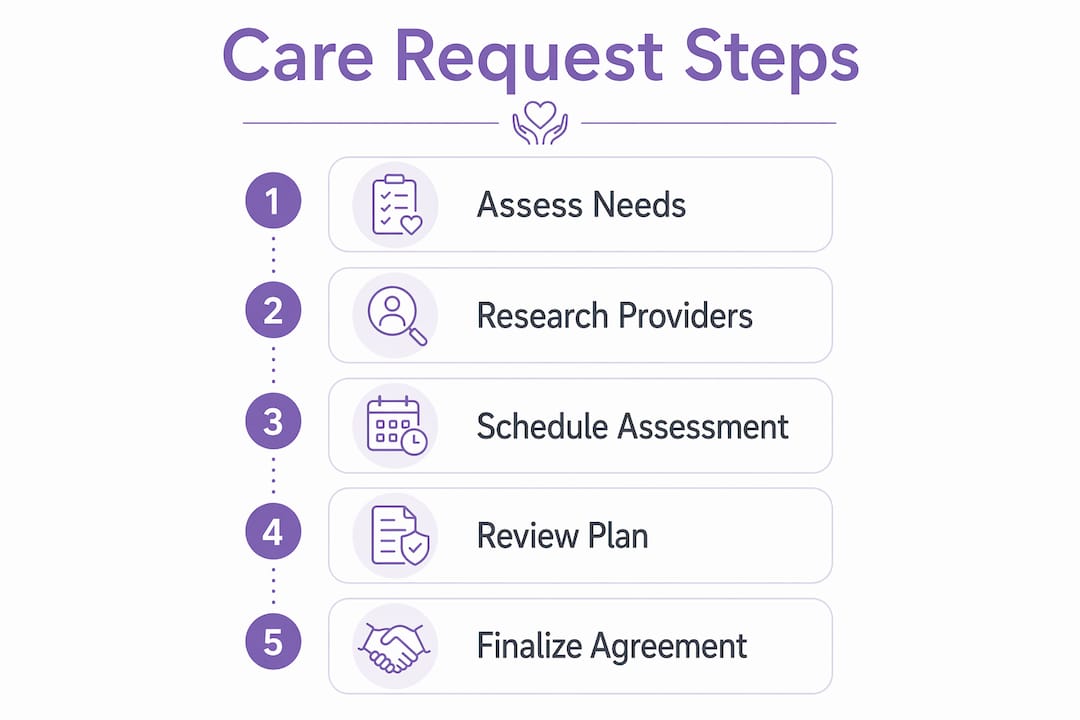
Arranging care works best when you follow a clear sequence rather than making calls before you know what you need.
- Conduct a home needs assessment. Walk through your loved one’s home and note which daily tasks they struggle with. Document ADLs and IADLs specifically.
- Contact local resources first. Call the Eldercare Locator at 1-800-677-1116 or reach out to the Area Agency on Aging serving Wayne, Oakland, or Macomb County.
- Request consultations from at least two agencies. Compare care plans, caregiver qualifications, and pricing side by side.
- Gather required documentation. Most agencies need a physician’s statement, insurance information, and a list of current medications.
- Review and sign the service agreement. Confirm start dates, caregiver assignments, and the process for requesting changes.
- Schedule the first caregiver visit and stay present. Observe how the caregiver interacts with your loved one before stepping back.
- Review the care plan at 30 days. Adjust hours, tasks, or caregiver assignments based on what you observe.
| Approach | Pros | Cons |
|---|---|---|
| Hiring through an agency | Background checks, backup coverage, supervision included | Higher hourly cost |
| Self-hiring a private caregiver | Lower hourly rate, more direct control | You manage taxes, insurance, and replacements |
The most common mistake families make is skipping the needs assessment and calling agencies without a clear picture of what they need. That leads to mismatched care plans and wasted spending.
Pro Tip: Schedule a formal care plan review every 90 days, not just when something goes wrong. Your loved one’s needs will shift over time, and a proactive review catches those changes before they become crises.
How do you maintain quality in ongoing in-home care?
Quality care does not run on autopilot. Consistent communication between your family, the caregiver, and the agency is the single most effective way to preserve care quality over time. Set a regular check-in schedule with the agency, whether weekly or biweekly, and keep a simple log of any concerns your loved one mentions.
Geriatric care managers are an underused resource in metro Detroit. These professionals coordinate complex care across providers, help navigate hospital discharges, and can advocate for your loved one when you cannot be present. If your loved one has multiple medical conditions or frequent hospitalizations, a geriatric care manager is worth the investment.
Watch for these warning signs that care quality is slipping:
- Your loved one seems withdrawn, anxious, or reluctant to be alone with the caregiver.
- Personal hygiene or household cleanliness declines despite scheduled care visits.
- The caregiver frequently arrives late or leaves early without explanation.
- Medications are missed or administered incorrectly.
- Your loved one reports feeling rushed or ignored during care visits.
If you notice any of these signs, contact the agency immediately and request a supervisor visit. Do not wait for the next scheduled review.
Key Takeaways
Families who request in-home care services with a clear needs assessment, verified caregiver qualifications, and local funding support secure better outcomes for their elderly loved ones than those who hire reactively.
| Point | Details |
|---|---|
| Know the care type you need | Non-medical in-home care and home health care are different; confirm which your loved one needs before contacting providers. |
| Use local resources first | The Eldercare Locator and Area Agencies on Aging connect Detroit families to vetted providers and funding programs. |
| Verify caregiver qualifications | Always confirm background checks, certifications, and dementia training before signing any agreement. |
| Understand the full cost | The national median is $34 per hour in 2026; Michigan Medicaid Waivers and VA benefits can reduce out-of-pocket costs. |
| Review care plans regularly | Schedule formal reviews every 90 days to catch changes in your loved one’s needs before they become problems. |
What I have learned helping Detroit families navigate in-home care
Families in metro Detroit often call agencies in a panic, usually after a fall, a hospital discharge, or a sudden realization that a parent can no longer manage alone. That reactive approach almost always leads to rushed decisions and mismatched care. The families who get the best outcomes are the ones who start the process before the crisis hits.
The biggest gap I see is families skipping the Area Agency on Aging entirely. These offices know the local provider landscape better than any online review site. They know which agencies have had licensing issues, which ones have strong dementia programs, and which funding programs have open slots right now. That knowledge is free and it is sitting there waiting for a phone call.
Cost anxiety is real, and I understand it. But I have watched families spend more money by hiring the cheapest option first, then switching agencies two months later when care quality falls short. A slightly higher hourly rate from a well-run agency with strong supervision and backup coverage almost always costs less in the long run than cycling through cheaper alternatives.
The home care services guide from Helping-hands-home-care is a resource I recommend to families who want a thorough overview before making their first call. Getting informed before you start the process changes every conversation you have after that.
— Michael
How Helping-hands-home-care supports your family in metro Detroit
Helping-hands-home-care provides personalized in-home care for elderly adults across the metro Detroit area, including home health aid services tailored to each client’s daily living needs. The team conducts care assessments, builds individualized care plans, and matches clients with qualified caregivers. Beyond personal care, Helping-hands-home-care also offers house cleaning and massage therapy services that complement a complete care plan for your loved one.

Contact Helping-hands-home-care today to schedule a free consultation and take the first step toward quality, personalized care for your family.
FAQ
What is the difference between in-home care and home health care?
Non-medical in-home care covers personal care, companionship, and homemaker services without a doctor’s referral. Home health care involves skilled medical services like nursing or therapy and typically requires a physician’s order.
How do I find affordable in-home care in metro Detroit?
Contact the Eldercare Locator at 1-800-677-1116 or your local Area Agency on Aging. These free services connect families to Michigan Medicaid Waivers, VA benefits, and other local funding programs that reduce out-of-pocket costs.
What qualifications should I verify before hiring a caregiver?
Confirm that the caregiver has passed a background check, holds any required Michigan state certifications, and has specific training for your loved one’s condition, such as dementia or Parkinson’s care.
How much does in-home care cost in Michigan?
The national median for non-medical in-home care is $34 per hour in 2026, with state rates ranging from $25 to $44. Metro Detroit rates may run higher depending on the level of care and agency.
How often should I review my loved one’s care plan?
Review the care plan at 30 days after starting care, then every 90 days after that. Update the plan whenever your loved one’s health, mobility, or daily living needs change.
Recommended
- Top 5 Helpinghandhealthcare.com Alternatives Providers 2026 | Helping Hands Home Care
- Macomb County In-Home Care Options: 2026 Guide | Helping Hands Home Care
- Michigan Winter Home Care Challenges: A Caregiver’s Guide | Helping Hands Home Care
- Home Massage Therapy Detroit Benefits: Your Guide | Helping Hands Home Care