
Michigan Winter Home Care Challenges: A Caregiver's Guide
Michigan Winter Home Care Challenges: A Caregiver’s Guide
Michigan winter home care challenges are the specific risks, obstacles, and care disruptions that elderly residents face when temperatures drop, ice accumulates, and home systems strain under seasonal pressure. These challenges span physical safety, heating and plumbing reliability, health vulnerability, and caregiver availability. For families managing elder care in Michigan, the stakes are high. Frozen pipes, indoor hypothermia, fall hazards, and medication access gaps can all converge during a single winter storm. Understanding each risk category, and knowing how to counter it, is the difference between a safe winter and a preventable crisis.
How do Michigan winters affect home safety and accessibility for seniors?
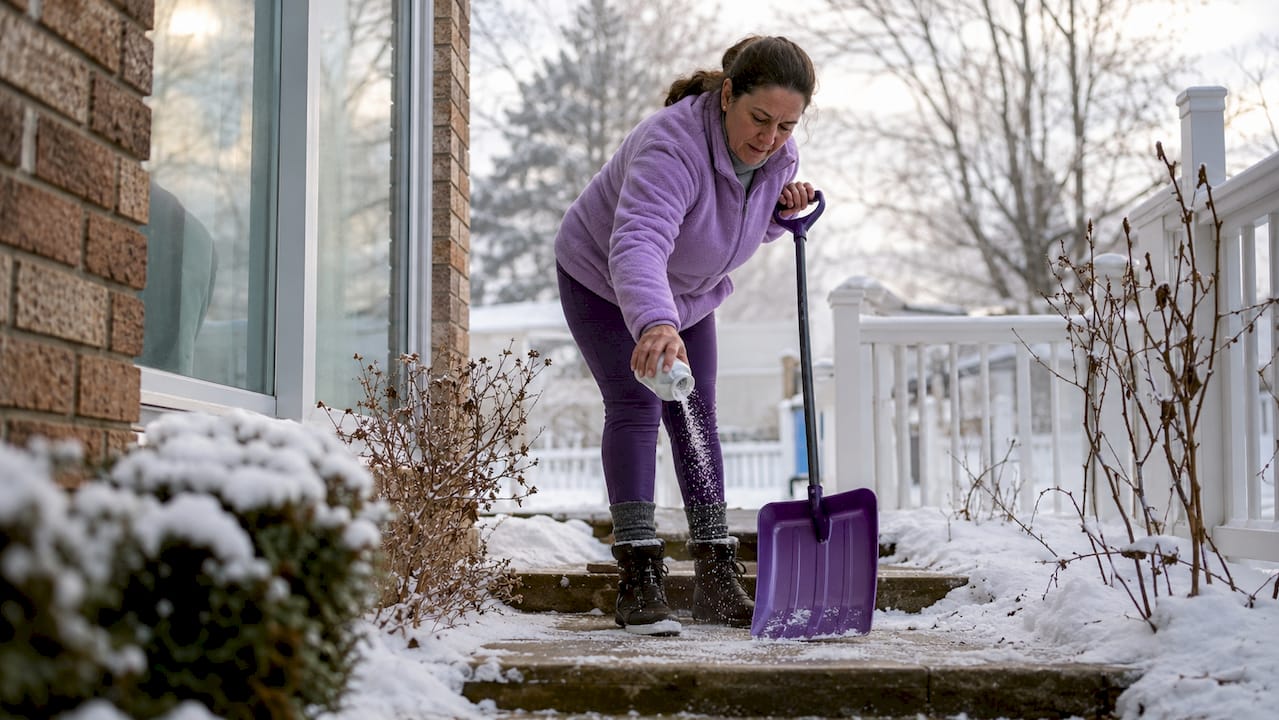
Winter in Michigan creates a specific set of home safety hazards that hit elderly residents harder than any other population. Ice and snow accumulation on walkways, driveways, and entry steps turns routine movement into a serious fall risk. Henry Ford Health’s Stay Home Safe program demonstrates measurable reductions in fall incidents after targeted home safety improvements, confirming that modifications work. For seniors with limited mobility or balance issues, even a thin layer of ice near the front door can result in a hospitalization.
Indoor temperature management is a separate and often underestimated danger. Hypothermia can occur indoors in elderly individuals without any outdoor exposure, because aging reduces the body’s ability to regulate heat. Centralized thermostats frequently fail to reflect cold spots in rooms where seniors spend most of their time, such as bedrooms or sitting areas near exterior walls. Caregivers need to monitor temperature in those specific rooms, not just the hallway thermostat.
Home accessibility also degrades significantly during Michigan winters. Snow blocks ramps and pathways designed for walkers or wheelchairs. Ice makes grab bars and handrails less effective if the surrounding surface is slippery. Seniors who rely on home care services for daily support may find that caregivers arrive late or not at all when roads are impassable, creating gaps in routine care.
Key winter home safety steps to address before the first freeze:
- Install non-slip mats at all entry points and in bathrooms
- Apply ice melt or sand to exterior walkways and ramps before storms
- Check that all grab bars and handrails are secure and properly anchored
- Confirm smoke and carbon monoxide detectors are functional
- Arrange for snow removal service so pathways stay clear throughout the season
Pro Tip: Walk through the home as if you have limited mobility. Identify every surface where a fall could happen and address it before winter arrives, not after the first incident.
What are common winter plumbing and heating issues in Michigan elder homes?
Michigan winters commonly cause frozen pipes, burst lines, and water heater strain, all of which can disrupt daily care routines for elderly residents. When water freezes inside a pipe, it expands and increases internal pressure until the pipe cracks or bursts. Frozen ground also shifts soil around sewer lines, and snowmelt adds significant demand to sump pumps. For an elderly person living alone or with a single caregiver, a burst pipe in January is not just a plumbing problem. It is a care emergency.
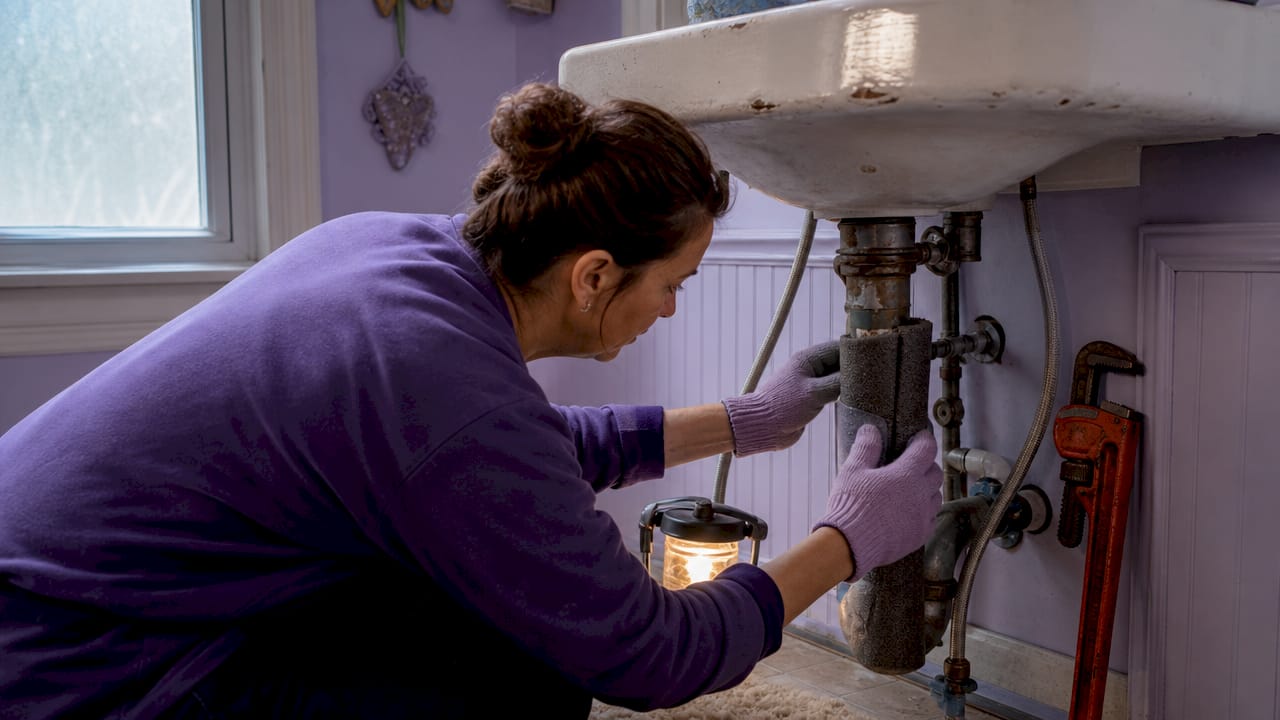
AAA recommends keeping thermostats above 55°F, letting faucets drip during extreme cold, opening cabinet doors under sinks, and insulating exposed pipes to prevent freeze damage in Metro Detroit homes. These are not optional precautions during a Michigan cold snap. They are the baseline standard for any home where a senior lives.
| Risk | Cause | Prevention |
|---|---|---|
| Frozen pipes | Sustained sub-freezing temperatures | Insulate pipes, let faucets drip, keep heat above 55°F |
| Burst water lines | Ice expansion inside pipes | Locate main shutoff valve in advance, monitor cold spells |
| Water heater failure | Increased demand and cold inlet water | Annual maintenance check before winter season |
| Sump pump overload | Snowmelt and frozen ground drainage | Test pump in fall, keep backup pump on hand |
| Carbon monoxide risk | Blocked furnace vents from snow | Clear exterior vents after every significant snowfall |
Caregivers should locate the main shutoff valve and confirm every household member or care team member knows where it is before winter begins. Reactive measures after a pipe bursts cost far more in time, money, and care disruption than proactive prevention. Schedule a furnace inspection in October, not December.
Pro Tip: Label the main water shutoff valve with bright tape and photograph its location on your phone. In a pipe emergency at 2 a.m., you will not have time to search.
How does winter weather affect elderly health and caregiver wellbeing?
Energy insecurity affects nearly one in three older adults nationally, and in Metro Detroit, many seniors on fixed incomes face unsafe cold homes while cutting back on food and medication to cover utility bills. This is not a marginal issue. It is a documented health crisis that intensifies every winter. When a senior keeps the heat low to save money, the resulting cold environment raises the risk of hypothermia, respiratory illness, and cardiovascular stress simultaneously.
Medication access breaks down during winter storms and power outages in ways that caregivers often underestimate. Insulin, inhalers, and anticoagulants all require special attention during disruptions, with designated backup caregivers and remote check-in protocols reducing missed doses and caregiver stress. A single missed dose of a blood thinner or seizure medication can have consequences that outlast the storm by weeks.
Isolation compounds every other risk. Michigan winters limit outdoor activity and social contact for seniors, which accelerates cognitive decline and depression. AARP recommends minimizing outings during severe weather by using home delivery services for meals and medications, reducing exposure to hazards while maintaining supply continuity. This approach also reduces caregiver anxiety about transportation in dangerous conditions.
Caregivers themselves face significant stress during Michigan winters. Consider these compounding pressures:
- Roads become impassable, making scheduled visits unreliable
- Seniors require more frequent check-ins during cold snaps
- Emotional weight of monitoring multiple risk factors simultaneously increases burnout risk
- Family caregivers often lack formal training in recognizing early hypothermia symptoms
“The cold does not just affect the body. It affects the whole system of care around a person. When roads close and phones go down, every gap in the plan becomes visible at once.”
Caregivers who build in redundancy before winter, through backup contacts, delivery services, and clear escalation plans, absorb these disruptions far better than those who rely on a single point of contact.
What staffing and care delivery challenges arise during Michigan winters?
Michigan’s nursing homes are critically understaffed, with minimum staffing requirements unchanged since 1978 and many facilities reporting care quality impacts as a direct result. Winter conditions make this worse. Staff call out due to road conditions, illness, and childcare closures, and the residents who need the most support receive the least consistent care during the coldest months.
Home care faces the same pressure. When a caregiver cannot reach a client because of a blizzard, the gap in care falls on family members who may also be dealing with their own winter disruptions. The seasonal staffing challenges that affect Michigan home care agencies during winter are predictable, which means they are also plannable.
| Approach | Reactive | Proactive |
|---|---|---|
| Staffing gaps | Wait for agency to find coverage | Identify backup caregivers before winter begins |
| Transportation delays | Cancel visit when roads are bad | Schedule telehealth or phone check-ins as fallback |
| Medication management | Address missed doses after the fact | Pre-fill weekly pill organizers, set phone reminders |
| Emergency contacts | Search for numbers during a crisis | Maintain a printed contact list posted in the home |
Technology helps fill gaps when in-person care is disrupted. Video calls allow family members to visually assess a senior’s condition without traveling. Medical alert devices, including emergency contact jewelry from companies like Divoti, give seniors a direct line to help when a caregiver cannot reach them physically.
Pro Tip: Build a winter care team of at least three people who can step in on short notice. One person is a single point of failure. Three people create a real safety net.
What emergency preparedness steps should Michigan caregivers take for winter?
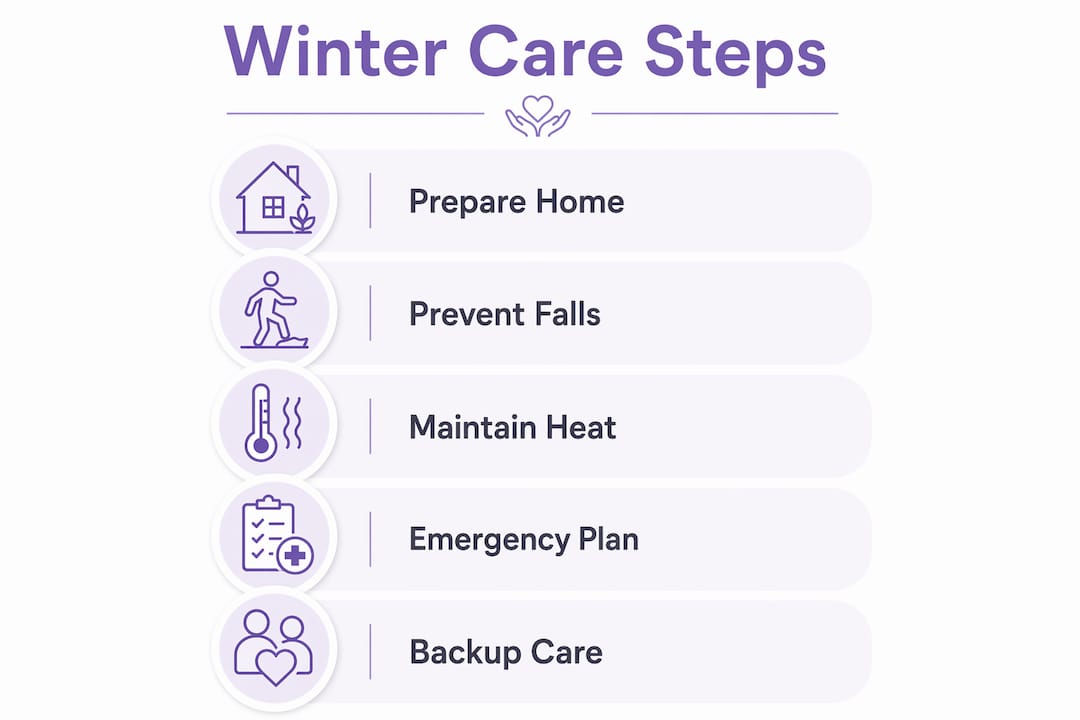
Winter emergency preparedness for elderly home care is not a one-time checklist. It is an ongoing practice that starts in September and gets updated after every significant weather event. Follow this sequence to build a plan that holds up under real conditions:
- Stock a multi-day supply reserve. Keep at least five days of food, water, and all prescription medications on hand at all times during winter months. Rotate stock monthly to prevent expiration.
- Identify and brief substitute caregivers. A well-planned substitute caregiver network with clear roles reduces missed medication doses and caregiver burnout during disruptive weather events. Assign specific responsibilities to each person in advance.
- Prepare the physical home. Clear all exterior hazards before a storm, confirm heating and plumbing systems are serviced, and insulate any exposed pipes in unheated spaces like basements or garages.
- Assemble an emergency kit. Include flashlights, batteries, a battery-powered radio, blankets, a manual can opener, copies of all medical documents, and a list of all medications with dosages. Account for mobility aids and any medical equipment that requires power.
- Establish a communication protocol. Designate a primary contact and a backup. Set a daily check-in time during winter storms. If the senior does not answer by a set time, the backup contact initiates a welfare check.
- Plan for evacuation. Know the nearest warming center and the route to get there. Confirm the senior’s mobility needs are accounted for in any evacuation scenario, including whether a wheelchair-accessible vehicle is required.
The caregivers’ survival guide for power outages and winter storms emphasizes that a multi-day backup window and a defined support team are the two factors that most reliably prevent care gaps when weather disrupts normal routines.
Key takeaways
Michigan winter home care challenges require layered preparation across home safety, health monitoring, plumbing maintenance, staffing contingencies, and emergency planning to protect elderly residents effectively.
| Point | Details |
|---|---|
| Fall prevention is the first priority | Install non-slip surfaces, clear ice from pathways, and secure all grab bars before winter begins. |
| Indoor temperature requires active monitoring | Check room-level temperatures where seniors spend time, not just the central thermostat reading. |
| Plumbing failure needs a pre-planned response | Know the main shutoff valve location, insulate pipes, and schedule furnace service in October. |
| Energy insecurity is a documented health risk | Nearly one in three older adults face unsafe cold homes; monitor utility costs and apply for assistance early. |
| Substitute caregivers prevent care gaps | Identify and brief at least three backup contacts before the first winter storm arrives. |
What I’ve learned from Michigan winters and elder care
Working alongside caregivers and families through Michigan winters has taught me one thing above all else: the families who struggle most are not the ones facing the worst conditions. They are the ones who waited until the first storm to start planning.
The risks covered in this article are not rare edge cases. Frozen pipes, indoor hypothermia, missed medications, and staffing gaps happen every single winter across Michigan. What separates a manageable situation from a crisis is almost always preparation that happened weeks earlier. I have seen families with modest resources handle brutal January cold snaps with confidence because they had a printed contact list, a stocked pantry, and a backup caregiver briefed and ready.
I have also seen the opposite. A family with every resource available, but no plan, scrambling during a power outage because nobody knew where the shutoff valve was or who to call when the primary caregiver could not get through.
The dignity and independence of an elderly person during winter depends on the decisions their caregivers make in September and October. Do not let the calm of fall convince you there is more time. There is not. Start the wellness and support planning now, before the first freeze makes it urgent.
— Michael
How Helping Hands Home Care supports Michigan families through winter
Winter care for elderly loved ones requires more than good intentions. It requires trained, reliable professionals who show up regardless of the season.

Helping-hands-home-care provides compassionate home health aid services designed to keep Michigan seniors safe, warm, and supported through every winter month. From daily personal care and medication reminders to home cleaning that reduces fall hazards, the team at Helping-hands-home-care is built to complement your family’s caregiving efforts. If you are managing cold weather home support for an elderly family member and need professional backup, contact Helping-hands-home-care to discuss a winter care plan tailored to your situation.
FAQ
What are the biggest winter home care risks for Michigan seniors?
The primary risks are indoor falls on ice-covered surfaces, indoor hypothermia from inadequate heating, frozen or burst pipes, and medication access gaps during storms. Each risk compounds the others when a caregiver cannot reach the senior due to road conditions.
How cold is too cold inside a home for an elderly person?
Elderly individuals can develop hypothermia indoors when room temperatures fall below safe levels, even without outdoor exposure. Caregivers should maintain living areas above 68°F and monitor individual rooms where the senior spends most of their time, not just the central thermostat.
How do I prepare for a winter power outage as a caregiver?
Stock at least five days of food, water, and medications. Identify substitute caregivers in advance, assemble an emergency kit with medical documents, and establish a daily check-in protocol. Insulin, inhalers, and anticoagulants require specific backup plans due to temperature sensitivity and dosing schedules.
Why do Michigan home care staffing shortages worsen in winter?
Road conditions, illness, and school closures cause caregiver call-outs during winter storms. Michigan nursing homes already operate with staffing minimums unchanged since 1978, so any additional disruption reduces care coverage significantly. Building a backup caregiver network before winter is the most reliable solution.
What home modifications reduce fall risk for seniors in winter?
Henry Ford Health’s Stay Home Safe program shows that targeted home modifications, including non-slip mats, secured grab bars, improved lighting, and cleared exterior pathways, measurably reduce fall incidents and emergency visits for elderly residents during winter months.
Recommended
- The Role of Home Caregiver: Responsibilities and Support | Helping Hands Home Care
- Home Care Services for Seniors: A Family Guide | Helping Hands Home Care
- How to Hire an In-Home Caregiver Step by Step | Helping Hands Home Care
- Why Hire a Professional Home Caregiver for Your Family | Helping Hands Home Care