
Michigan Senior Care Programs Explained for Families
Michigan Senior Care Programs Explained for Families

Michigan senior care programs are state and federally funded services that help older adults maintain independence, manage health needs, and avoid unnecessary nursing home placement. The major programs include MI Choice Waiver, the Program of All-Inclusive Care for the Elderly (PACE), the Home Help Program, and MI Coordinated Health (MICH). Each serves a different population with different eligibility rules, covered services, and cost structures. Understanding how these programs work together is the first step toward building a care plan that actually fits your situation or your parent’s needs.
What are the main Michigan senior care programs explained?
Michigan elder care options fall into four major categories: home and community-based waivers, integrated managed care plans, personal care programs, and veteran-specific benefits.
MI Choice Waiver delivers nursing-home-level care at home. It covers 20+ service categories, including personal care, adult day services, home modifications, and respite care. Participants must meet nursing facility level of care criteria and qualify financially for Medicaid. A standout feature is the Self-Determination Option, which lets participants act as employers and hire their own caregivers, including adult children or spouses. This option is underutilized despite giving seniors direct control over who provides their care.
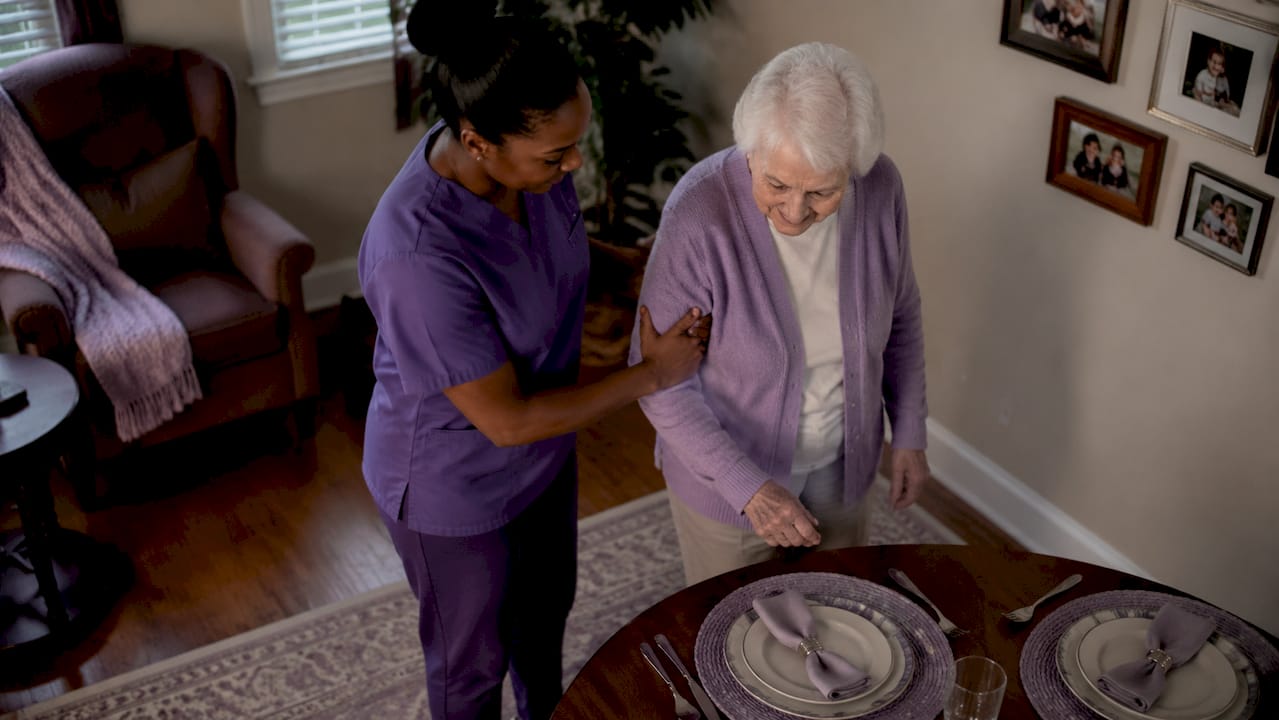
PACE (Program of All-Inclusive Care for the Elderly) functions as an all-in-one health system. It combines Medicare and Medicaid funding into one plan covering medical care, prescriptions, therapy, meals, transportation, and personal care. PACE operates across 24 locations in Michigan and is completely cost-free for dual-eligible participants. That means no copays, no premiums, and no separate billing for covered services.
The Home Help Program provides personal care assistance for Medicaid-eligible adults who need help with activities of daily living (ADLs) such as bathing, dressing, and meal preparation. Unlike MI Choice, the Home Help Program has no waitlist. That makes it a faster entry point for seniors who need immediate support.
MI Coordinated Health (MICH) is an integrated plan for full-benefit dual eligibles, combining Medicare Parts A, B, and D with Medicaid services. It carries no premiums and minimal copays. A statewide expansion is planned for 2027.
| Program | Best For | Cost to Participant | Waitlist |
|---|---|---|---|
| MI Choice Waiver | Nursing-home-level care at home | Minimal (Medicaid cost-sharing) | Yes, possible |
| PACE | Comprehensive all-in-one care | Free for dual eligibles | No |
| Home Help Program | ADL assistance only | Minimal | No |
| MICH | Dual-eligible managed care | No premiums, low copays | No |
| VA Benefits | Eligible wartime veterans | Varies by benefit | Varies |
Pro Tip: If your parent qualifies for both Medicare and Medicaid, PACE is often the most cost-effective option because it eliminates billing gaps between the two programs.
How do eligibility criteria differ among Michigan senior programs?
Eligibility for senior services in Michigan depends on three factors: age, medical need, and financial status. Most programs require applicants to be 65 or older, though some accept adults 18 and older with disabilities.
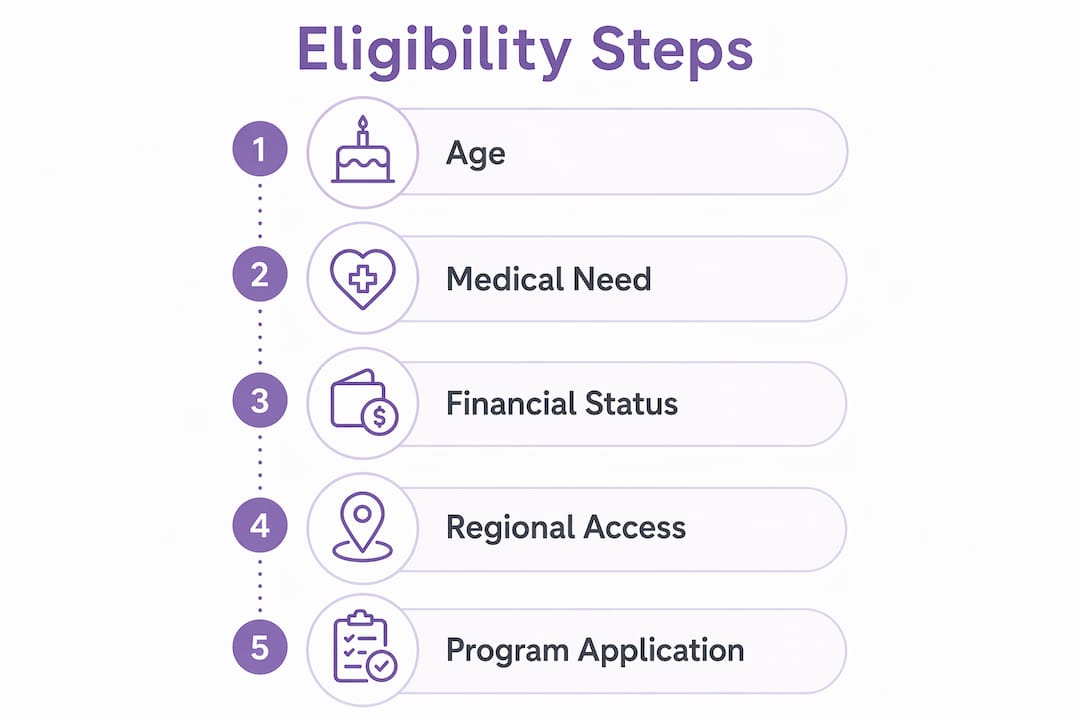
Medical eligibility for MI Choice Waiver requires a nursing facility level of care determination. This means a physician or assessor must confirm the person needs the kind of daily support typically provided in a nursing home. PACE uses the same standard. The Home Help Program uses a lower bar, requiring documented ADL needs without the nursing facility threshold.
Financial eligibility follows Medicaid income and asset rules. Michigan Medicaid income limits and asset thresholds apply to both MI Choice and Home Help. Married couples face different rules than single applicants, and certain assets like a primary home are exempt. Dual eligibility status, meaning the person qualifies for both Medicare and Medicaid, unlocks access to PACE and MICH.
Key eligibility differences at a glance:
- MI Choice Waiver: Medicaid-eligible, nursing facility level of care, Michigan resident, age 65+ or adult with disability
- PACE: Age 55+, nursing facility level of care, live in a PACE service area, dual-eligible preferred
- Home Help Program: Medicaid-eligible, documented ADL needs, no nursing facility threshold required
- MICH: Full-benefit dual eligibles only, no additional medical criteria
- VA Aid and Attendance: Wartime veteran status, medical need for daily assistance, income and asset limits apply
Regional access also varies. Michigan’s Area Agencies on Aging coordinate eligibility screening and referrals across counties. The AAA in Muskegon County operates differently from the one in Ottawa County, which means the specific services available and wait times can shift depending on where you live.
What regional resources do Area Agencies on Aging provide?
Michigan’s senior care system is not a single statewide program. It is a regional network coordinated by Area Agencies on Aging (AAAs), with each AAA tailoring services to the needs of its specific counties. AAAs work with networks of over 100 providers across Michigan to deliver services that state programs fund but do not directly operate.
AAA services typically include:
- Meals on Wheels and congregate dining programs
- Medical transportation to appointments and adult day programs
- Caregiver support groups and respite services for family members
- In-home assistance for light housekeeping, personal care, and companionship
- Person-Centered Options Counseling (PCOC) for care planning
PCOC is one of the most valuable and least-known services available. Through MI Options, Michigan offers free statewide options counseling that helps families map out care needs, identify eligible programs, and build a plan before a crisis forces a rushed decision. The Senior Alliance administers MI Options in Southeast Michigan, while other AAAs cover their own regions.
Pro Tip: Call your local AAA before applying to any state program. A PCOC counselor can identify programs you may not know about and help you gather the right documentation before you apply.
Regional variation matters more than most families expect. The West Michigan region served by Senior Resources of West Michigan offers different program combinations than the Upper Peninsula or metro Detroit. Knowing your county’s AAA is the starting point for understanding Michigan senior programs in your specific area.
How much do Michigan senior care programs cost?
Senior care costs in Michigan span a wide range depending on the setting and level of care. Private home care runs about $25 per hour, while nursing home costs reach a statewide median of $11,574 per month. In metro Detroit, nursing home costs climb to $14,260 per month. Those numbers make home-based programs financially attractive for most families.
Medicaid-funded programs like MI Choice and Home Help dramatically reduce out-of-pocket costs. Participants pay a “patient pay amount” based on their income, which is typically a small monthly contribution. PACE eliminates cost-sharing entirely for dual eligibles.
Funding sources that can cover or offset senior care costs:
- Medicaid: Covers MI Choice, Home Help, PACE, and nursing home care for eligible seniors
- Medicare: Covers short-term skilled nursing and home health after a qualifying hospital stay
- VA benefits: Aid and Attendance pension and caregiver stipends for eligible wartime veterans. Veteran caregivers may receive $2,500 to $4,500 or more monthly in tax-free stipends.
- Family Caregiver Agreements: Legal contracts that allow family members to be paid for caregiving. These agreements must be in writing before caregiving begins and require an elder law attorney to comply with Medicaid rules.
- Home equity and savings: Reverse mortgages or bridge loans can fund care while families await Medicaid approval
Family Caregiver Agreements are one of the most underused financial tools in Michigan elder care planning. Done correctly with an elder law attorney, they compensate family members fairly and protect assets from Medicaid spend-down requirements.
For families exploring financial assistance for home care, combining Medicaid programs with VA benefits or a Family Caregiver Agreement often produces the most affordable outcome.
What are the practical steps to access Michigan senior care services?
The single biggest mistake families make is waiting for a health crisis before exploring options. Crisis-driven decisions lead to rushed nursing home placements that could have been avoided with earlier planning. Early planning through free counseling prevents that outcome.
Follow these steps to access Michigan senior care services:
- Contact MI Options or your local AAA. Request a free Person-Centered Options Counseling session. This is the fastest way to identify which programs your parent qualifies for.
- Gather financial and medical documentation. Medicaid applications require income records, bank statements, property documents, and a physician’s assessment of care needs.
- Apply for Medicaid if not already enrolled. Michigan’s Department of Health and Human Services (MDHHS) processes Medicaid applications. An AAA counselor or elder law attorney can help with this step.
- Ask about the Self-Determination Option. If your parent enrolls in MI Choice, request information about hiring a trusted family caregiver directly through this option.
- Consult an elder law attorney for Family Caregiver Agreements. If a family member will provide paid care, the agreement must be signed before services begin.
- Explore VA benefits if applicable. Veterans should contact their local VA office or a Veterans Service Organization (VSO) to screen for Aid and Attendance and Veteran-Directed Care.
For county-specific guidance, the Macomb County in-home care guide from Helping-hands-home-care covers local program access in detail.
Key Takeaways
Michigan senior care programs work best when families start planning early, combine multiple funding sources, and use free regional counseling services to navigate eligibility.
| Point | Details |
|---|---|
| Start with MI Options | Free Person-Centered Options Counseling identifies eligible programs before a crisis forces a rushed decision. |
| PACE eliminates cost-sharing | Dual-eligible seniors pay nothing for PACE services, making it the most cost-effective option for qualifying individuals. |
| Home Help has no waitlist | Medicaid-eligible seniors needing ADL support can access Home Help faster than MI Choice Waiver. |
| Family Caregiver Agreements require advance planning | These contracts must be signed before caregiving begins and need an elder law attorney to protect Medicaid eligibility. |
| Regional AAAs shape your options | Services and wait times vary by county, so contacting your local Area Agency on Aging is the essential first step. |
What families get wrong about Michigan senior care planning
Most families I talk with assume Michigan has one senior care system with a single application. That assumption costs them time, money, and options. Michigan’s elder care network is genuinely regional. What works in Grand Rapids may not be available the same way in Flint or the Upper Peninsula.
The other pattern I see repeatedly is families discovering the Self-Determination Option only after their parent has been in MI Choice for months. That option lets your parent hire someone they already trust, including a family member, as a paid caregiver. It changes the entire dynamic of care. Most families never hear about it because no one proactively explains it during enrollment.
Family Caregiver Agreements are similar. Families often start informal caregiving arrangements and then try to formalize them later. That approach fails Medicaid rules. The agreement must exist before the first day of paid caregiving. An elder law attorney is not optional here. The cost of that consultation is small compared to the asset protection and compensation it enables.
My strongest advice is to use MI Options before you think you need it. The counseling is free, the counselors know the system deeply, and the session will surface programs and options you would not find on your own. Waiting until a hospital discharge forces a decision is the most expensive mistake a Michigan family can make.
— Michael
How Helping-hands-home-care supports Michigan seniors at home
Helping-hands-home-care provides personalized home health aide services that work alongside Michigan’s state programs, filling gaps that Medicaid-funded care does not always cover. Whether your parent needs daily personal care, light housekeeping, or therapeutic massage for comfort and mobility, Helping-hands-home-care builds a care plan around their specific needs. The team also offers professional house cleaning services to keep living environments safe and comfortable. Contact Helping-hands-home-care to schedule a consultation and find out how private home care can complement the state benefits your family has already secured.
FAQ
What is the MI Choice Waiver in Michigan?
MI Choice Waiver is a Medicaid program that delivers nursing-home-level care at home, covering more than 20 service categories including personal care, adult day services, and home modifications. Participants must meet nursing facility level of care criteria and qualify for Medicaid.
Who qualifies for PACE in Michigan?
Adults age 55 and older who meet nursing facility level of care criteria and live within a PACE service area qualify. PACE is free for dual-eligible participants who have both Medicare and Medicaid.
Does Michigan have a senior care program with no waitlist?
The Home Help Program has no waitlist and provides personal care assistance for Medicaid-eligible adults with documented ADL needs. It is the fastest entry point for seniors who need immediate support.
How do Area Agencies on Aging help Michigan seniors?
Area Agencies on Aging coordinate local networks of over 100 providers to deliver nutrition, transportation, caregiver support, and in-home assistance. They also provide free Person-Centered Options Counseling through MI Options.
Can a family member be paid to care for a Michigan senior?
Yes, through a Family Caregiver Agreement or the Self-Determination Option under MI Choice Waiver. The agreement must be in writing and signed before caregiving begins, and an elder law attorney should be involved to protect Medicaid eligibility.
Recommended
- Michigan Winter Home Care Challenges: A Caregiver’s Guide | Helping Hands Home Care
- Macomb County In-Home Care Options: 2026 Guide | Helping Hands Home Care
- Home Care Services for Seniors: A Family Guide | Helping Hands Home Care
- Examples of Personal Care Assistance for Elderly Families | Helping Hands Home Care