
End of Life Home Care: A Complete Family Guide
End of Life Home Care: A Complete Family Guide
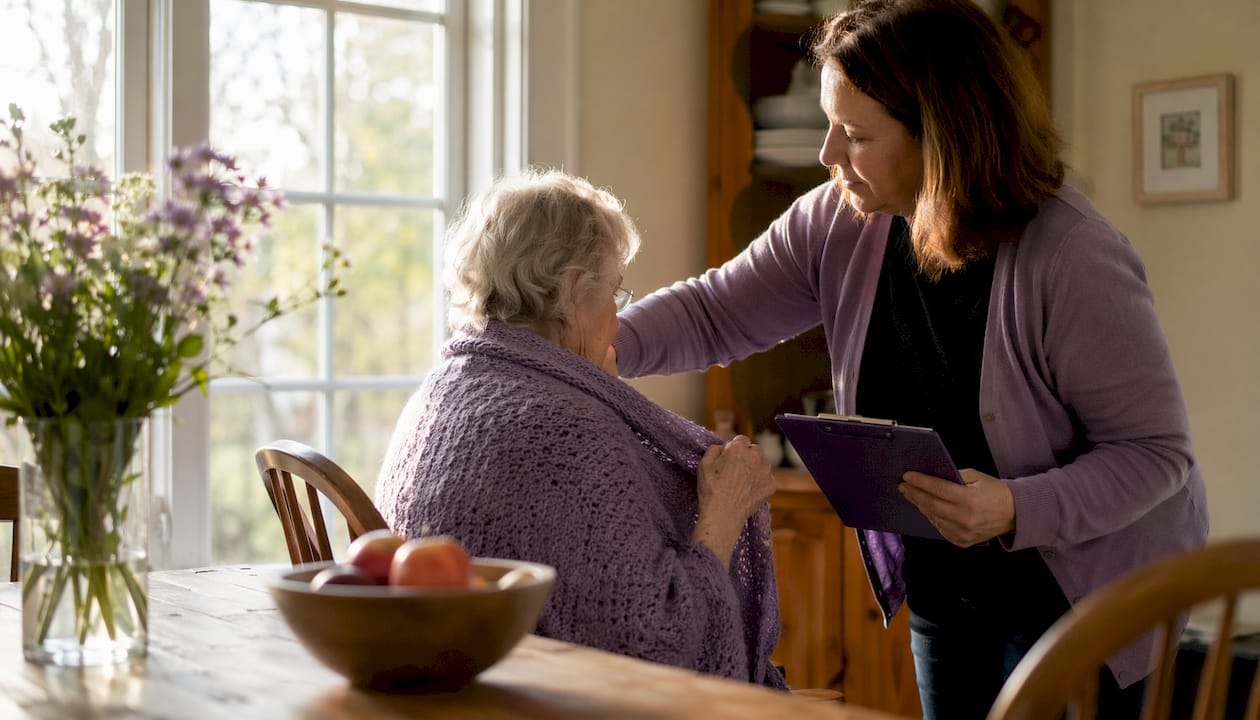
End-of-life home care is defined as comfort-focused support provided in a patient’s own home during the final months or weeks of life, with the goal of maximizing dignity and quality of life rather than pursuing curative treatment. This form of care, formally known in clinical settings as home-based hospice or palliative care, covers medical symptom management, emotional support, and daily personal assistance. Approximately 95% of hospice patients receive care at home or outside a hospital. That figure tells you something important: for most families, home is where this chapter of life actually unfolds.
What is end of life home care, and what does it include?
End-of-life home care is a coordinated system of support that brings medical, emotional, and practical help directly into the home. It does not mean a patient is abandoned by the medical system. It means the medical system reorganizes around the patient’s comfort rather than around treatment.
The services families can expect fall into several clear categories:
- Medical symptom management: Registered nurses visit regularly to assess pain, breathing, and other symptoms. They adjust medications and coordinate with the attending physician.
- Medication and equipment provision: Hospice programs typically supply pain medications, hospital beds, wheelchairs, and oxygen equipment at no additional cost under Medicare hospice benefits.
- Nursing oversight and on-call support: Nurses are available by phone around the clock, even when not physically present in the home.
- Emotional and spiritual support: Hospice care teams include nurses, social workers, chaplains, and trained volunteers who support both patients and families through grief, fear, and practical decisions.
- Respite care: Short-term relief for family caregivers, allowing them to rest without leaving their loved one without supervision.
- Personal care assistance: Home health aides help with bathing, dressing, grooming, and feeding.
The interdisciplinary team model is what separates home-based end-of-life care from standard home nursing visits. No single professional handles everything. A social worker addresses family conflict or financial stress. A chaplain addresses spiritual questions. A nurse manages physical symptoms. Each role is distinct and necessary.
Pro Tip: Ask the hospice intake coordinator for a written schedule of which team members will visit and how often. Families who know what to expect report significantly less anxiety during the first two weeks of care.

How do hospice care and palliative care differ in home settings?
89% of Americans lack adequate knowledge of palliative care, frequently confusing it with hospice. That confusion leads families to delay requesting support they could access much earlier. The distinction matters practically, not just academically.
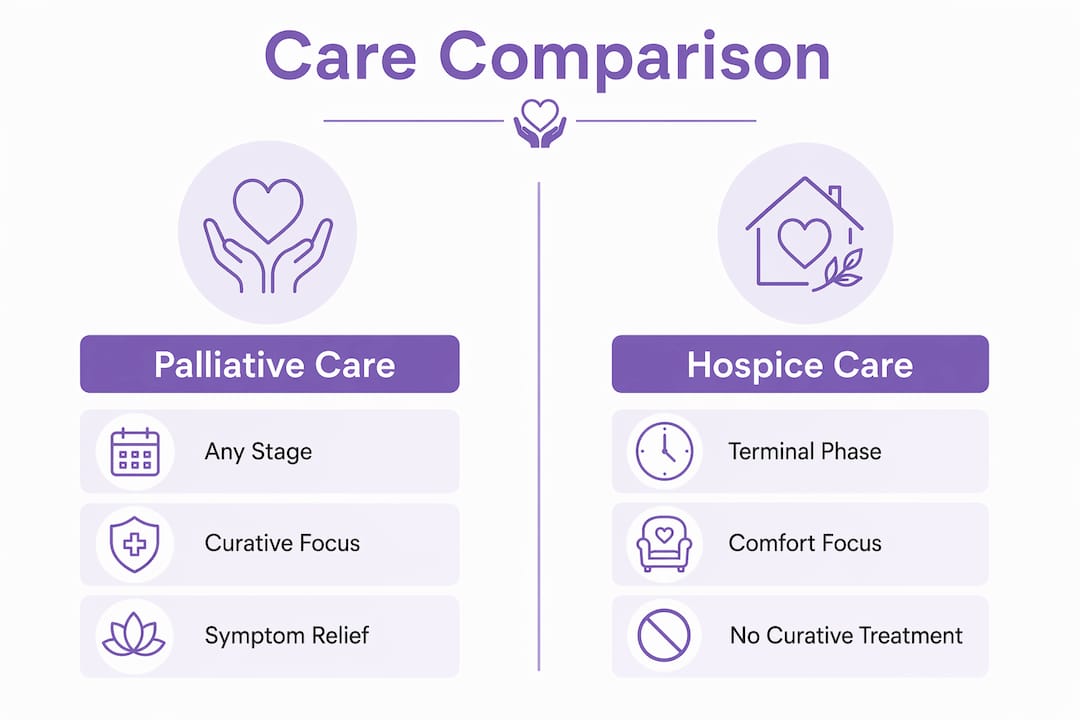
Palliative care is supportive care that can begin at any stage of a serious illness, including alongside active curative treatment. A person receiving chemotherapy for cancer can simultaneously receive at home palliative care to manage nausea, fatigue, and anxiety. Palliative care does not require a terminal prognosis.
Hospice care is specifically reserved for the final phase of life. Hospice eligibility requires physician certification that a terminal illness carries an expected life expectancy of six months or less. Once a patient enrolls in hospice, the focus shifts entirely to comfort. Curative treatments are no longer the priority. Medicare’s hospice benefit covers this care, but it requires the patient to formally waive Medicare coverage for curative treatment of the terminal diagnosis.
The table below summarizes the key differences:
| Feature | Palliative care | Hospice care |
|---|---|---|
| When it begins | Any stage of serious illness | Terminal prognosis of 6 months or less |
| Goal | Comfort alongside curative treatment | Comfort only; curative treatment stopped |
| Medicare coverage | Covered under standard Medicare Part B | Covered under Medicare Hospice Benefit |
| Care setting | Home, clinic, or hospital | Primarily home-based |
| Prognosis required | No | Yes, physician-certified |
Hospice is reserved for the final phase of life when curative treatments are no longer preferred, while palliative care can begin earlier at any illness stage. Families who understand this distinction can request palliative support months or even years before hospice becomes appropriate. That early access to home-based palliative care reduces suffering and prepares the household for what comes later.
What responsibilities do family caregivers have in end-of-life home care?
Family caregivers carry the heaviest load in home-based end-of-life care. Home hospice care requires family or private caregivers to provide most daily hands-on care, with hospice nurses offering intermittent visits and 24/7 on-call phone support. Most families do not realize this until they are already in the middle of it.
The daily tasks a family caregiver typically handles include:
- Personal hygiene: Bathing, oral care, hair care, and skin care to prevent pressure sores.
- Feeding and hydration: Preparing meals, assisting with eating, and managing changes in appetite as the illness progresses.
- Medication administration: Giving oral medications on schedule and monitoring for side effects.
- Positioning and mobility: Turning a bedridden patient every two hours to prevent pressure injuries.
- Emotional presence: Sitting with the patient, reading aloud, playing music, and simply being there.
- Communication with the hospice team: Reporting changes in symptoms, calling the on-call nurse when something shifts, and keeping records of what the patient experiences each day.
Caregiver burnout is a documented and serious risk. Physical exhaustion, sleep deprivation, and grief compound each other. Hospice care is family-centered and provides respite breaks specifically to prevent caregiver burnout. Families should use these breaks without guilt. A caregiver who collapses cannot provide care.
Building a support network beyond the hospice team is not optional. It is a practical necessity. Identify two or three people who can rotate overnight shifts, handle grocery runs, or sit with the patient for a few hours each week. Assign tasks clearly rather than asking for general help. Specific requests get fulfilled. Vague requests get forgotten.
Pro Tip: Keep a simple daily log noting the patient’s pain level, medications given, food and fluid intake, and any behavioral changes. This log becomes your most useful tool during hospice nurse visits and prevents repeated conversations about what happened three days ago.
How can families prepare the home environment for end-of-life care?
Preparing for home hospice care reduces fear and uncertainty, supporting safety and predictable routines. The home does not need to become a clinical facility. It needs to become a place where care can happen without friction.
Small environmental changes like clearing pathways and establishing a dedicated care space reduce caregiver stress and improve patient comfort. Start with the physical layout before any equipment arrives.
Practical steps to prepare the home include:
- Clear all pathways: Remove rugs, furniture, and clutter from hallways and the patient’s room. Wheelchairs and hospital beds require wide, unobstructed paths.
- Set up a dedicated care space: Move the patient to a ground-floor room if possible. The room should have space for a hospital bed, a bedside table, and a chair for caregivers. Good lighting and ventilation matter more than aesthetics.
- Organize a hospice binder: A centralized binder containing medications, emergency contacts, advance directives, insurance documents, and the hospice care plan speeds decision-making during a crisis. Every caregiver in the home should know where it is.
- Simplify visitor flow: Designate a specific entry point for visitors and a quiet area away from the patient’s room for family conversations. Constant foot traffic through the care space disrupts rest.
- Install safety equipment: Grab bars in the bathroom, a raised toilet seat, and a bedside commode reduce fall risk and make personal care easier for both patient and caregiver.
A detailed home safety preparation guide can walk families through each modification step by step. The goal is a space that feels like home and functions like a care environment at the same time.
Early engagement with hospice improves quality of life and prepares families emotionally and logistically. Starting these home modifications before the patient’s condition declines significantly gives everyone more time and less stress.
Key Takeaways
End-of-life home care succeeds when families understand the difference between hospice and palliative care, prepare the home environment early, and build a caregiver support network before burnout sets in.
| Point | Details |
|---|---|
| Home is the primary setting | 95% of hospice patients receive care at home, not in a hospital. |
| Hospice vs. palliative care | Palliative care starts at any illness stage; hospice requires a 6-month terminal prognosis. |
| Family carries daily care | Hospice nurses visit intermittently; family or hired caregivers handle most hands-on tasks. |
| Home preparation reduces stress | Clearing pathways, setting up a care space, and organizing a hospice binder prevent crisis delays. |
| Respite care prevents burnout | Hospice programs provide scheduled caregiver breaks; use them consistently. |
What I’ve learned from watching families navigate this
Most families come to end-of-life home care believing the hospice team will be there constantly. That expectation, left uncorrected, causes real harm. When the nurse leaves after a two-hour visit and the family is alone with a patient in pain, the gap between expectation and reality can feel like abandonment. It is not. But families need to know the truth before they are in that moment, not during it.
The families I have seen handle this well share one trait: they asked hard questions early. They called the hospice intake coordinator before enrollment and asked exactly how many hours of nursing they would receive each week. They asked what to do at 3:00 AM when the patient cannot breathe comfortably. They asked who makes the call if the patient’s condition changes rapidly. Knowing the answers in advance transforms a terrifying situation into a manageable one.
The other thing I would tell any family is this: do not wait until the patient is in crisis to talk openly about home care options. The conversations that happen early, when everyone still has energy and clarity, produce better decisions than the ones that happen in a hospital hallway at midnight. Dignity in dying is not a passive outcome. It is something families actively create through preparation, communication, and the willingness to ask for help.
— Michael
How Helping-hands-home-care supports families through end-of-life care
Families navigating end-of-life care at home need more than medical support. They need reliable, compassionate help with the daily tasks that keep a loved one comfortable and a household functioning.
Helping-hands-home-care provides home health aide services that complement hospice programs directly. Aides assist with personal care, daily routines, and the hands-on tasks that family caregivers cannot always manage alone. Helping-hands-home-care also offers house cleaning services to maintain a safe, sanitary environment for patients receiving care at home. For families seeking additional comfort measures, therapeutic massage is available to help relieve pain and promote relaxation. Contact Helping-hands-home-care to discuss a care plan tailored to your family’s specific situation.
FAQ
What is the difference between hospice and end-of-life home care?
Hospice care is one type of end-of-life home care, specifically for patients with a terminal prognosis of six months or less. End-of-life home care is a broader term that includes both hospice and palliative support provided in the home setting.
Does Medicare cover end-of-life home care?
Medicare covers hospice care under the Medicare Hospice Benefit when a physician certifies a terminal illness with a life expectancy of six months or less. Palliative care services may be covered separately under Medicare Part B depending on the services provided.
How long can someone receive hospice care at home?
Hospice care is available as long as the patient meets the eligibility criteria, which requires a physician to recertify the terminal prognosis every 60 days. There is no fixed maximum duration if the patient continues to qualify.
Who provides the daily care in home hospice?
Family members or privately hired caregivers provide most daily hands-on care. Hospice nurses, aides, and social workers make scheduled visits and remain available by phone around the clock, but they are not present in the home continuously.
When should a family consider end-of-life home care?
Families should consider end-of-life care options as soon as a serious illness is diagnosed, since palliative care can begin at any stage. Recognizing early signs that home care is needed allows families to plan before a crisis forces the decision.
Recommended
- Home Care Services for Seniors: A Family Guide | Helping Hands Home Care
- Talking to Parents About Home Care: A Family Guide | Helping Hands Home Care
- Palliative Care at Home Explained for Families | Helping Hands Home Care
- Home Care vs. Adult Day Programs: Family Guide 2026 | Helping Hands Home Care