
Palliative Care at Home Explained for Families
Palliative Care at Home Explained for Families
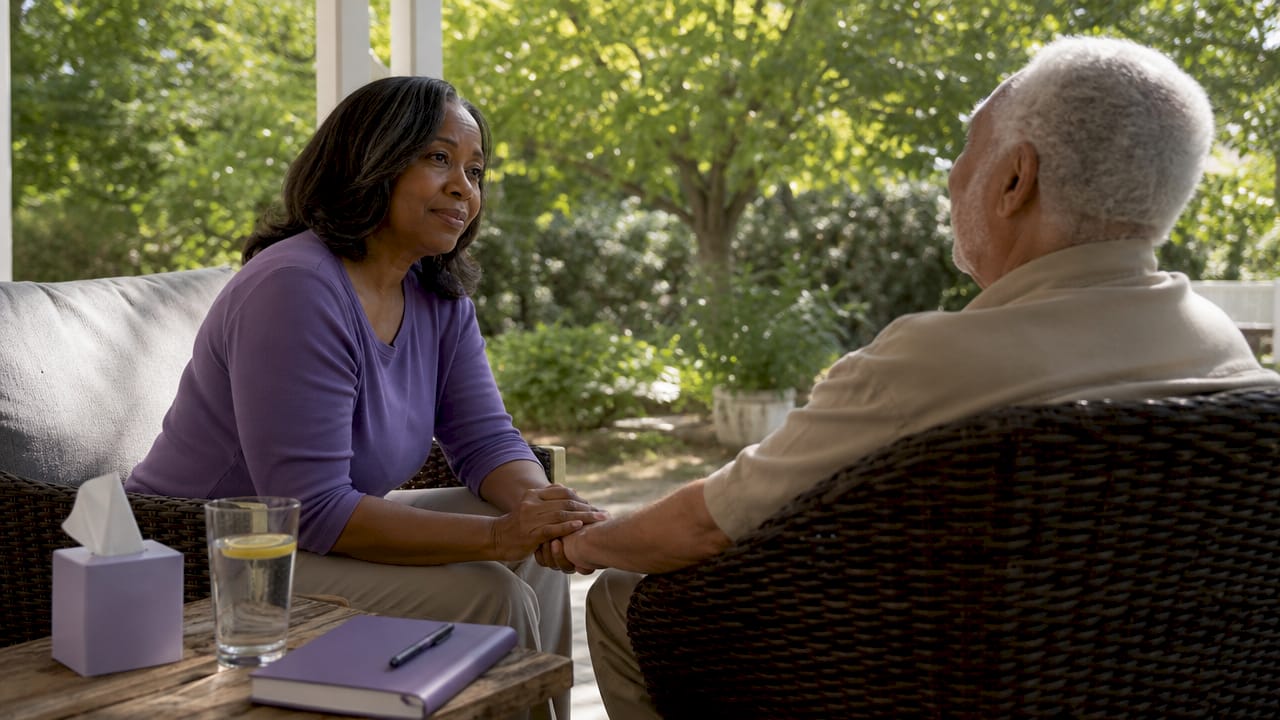
Palliative care at home is defined as specialized medical and emotional support delivered in a patient’s own home to relieve symptoms, reduce suffering, and improve quality of life during serious illness. The formal industry term is “home-based palliative care,” and it applies at any stage of illness, not just at the end of life. Families caring for elderly loved ones with conditions like advanced cancer, heart failure, or COPD often find this model far less disruptive than repeated hospital stays. This guide covers what home palliative care includes, how it differs from hospice, what the real benefits and challenges look like, and how to prepare your home and yourself before care begins.
What does palliative care at home include and how does it work?
Home-based palliative care delivers a coordinated set of services directly to the patient’s living space. The goal is not to cure illness but to manage its effects so the patient can live as comfortably as possible. Palliative care emphasizes symptom relief and quality of life from the moment of diagnosis, which sets it apart from purely curative medicine.
The core services typically include:
- Symptom management: Pain control, relief from breathlessness, nausea management, and anxiety reduction
- Nursing visits: Registered nurses assess the patient, adjust medications, and train family caregivers on daily tasks
- Home health aides: Aides assist with bathing, dressing, and mobility to preserve the patient’s dignity
- Social workers: They connect families to financial resources, counseling, and community programs
- Chaplains or spiritual counselors: They address existential concerns for both the patient and the family
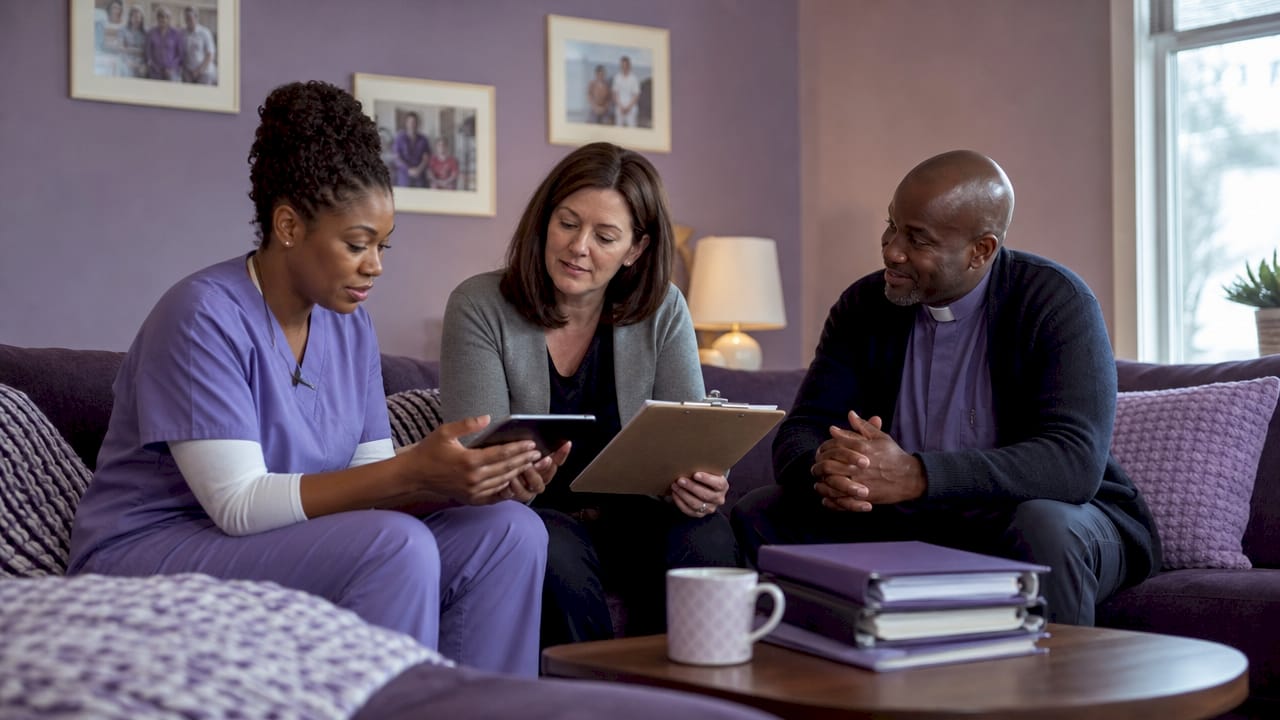
The interdisciplinary care team typically includes registered nurses, aides, social workers, and chaplains working together. That coordination matters because no single professional can address every dimension of serious illness alone.
Visit frequency varies by need. Some patients receive daily nursing visits during a health crisis, while others see a nurse two or three times per week during stable periods. The care team holds regular goal-setting conversations with the family to adjust the plan as the patient’s condition changes. Medical equipment such as hospital beds, oxygen concentrators, and IV medication pumps can be delivered and set up at home.
Pro Tip: Ask the care team to walk you through every piece of medical equipment before the first day of solo caregiving. Knowing how to operate an oxygen concentrator or a pain medication pump reduces panic during nighttime emergencies.
How is palliative care different from hospice and other home services?
Families often confuse palliative care with hospice care. The distinction is clinically significant and affects eligibility, timing, and what treatments remain available.
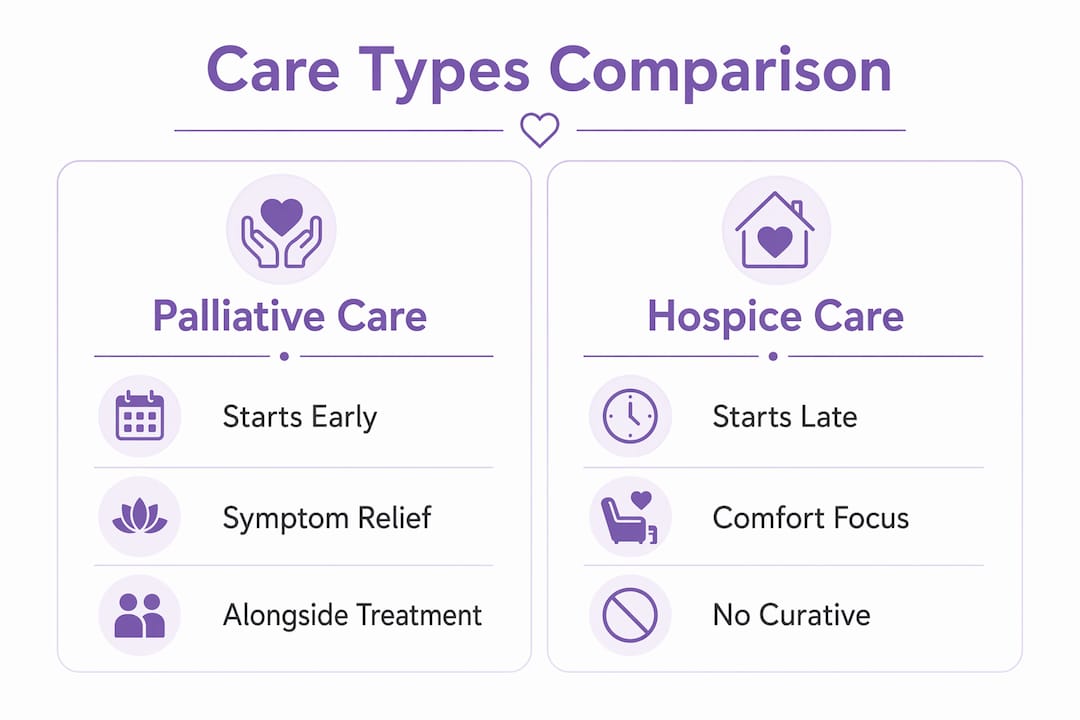
Palliative care begins at any serious illness stage alongside curative treatments, while hospice starts only when a physician certifies that curative treatment has stopped and life expectancy is six months or less. A patient receiving chemotherapy for lung cancer can receive palliative care simultaneously. That same patient would not qualify for hospice until treatment ends.
The table below compares the four most common care types families encounter.
| Care type | When it starts | Goal | Curative treatment | Typical funding |
|---|---|---|---|---|
| Palliative care | Any illness stage | Comfort + quality of life | Continues | Medicare, Medicaid, private insurance |
| Hospice care | Life expectancy ≤ 6 months | Comfort only | Stops | Medicare Hospice Benefit |
| Home health care | After hospitalization or injury | Recovery and rehabilitation | Continues | Medicare Part A/B |
| Adult day programs | Any stage | Daytime supervision and socialization | Continues | Medicaid waiver, private pay |
Home health care focuses on recovery after a specific medical event, such as a hip replacement or a stroke. It is time-limited and tied to measurable rehabilitation goals. Palliative care, by contrast, has no defined endpoint and adjusts to the patient’s evolving needs. For a deeper look at differences between care types, the distinctions in funding and eligibility matter when planning long-term budgets.
The most common misconception is that choosing palliative care means giving up. It does not. Patients who receive early palliative care alongside standard treatment often report better symptom control and, in some cases, better outcomes than those who delay comfort-focused support.
What are the benefits and challenges of palliative care at home?
The benefits of home-based palliative care are well-documented and extend beyond physical comfort.
Survival and outcomes: Metastatic lung cancer patients receiving early palliative care at home lived an average of 2.7 months longer than those receiving standard care alone. That finding challenges the assumption that focusing on comfort shortens life.
Reduced hospitalizations: A 2026 study published in the British Journal of Cancer found that early home palliative support reduced median emergency department visits from 3 to 1 and cut inpatient hospital days by 10. Fewer hospitalizations mean less disruption, less exposure to hospital-acquired infections, and lower costs.
Cost: Home-based hospice care costs $150–$200 per day, compared to over $1,200 per day for hospital-based palliative care. For families managing long-term illness, that difference is financially decisive. Resources on financial assistance for home care can help families identify coverage options before costs accumulate.
The challenges are equally real and deserve honest attention:
- Caregiver burden: The bulk of daily care rests on family members, even when clinical staff visit regularly. Fatigue, sleep deprivation, and emotional strain are common.
- Emergency gaps: Without adequate support, families may call 911 for situations the care team could have managed, which drives up costs and distress.
- Home environment demands: Not every home is physically suited for medical care without modifications.
- Emotional weight: Watching a loved one decline at home is deeply personal and can be harder to compartmentalize than a hospital setting.
Caregiver burnout is a major risk when respite care is not arranged early. Burnout does not just harm the caregiver. It directly reduces the quality of care the patient receives.
Pro Tip: Schedule respite care before you think you need it. Waiting until you are exhausted means the patient goes without consistent support during the transition. Most palliative programs can connect you with respite services in advance.
How can families prepare their home and themselves for palliative care?
Preparation done before the first clinical visit prevents chaotic transitions and reduces family stress. Home environment setup is a critical step that families consistently underestimate. The following steps create a workable foundation.
- Rearrange furniture for mobility. Clear pathways wide enough for a wheelchair or walker. Remove rugs that create tripping hazards. Move the patient’s sleeping area to the ground floor if stairs are a barrier.
- Install safety equipment. Grab bars in the bathroom, a raised toilet seat, and non-slip mats reduce fall risk. A hospital bed with adjustable height makes nursing tasks safer for both the patient and the caregiver.
- Organize medical supplies. Designate one area for medications, wound care supplies, and equipment. Label everything clearly. Keep an updated medication list visible for emergency responders.
- Document the patient’s care preferences. Write down the patient’s goals, values, and wishes before care begins. Documenting patient wishes early reduces conflict and confusion when decisions become urgent. Include advance directives and do-not-resuscitate orders if applicable.
- Build a communication plan with the care team. Identify one family point of contact for all clinical communications. Establish how and when to reach the on-call nurse after hours. Know the difference between symptoms to monitor and symptoms requiring an immediate call.
- Arrange respite coverage in advance. Identify a neighbor, friend, or professional aide who can cover for you during planned breaks. Review caregiver responsibilities and support options so you understand what tasks you can delegate.
- Plan for condition changes. Ask the care team what to expect as the illness progresses. Knowing in advance what a decline looks like reduces panic and helps you respond calmly rather than reactively.
Families who complete these steps before care begins report smoother transitions and greater confidence in their caregiving role. Preparation is not pessimism. It is the most caring thing you can do.
Key Takeaways
Home-based palliative care improves quality of life, reduces hospitalizations, and costs far less than inpatient care, but it requires deliberate preparation and early caregiver support to succeed.
| Point | Details |
|---|---|
| Palliative care starts early | It begins at any illness stage alongside curative treatment, not only at end of life. |
| Care teams are interdisciplinary | Nurses, aides, social workers, and chaplains each address a different dimension of patient need. |
| Home care costs far less | Home-based care costs $150–$200 per day versus over $1,200 per day in a hospital setting. |
| Preparation prevents crisis | Furniture changes, safety equipment, and documented wishes must be in place before the first visit. |
| Caregiver burnout is preventable | Arranging respite care early protects both the caregiver’s health and the patient’s care quality. |
What I’ve learned from watching families navigate this
Most families come to palliative care thinking the hard part is the medical side. After years of working alongside caregivers, I’ve found the harder part is almost always the emotional and logistical side.
The families who do best are the ones who treat communication as a clinical tool, not just a courtesy. Clear, honest conversations about goals of care reduce caregiver stress and prevent the kind of last-minute decisions that families later regret. Write things down. Share them with the care team. Revisit them as the situation changes.
The second thing I’ve seen families consistently underestimate is their own limits. Caregiving for a seriously ill person at home is physically and emotionally demanding in ways that are hard to predict until you are in it. The families who plan for respite care before they feel they need it are the ones who last. The ones who push through alone often hit a wall at the worst possible moment.
Providing care at home for someone you love is one of the most meaningful things a person can do. It is also one of the hardest. Give yourself permission to ask for help, use professional support, and take breaks. That is not weakness. That is how good care stays good.
— Michael
How Helping-hands-home-care supports families through this
Families providing palliative care at home need more than clinical visits. They need consistent, reliable daily support between those visits.
Helping-hands-home-care provides professional home health aid services that assist with personal care, mobility, and daily routines for elderly patients. These services directly reduce the burden on family caregivers and help maintain a safe, comfortable home environment. Helping-hands-home-care also offers house cleaning services to keep the home sanitary and organized during care periods, which matters more than most families expect when medical equipment and supplies fill the space. Contact Helping-hands-home-care to discuss which services fit your loved one’s current needs and your family’s schedule.
FAQ
What is palliative care at home?
Palliative care at home is specialized medical and emotional support provided in a patient’s residence to manage symptoms and improve quality of life during serious illness. It can begin at any stage of illness and continues alongside curative treatments.
Is palliative care the same as hospice care?
No. Palliative care starts at diagnosis and continues with curative treatment, while hospice care begins only when curative treatment stops and life expectancy is six months or less, per the Merck Manual.
How much does home palliative care cost compared to hospital care?
Home-based care costs $150–$200 per day, while hospital-based palliative care exceeds $1,200 per day. Medicare, Medicaid, and most private insurance plans cover home palliative services.
Who is on a home palliative care team?
A typical team includes registered nurses, home health aides, social workers, and chaplains. Each professional addresses a different aspect of the patient’s physical, emotional, and spiritual needs.
When should families start planning for home palliative care?
Families should begin planning as soon as a serious diagnosis is confirmed, not when the patient’s condition becomes critical. Early planning allows time for home preparation, caregiver training, and respite care arrangements before a health crisis occurs.
Recommended
- Why Home Care Improves Recovery for Elderly Patients | Helping Hands Home Care
- Home Care Services for Seniors: A Family Guide | Helping Hands Home Care
- The Role of Home Caregiver: Responsibilities and Support | Helping Hands Home Care
- Types of Wellness Services at Home: 2026 Guide | Helping Hands Home Care