
How to Reduce Rehospitalization for Seniors in Detroit
How to Reduce Rehospitalization for Seniors in Detroit
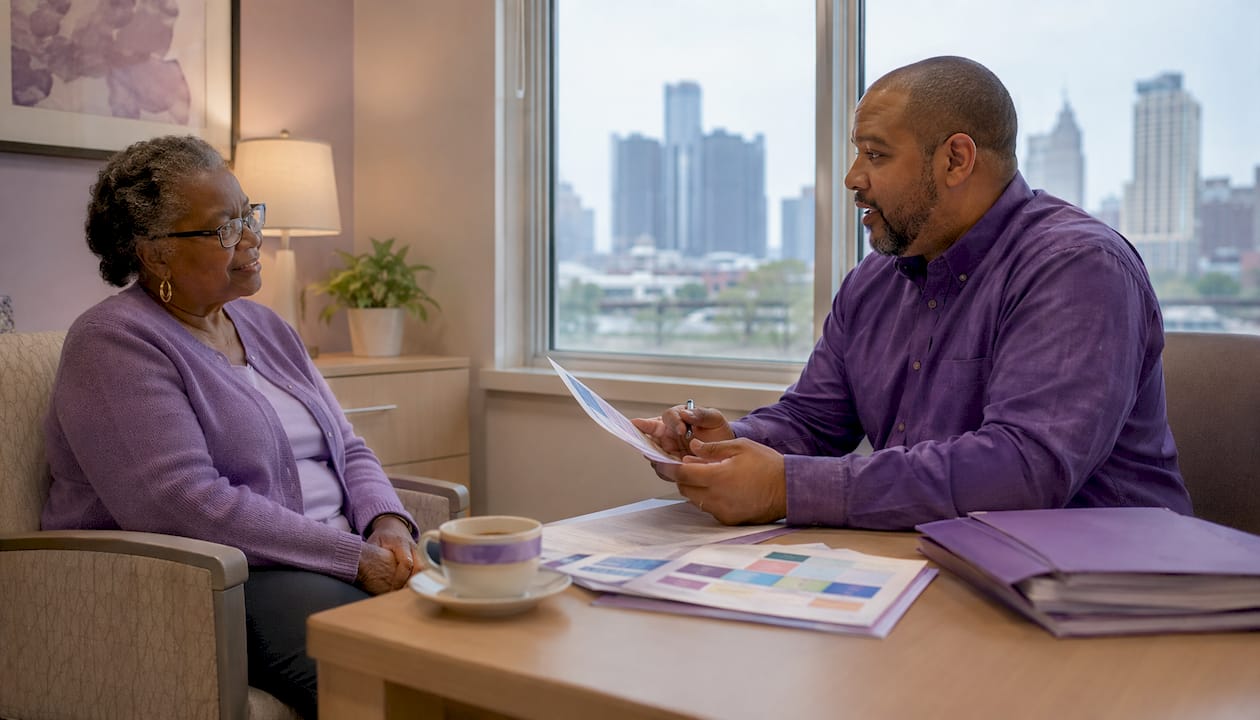
What actually works to reduce rehospitalization for seniors in Detroit
Hospital readmissions for seniors are expensive, exhausting, and often preventable. About 20% of Medicare patients were readmitted within 30 days of discharge before targeted interventions became standard, and CMS now reduces hospital payments for excess readmissions under the Hospital Readmissions Reduction Program, with reductions capped by regulation. For Detroit families, that policy pressure translates into real hospital investment in better discharge processes, which you can use to your advantage.
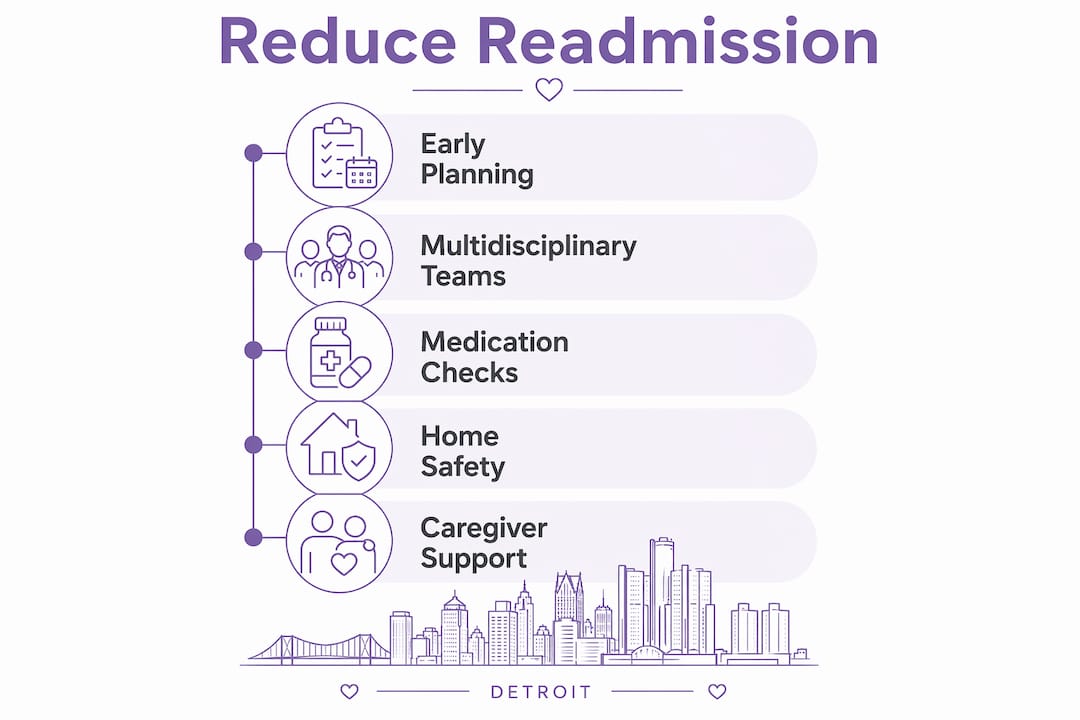
The strategies that consistently move the needle combine several elements working together:
- Multidisciplinary teams coordinating hospitalists, nurses, pharmacists, social workers, and physical therapists before discharge
- Structured transitions of care with written after-hospital plans and follow-up appointments scheduled promptly after discharge
- Medication reconciliation confirmed before the senior leaves the building
- Fall risk reduction through home safety assessments and targeted modifications
- Home care support services bridging the gap between hospital and full recovery
- Caregiver education so family members know exactly what to watch for in the first two weeks
Detroit seniors, particularly African American elders who face higher 30-day readmission rates than their white counterparts, benefit most from interventions that combine inpatient discharge planning with outpatient follow-up. Isolated interventions rarely hold. Helping-hands-home-care works alongside these clinical strategies to provide the in-home support that keeps recovery on track after discharge.
Pro Tip: Ask the hospital discharge planner on day one of admission, not the day before discharge. Early involvement gives you time to arrange home care, equipment, and follow-up appointments before the clock starts.
How multidisciplinary teams lower readmission rates
No single clinician can catch every risk factor that leads a senior back to the emergency room. A well-coordinated team, including a hospitalist, bedside nurse, physical therapist, social worker, pharmacist, and care coordinator, covers the blind spots that solo providers miss.
The pharmacist catches drug interactions the prescribing physician may not flag. The physical therapist identifies mobility deficits before discharge that predict falls at home. The social worker surfaces housing instability or food insecurity that no clinical note captures. When these roles communicate through structured handoffs rather than siloed charting, the result is a discharge plan that actually fits the patient’s life.
“Successful interventions to reduce readmissions among older African Americans should include both inpatient and outpatient care components at a minimum, with a multidisciplinary care team that includes a pharmacist and a care coordinator with advanced nursing certification.” — Systematic review, PMC 2023
Detroit-area hospitals with dedicated fall prevention programs have seen meaningful reductions in readmissions tied to falls, according to local clinical experience. The model works because it assigns accountability: someone owns fall risk assessment, someone owns the home safety referral, and someone follows up after discharge.
A team-based approach in practice looks like this:
- Pharmacist conducts medication reconciliation on admission and again at discharge
- Physical therapist completes a functional mobility assessment before discharge day
- Social worker screens for social determinants of health including transportation and food access
- Care coordinator schedules the first outpatient follow-up before the patient leaves
- Nurse provides written, plain-language discharge instructions reviewed with the caregiver present
How to manage care transitions and medications after discharge
The 72 hours after hospital discharge are the highest-risk window for seniors. Prescriptions go unfilled, follow-up appointments get missed, and warning signs go unrecognized because no one explained what to watch for.
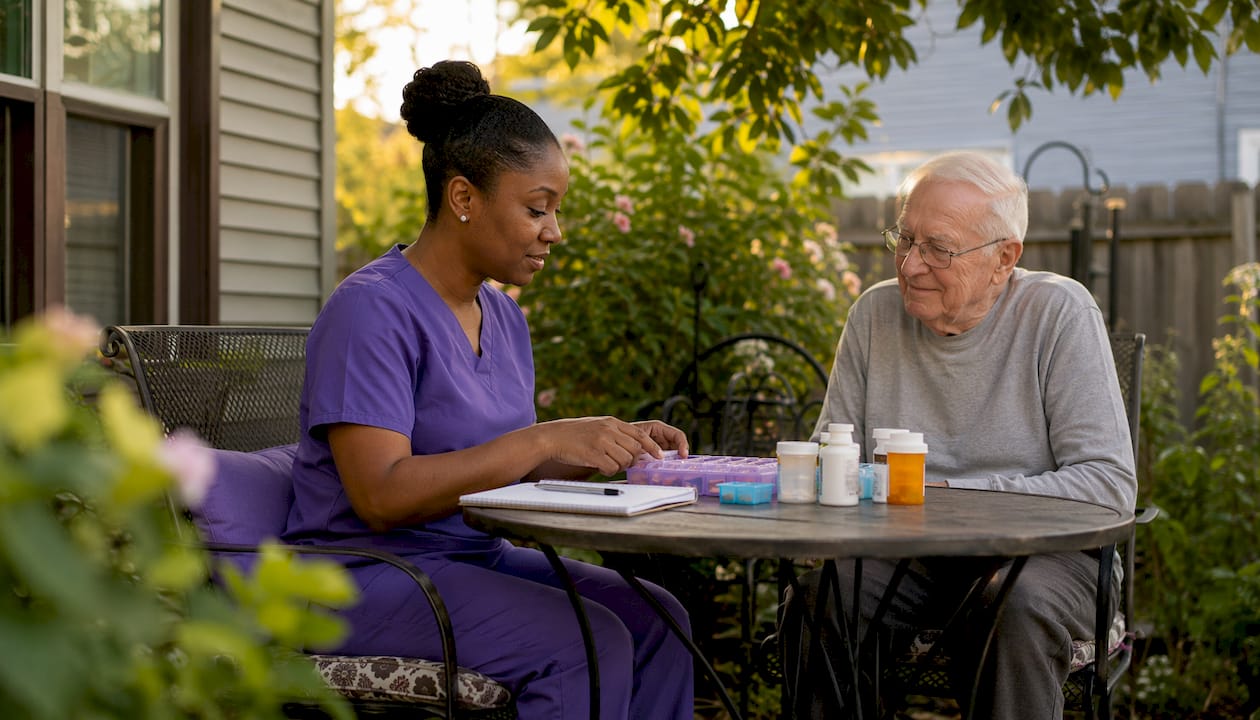
Medication errors post-discharge often stem from unfilled prescriptions or poor coordination between the hospital, pharmacy, and home health agency. Before leaving the hospital, confirm every new prescription is filled, understand the dosing schedule, and know which medications from before admission are being stopped. Do not assume the pharmacy received the order.
A practical discharge checklist for caregivers:
- Obtain written discharge instructions in plain language, reviewed with a staff member present
- Confirm all prescriptions are filled before leaving the facility
- Schedule a follow-up appointment within 7 days; early outpatient follow-up is associated with lower readmission rates
- Ask whether your loved one was admitted as inpatient or under observation status; observation status patients do not qualify for Medicare-covered skilled nursing facility care without a three-day inpatient stay
- Request the Medicare discharge checklist from medicare.gov and complete every item before leaving
- Set up telehealth check-ins or remote monitoring if the senior has heart failure, COPD, or diabetes
| Transition step | Who owns it | Timing |
|---|---|---|
| Medication reconciliation | Pharmacist + nurse | Before discharge |
| Written care plan | Discharge planner | Day of discharge |
| Follow-up appointment | Care coordinator | Scheduled before discharge |
| Home care setup | Family caregiver | Within hours of discharge |
| Telehealth enrollment | Primary care provider | Within days |
Detroit’s health ecosystem increasingly uses telehealth and remote monitoring to catch deterioration before it becomes an ER visit, particularly for frail seniors managing multiple chronic conditions.
How to reduce fall risk and make the home safer for seniors
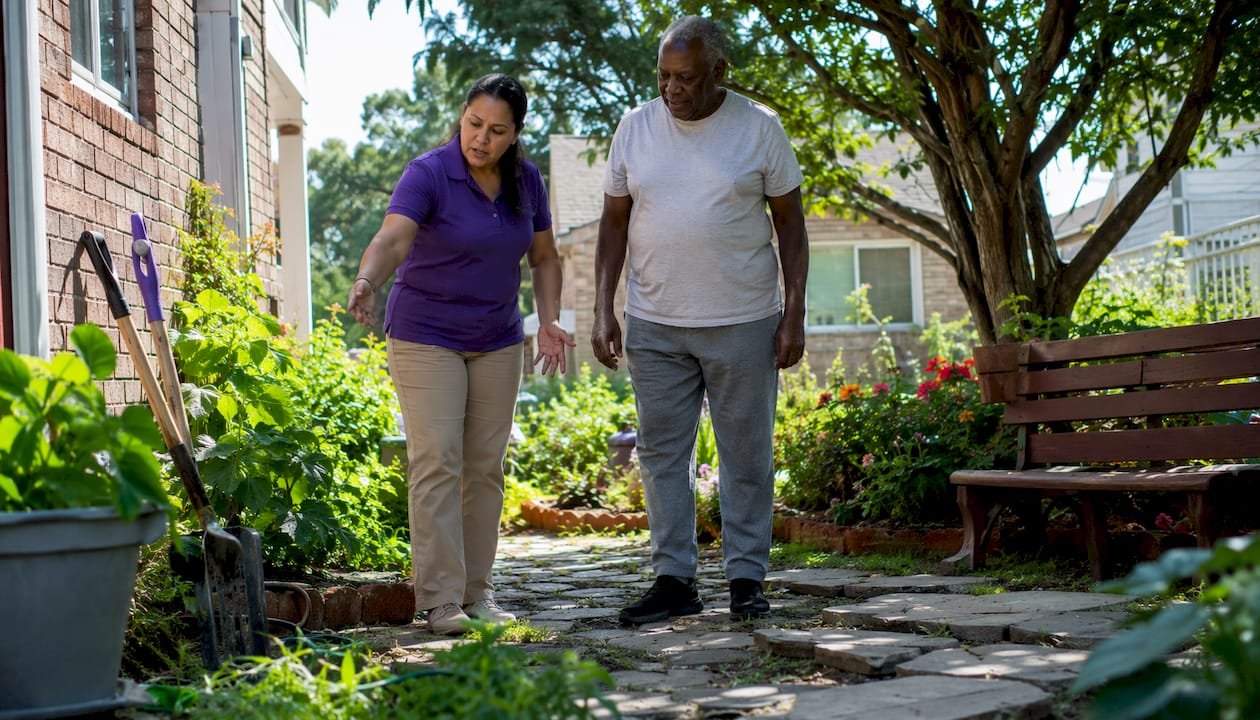
Falls are one of the leading causes of hospital readmission among seniors, and most of the hazards that cause them are fixable in an afternoon. Poor lighting in hallways, loose rugs, no grab bars in the bathroom, and cluttered pathways between the bedroom and bathroom account for a large share of preventable falls.
Low-cost modifications that make a real difference:
- Install grab bars beside the toilet and inside the shower or tub
- Add a shower chair and a handheld showerhead
- Remove throw rugs or secure them with non-slip backing
- Improve lighting in hallways, stairwells, and the path to the bathroom
- Clear pathways of cords, furniture edges, and clutter
- Move frequently used items to waist height to eliminate reaching and bending
Pro Tip: Ask the hospital’s physical therapist for a home safety checklist before discharge. Many Detroit-area hospitals will arrange a home visit from an occupational therapist as part of discharge planning, often covered by Medicare.
Helping-hands-home-care caregivers conduct informal home safety walkthroughs as part of their intake process, flagging hazards before they cause an injury. For families managing in-home physical therapy alongside personal care, coordinating these services under one plan reduces the risk that something gets missed.
How home care services support recovery and prevent readmission
Skilled home health care and personal home care serve different but complementary functions after a hospital stay. Skilled care, provided by licensed nurses or therapists, addresses wound care, IV medications, and post-surgical rehabilitation. Personal care, provided by trained aides, covers bathing, dressing, meal preparation, medication reminders, and companionship.
The gap between what Medicare-covered skilled care provides and what a senior actually needs daily is where readmissions happen. A senior discharged after a hip replacement may qualify for skilled nursing visits three times a week. The other four days, without support, are when falls, missed medications, and dehydration occur.
“Timely, personalized home care bridges the gaps in medical and social care that emerge after hospital discharge, reducing the risk that small problems become emergency room visits.” — Helping-hands-home-care
Helping-hands-home-care provides home health aide services in Detroit that address exactly this gap: medication reminders, assistance with daily activities, and consistent monitoring that catches changes in condition early. Families can review home care plan examples to understand what a structured post-discharge plan looks like in practice.
Key ways home care reduces readmission risk:
- Daily medication reminders reduce missed doses that trigger complications
- Personal care assistance prevents the physical strain that leads to falls
- Regular caregiver observation catches early warning signs before they escalate
- Consistent presence reduces the isolation that worsens depression and cognitive decline
How caregivers can actively prevent readmission after discharge
Family caregivers are the most underutilized resource in post-discharge recovery. Treating discharge planning as a clinical priority, not a paperwork formality, changes outcomes.
Discharge planning is a crucial clinical discussion, not an administrative handoff. Caregivers who attend discharge meetings, ask specific questions about warning signs, and leave with a written plan are far better positioned than those who receive a folder of papers at the door.
Practical steps for the first week home:
- Set up a medication organizer and reconcile it against the discharge instructions on day one
- Post a one-page symptom tracker on the refrigerator listing warning signs specific to the senior’s condition
- Create a shared caregiver schedule if siblings or other family members are involved, covering the first two weeks
- Contact the primary care physician’s office the morning after discharge to confirm the follow-up appointment
- Know the Quality Improvement Organization (QIO) fast appeal process: if you believe discharge is unsafe, you can request a legal review that the hospital must respect until resolved
The CARE Act legally requires hospitals to notify and train designated family caregivers for post-discharge care, but many hospitals do not offer this proactively. You must invoke it by name. Caregiver burnout in the first weeks is a real driver of readmission; Detroit caregiver support groups offer respite, education, and peer connection that reduce isolation and improve decision-making.
Local Detroit resources worth knowing:
- Area Agency on Aging 1-B (serves Wayne, Washtenaw, Monroe, Livingston, St. Clair, and Macomb counties)
- Michigan’s SHIP program for free Medicare counseling
- Detroit-area hospital social work departments for discharge coordination referrals
Why nutrition and hydration matter for recovery at home
Malnutrition and dehydration are two of the most overlooked drivers of readmission among seniors, and they are almost entirely preventable with attention. Older adults often lose appetite after hospitalization due to medication side effects, pain, or depression. Dehydration accelerates confusion, increases fall risk, and can trigger urinary tract infections that send seniors back to the ER within days.
Practical nutrition steps for caregivers include offering small, frequent meals rather than three large ones, keeping water and low-sugar beverages visible and within reach, and watching for signs of swallowing difficulty that may require a speech therapy referral. If the senior lost weight during the hospital stay, ask the discharge team for a dietitian referral before leaving. Medicare covers medical nutrition therapy for certain conditions including diabetes and kidney disease.
How palliative and advanced care planning reduce unnecessary readmissions
Palliative care is not the same as hospice, and confusing the two leads families to avoid conversations that could prevent unnecessary suffering. Palliative care focuses on symptom management and quality of life at any stage of illness, alongside curative treatment. Seniors with advanced heart failure, COPD, or dementia who have a palliative care plan in place are less likely to end up in the emergency room because their care goals are documented and their symptoms are actively managed.
Advanced care planning means completing a durable power of attorney for healthcare, a POLST (Physician Orders for Life-Sustaining Treatment) form, and an advance directive before a crisis occurs. When these documents exist and are accessible, clinicians can honor the senior’s wishes rather than defaulting to aggressive intervention that often leads to hospitalization.
How mental health affects senior readmission rates
Depression and anxiety after hospitalization are common and clinically significant. Seniors who leave the hospital feeling hopeless or fearful are less likely to take medications correctly, attend follow-up appointments, or ask for help when symptoms worsen. Untreated depression after a cardiac event, for example, is associated with higher rates of readmission and mortality.
Screening for depression at discharge using tools like the PHQ-2 takes under two minutes and can flag seniors who need a mental health referral before they go home. Caregivers should watch for withdrawal, refusal to eat, sleep disruption, and statements of hopelessness in the first weeks. Detroit’s community mental health system, including Detroit Wayne Integrated Health Network, provides outpatient behavioral health services for seniors on Medicaid and Medicare.
How social determinants of health drive rehospitalization in Detroit
A senior discharged to an unstable housing situation, without reliable transportation to follow-up appointments, or without access to healthy food, faces readmission risks that no clinical intervention fully addresses. Detroit’s geography compounds these challenges: neighborhoods with limited grocery access, unreliable public transit, and high rates of social isolation create conditions where even well-designed discharge plans fall apart.
Screening for social determinants of health, including housing stability, food security, transportation, and social connection, should happen before discharge, not after a readmission. Hospital social workers and community health workers can connect seniors to Detroit-area resources including Meals on Wheels, the Wayne County IIHA transportation program, and neighborhood-based community health organizations. Families managing Detroit’s home care options can also use local care coordinators to navigate these resources efficiently.
Helping-hands-home-care supports Detroit seniors after discharge
Helping-hands-home-care provides professional in-home care for Detroit seniors navigating post-hospital recovery. From medication reminders and personal care assistance to house cleaning that keeps the home safe and hygienic, the team addresses the daily gaps that lead to readmission. Services are available across metro Detroit, and care plans are built around each senior’s specific post-discharge needs.
Contact Helping-hands-home-care to arrange home health aide support and take the first step toward a safer recovery at home.
Key Takeaways
The most effective way to prevent hospital readmission for Detroit seniors combines multidisciplinary discharge planning, medication reconciliation, fall prevention, and consistent home care support during the first weeks after discharge.
| Point | Details |
|---|---|
| Multidisciplinary teams work best | Teams including pharmacists and care coordinators reduce readmissions more than any single intervention. |
| Follow-up within 7 days | Scheduling outpatient follow-up before discharge strongly correlates with lower readmission rates. |
| Observation status affects coverage | Seniors admitted under observation status lose Medicare skilled nursing benefits without a three-day inpatient stay. |
| CARE Act protects caregivers | Hospitals must train designated family caregivers post-discharge, but families must invoke the CARE Act by name. |
| Home care bridges the gap | Daily medication reminders and personal care assistance address the recovery gaps that skilled nursing visits alone cannot cover. |
Recommended
- Detroit Home Care Economy: Impact and Options in 2026 | Helping Hands Home Care
- Detroit In-Home Physical Therapy Guide for Families | Helping Hands Home Care
- How to Request In-Home Care Services in Metro Detroit | Helping Hands Home Care
- Top 5 Helpinghandhealthcare.com Alternatives Providers 2026 | Helping Hands Home Care