
How Cleaning Services Protect Elderly Safety at Home
How Cleaning Services Protect Elderly Safety at Home
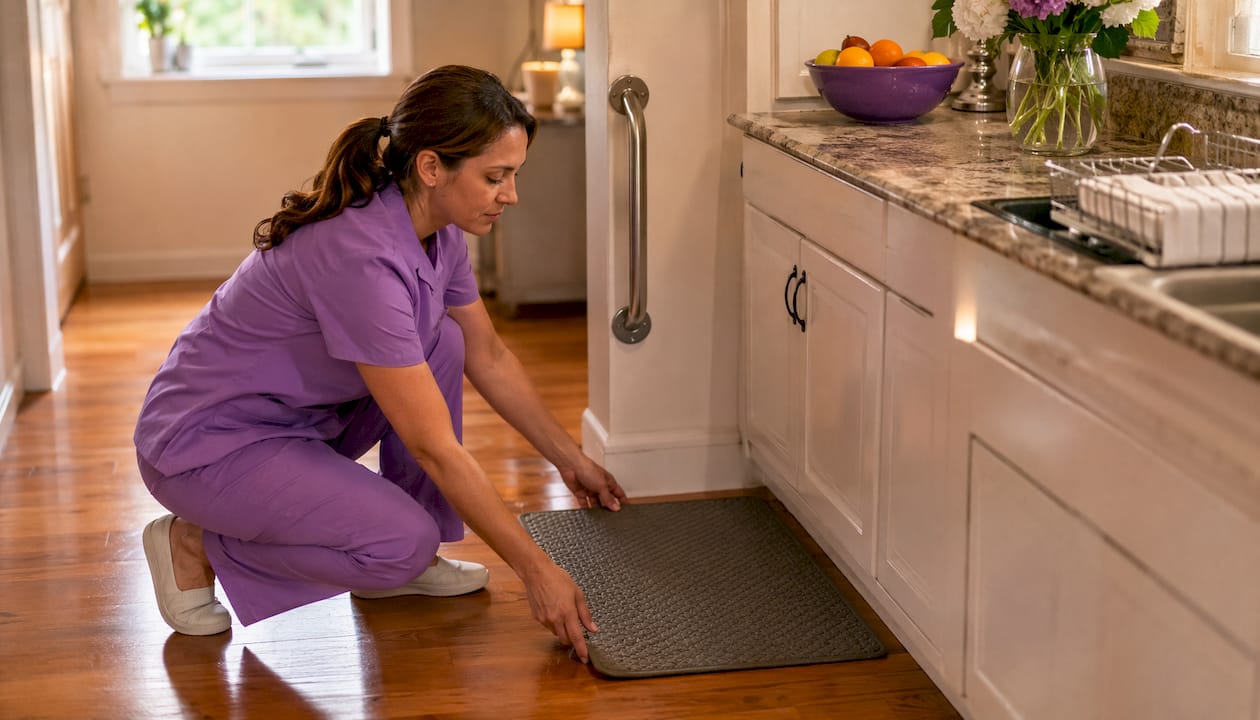
Regular, senior-focused cleaning reduces fall hazards, infection risk, and indoor allergen exposure, protecting older adults’ health and independence. The role of cleaning service in elderly safety goes well beyond tidy floors: it creates a predictable, hazard-free environment that lets seniors stay home longer and families worry less.
The most immediate safety benefits:
- Clear walkways and secured rugs reduce the most common trip hazards
- Prompt spill cleanup eliminates slippery surfaces before a fall happens
- Disinfecting high-touch surfaces cuts infection risk for immune-compromised seniors
- Proper handling and disposal of sharps, soiled linens, and expired medications
- Routine safety checks during each visit catch new hazards before they become emergencies
Your next step: Schedule a home consultation with a senior-focused cleaning service. Walk the home together, flag mobility concerns, and ask about scheduling frequency.
Pro Tip: During the first visit, ask specifically whether the service offers non-toxic, fragrance-free products and whether the cleaner will complete a home-safety checklist. Both requests take thirty seconds to make and can prevent months of problems.
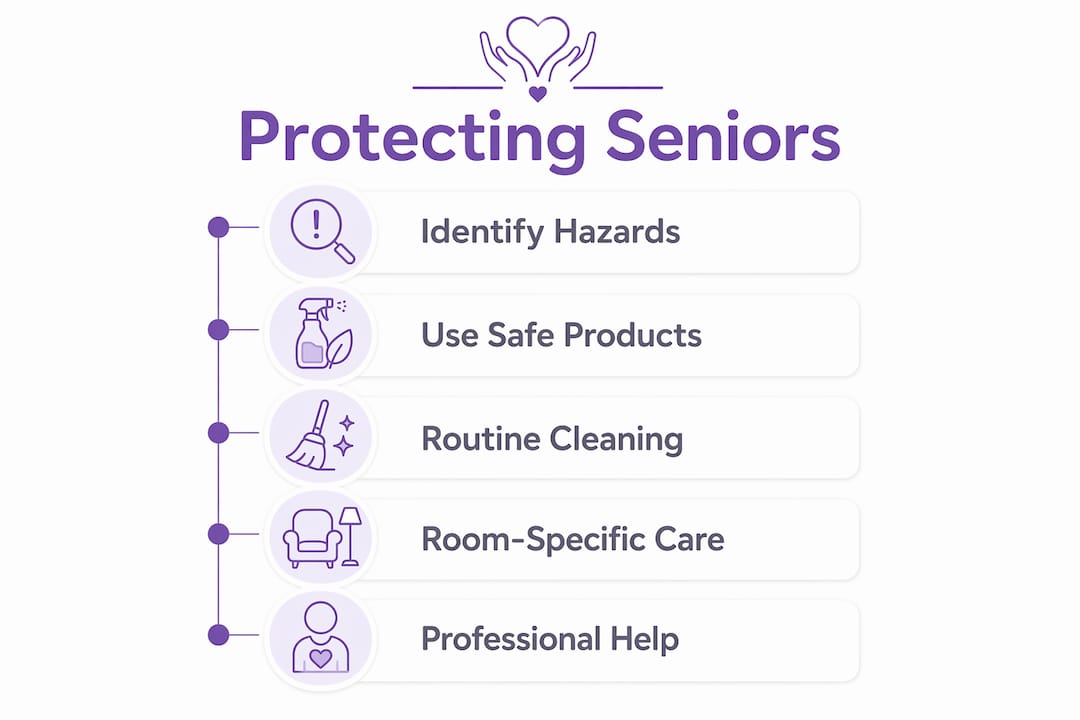
Table of Contents
- Why housekeeping matters so much for seniors’ health and safety
- Common health and accident risks that poor housekeeping creates
- Essential housekeeping practices that protect seniors room by room
- How family caregivers can support safe housekeeping without doing it all themselves
- Concrete benefits of hiring a professional senior-focused cleaning service
- How to choose a cleaning service for an elderly person
- How Helping-hands-home-care approaches safety-focused housekeeping
- Key Takeaways
- Why predictable cleaning routines matter more than most families expect
- Helping-hands-home-care serves metro Detroit seniors with safety-first cleaning
- Useful sources for caregivers who want deeper evidence
Why housekeeping matters so much for seniors’ health and safety
Age changes the math on home hazards. Reduced balance, slower reflexes, weaker immune systems, and increased respiratory sensitivity all mean that the same cluttered hallway or dusty bedroom that a 40-year-old navigates without a second thought can send an older adult to the emergency room.
The CDC reports that a substantial proportion of people aged 65 and older fall each year, resulting in millions of emergency department visits annually. Falls are a leading cause of fatal and nonfatal injuries in that age group, and medical costs for falls are substantial. Home modification and decluttering are among the evidence-backed interventions that reduce this risk.
Statistic: A significant proportion of adults aged 65+ fall each year, generating millions of ER visits. Medical costs for these falls are substantial. — CDC Falls Compendium
Air quality is a parallel concern. Research links indoor air pollution to increased hospitalization and mortality risks among older adults, including cardiovascular and respiratory complications. Sweeping and dry dusting can actually make things worse by resuspending settled particles like PM2.5 and PM10, which older lungs handle poorly. Routine, properly executed cleaning, using damp methods and appropriate products, keeps those particles out of the air rather than stirring them back into it.
For family caregivers, the practical payoff is straightforward: consistent housekeeping reduces the three outcomes they fear most, falls, hospitalizations, and the loss of a parent’s independence.
Common health and accident risks that poor housekeeping creates
Poor senior home cleanliness is not just an aesthetic problem. Each category of neglect maps to a specific, preventable injury or illness.
- Falls from clutter and wet floors. Loose rugs, electrical cords across walkways, and unwiped spills are the most common physical trip hazards. Seniors with reduced peripheral vision or balance issues often cannot detect these hazards in time.
- Infections from high-touch surfaces and soiled linens. Doorknobs, light switches, faucet handles, and toilet seats harbor pathogens that a compromised immune system cannot fight off as efficiently. Soiled bedding compounds the risk.
- Respiratory triggers from dust and allergens. Dust mites, pet dander, and mold spores accumulate quickly in homes that are not cleaned regularly. For seniors with asthma, COPD, or cardiovascular conditions, the consequences can be serious.
- Medication and sharps hazards. Misplaced pill bottles, loose pills on surfaces, and improperly stored or disposed needles create accidental ingestion and injury risks, especially in homes with visiting grandchildren.
- Mental health effects of clutter. Research connects clutter to elevated cortisol levels, and a disorganized environment can increase anxiety and cognitive strain in older adults already managing memory challenges.
Statistic: Falls are a leading cause of fatal and nonfatal injuries among adults 65 and older. — CDC Falls Prevention Guide
The pattern is consistent: each of these risks is preventable with a regular, structured cleaning routine. None of them require expensive interventions. They require consistency.
Essential housekeeping practices that protect seniors room by room
A cleaning routine for an older adult’s home needs to be deliberate, not just thorough. The goal is hazard elimination, not just cleanliness.
Core checklist for every visit:
- Clear all walking paths of shoes, bags, cords, and loose items
- Secure or remove throw rugs (tape them flat or replace with non-slip mats)
- Wipe up spills immediately, including in the kitchen and bathroom
- Disinfect high-touch surfaces: light switches, doorknobs, remote controls, faucet handles
- Check and replace burned-out bulbs, especially in hallways and stairwells
- Launder and change bedding regularly; handle soiled linens with gloves to reduce cross-contamination
Room-specific priorities:
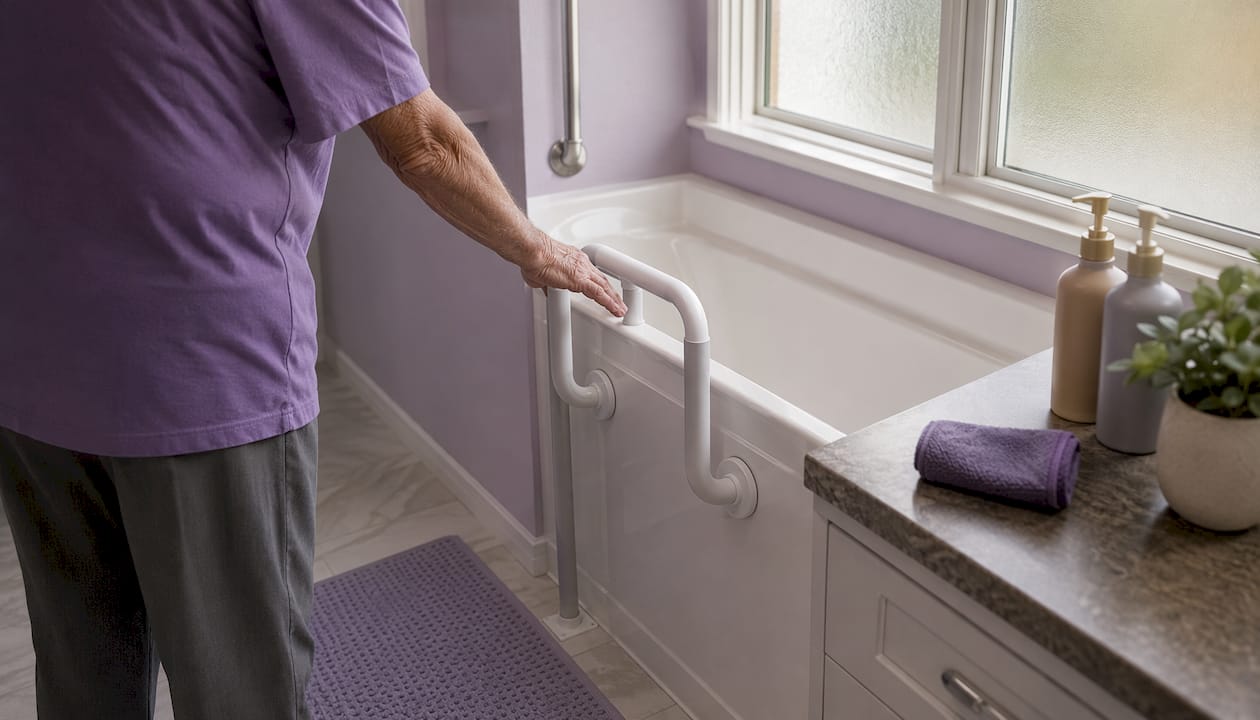
Bathroom: This is the highest-risk room. Non-slip mats inside and outside the tub or shower, a clean shower seat, and grab bars kept free of soap scum are non-negotiable. Avoid leaving wet towels on the floor.
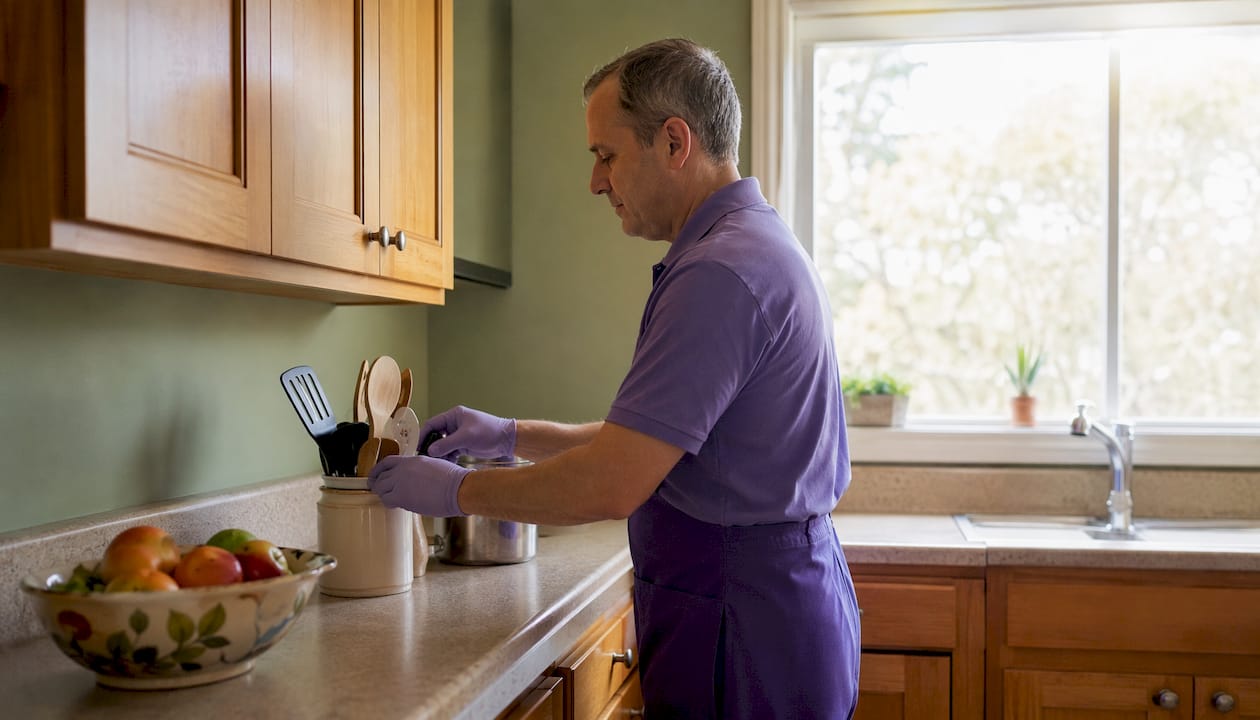
Kitchen: Keep frequently used items at counter height so seniors are not reaching overhead or bending to low cabinets. Wipe the floor around the stove and sink after every meal prep.
Bedroom: The path from bed to bathroom at night is where many falls happen. Keep it completely clear, and make sure the nightstand is within easy reach.
Product safety matters. Cleaning chemicals can pose health hazards to both workers and residents. For seniors with respiratory conditions or skin sensitivities, fragrance-free, non-toxic products are not a luxury. Ask any cleaning service directly whether they can accommodate this before the first visit. Damp mopping and microfiber cloths also reduce the particle resuspension problem described earlier.
Pro Tip: Build a short, repeatable 20-minute daily routine: one walkthrough of all pathways, a quick wipe of the bathroom and kitchen surfaces, and a lighting check. It takes less time than a commercial break and catches most hazards before they cause harm.
How family caregivers can support safe housekeeping without doing it all themselves
The goal is not for caregivers to become full-time housekeepers. It is to set up a system that runs predictably, with or without them present.
-
Start with a home walkthrough. Walk every room and note specific hazards: loose rugs, dim lighting, cluttered pathways, items stored at unsafe heights. Write it down. A home care assessment gives you a documented baseline and a communication tool for any cleaning team you hire.
-
Build a realistic two-tier schedule. Light cleaning, vacuuming, surface wiping, and bathroom checks, happens weekly. Deep cleaning, baseboards, appliances, windows, happens monthly or quarterly. Assign the weekly tasks to a professional service and keep daily habit tasks simple enough for the senior or a visiting family member.
-
Communicate hazards in writing. When you identify a new hazard, note it on a shared list or send a quick message to the cleaning team before their next visit. Integrated home-assessment interventions consistently show that written communication across caregivers and agencies improves safety outcomes.
-
Keep daily maintenance minimal. A caregiver who visits regularly can handle three things in five minutes: check that walkways are clear, confirm lighting is working, and secure any loose rugs. That is the daily floor.
-
Involve the senior in small tasks. Folding towels, wiping the kitchen table, or organizing a drawer preserves dignity and a sense of control. It also keeps the senior engaged with their own environment.
Pro Tip: When setting up personal care for a senior, coordinate cleaning and personal care tasks so they do not overlap or conflict. A caregiver arriving right after a floor mop is a slip risk.
Concrete benefits of hiring a professional senior-focused cleaning service
Professional housekeeping for elderly clients delivers more than a clean home. The structure itself is part of the value.
Key benefits:
- Fall-risk reduction through systematic decluttering and pathway clearing on every visit
- Infection control via targeted disinfection of high-touch surfaces with appropriate products
- Improved indoor air quality using damp methods and, where requested, fragrance-free products
- Time savings for families who cannot visit frequently enough to maintain a safe environment on their own
- Routine safety checks where a trained cleaner notices a new hazard, a burned-out bulb, a new throw rug, a medication left on the floor, and flags it
The trust signals that separate a quality senior-focused service from a general cleaning company are specific: background-checked and trained staff, insurance and bonding, a written care or cleaning plan produced after a home assessment, consistent scheduling with documented visits, and the ability to use non-toxic or allergy-friendly products on request.
| Service type | Typical scope | Best for |
|---|---|---|
| Light housekeeping visit | Surfaces, floors, bathroom, kitchen, laundry | Weekly maintenance and hazard checks |
| Deep cleaning visit | All of the above plus appliances, baseboards, windows | Quarterly reset or post-illness sanitization |
| Home assessment visit | Walkthrough, hazard documentation, care-plan creation | Starting a new service or after a health change |
Predictable scheduling matters more than most families realize. A home consultation that establishes routines upfront prevents the lapses, a missed week here, a skipped bathroom there, that quietly allow hazards to accumulate.
How to choose a cleaning service for an elderly person
Not every cleaning company is equipped to work safely in a senior’s home. Here is what to ask before you commit.
At first contact, ask:
- Do your staff receive specific training for working with elderly clients?
- Are all employees background-checked and bonded?
- Does your company carry liability insurance?
- Can you accommodate non-toxic or fragrance-free products?
- What is your protocol if a cleaner notices a safety hazard or a client appears unwell?
During the home consultation, ask:
- Will you produce a written cleaning plan after this walkthrough?
- How do you document each visit, and who receives that documentation?
- Can we set a consistent day and time for visits?
- Do you have references from other senior clients or their families?
- Are you licensed in Michigan, and do you hold any local certifications?
On cost and scheduling:
Pricing typically follows one of two shapes: hourly rates or flat per-visit fees. Home size, special product requests, and the frequency of visits all affect the final number. For a first engagement, request an in-home quote rather than a phone estimate. The walkthrough itself is informative.
Pro Tip: Start with a single focused visit before committing to a recurring schedule. After the visit, do a 10-minute walkthrough yourself and note what changed. That post-visit check tells you more about a service’s quality than any review.
Preparing the home before a caregiver arrives also makes the first visit more productive. A few minutes of pre-visit prep lets the cleaner focus on the tasks that actually reduce risk.
How Helping-hands-home-care approaches safety-focused housekeeping
Helping-hands-home-care provides in-home cleaning services for seniors in the metro Detroit area, alongside home health aide support, meal preparation, and therapeutic massage. The combination matters because cleaning does not happen in isolation from personal care.
What families can expect from Helping-hands-home-care:
- Background-checked and trained staff with experience working in elderly clients’ homes
- Insurance and bonding on all services
- A written care and cleaning plan produced after an in-home assessment
- Consistent scheduling with documented visits so families always know what was done
- Non-toxic and allergy-friendly product options available on request
- Coordination between cleaning staff and home health aides when both services are active
A typical Helping-hands-home-care home assessment visit works like this: a team member walks the home with the family or the senior, notes specific hazards (loose rugs, dim hallways, items stored at unsafe heights, bathroom grab-bar placement), and produces a written plan. Common first-visit fixes include moving frequently used kitchen items to counter height, removing or securing throw rugs, and identifying which surfaces need priority disinfection given the senior’s health history.
For families managing care from a distance, the documented visit notes provide a reliable record. For seniors living alone, the consistent schedule means someone trained is checking in regularly, not just cleaning.
Key Takeaways
Professional, senior-focused cleaning services reduce fall risk, infection exposure, and indoor air hazards while giving families a reliable safety check built into every visit.
| Point | Details |
|---|---|
| Falls are the top risk | CDC data shows 1 in 4 adults 65+ fall each year, generating over 3 million ER visits annually. |
| Clutter and air quality both matter | Unsecured rugs and resuspended dust particles are preventable hazards that routine cleaning directly addresses. |
| Trust signals to verify | Confirm background checks, insurance, written care plans, and non-toxic product options before hiring any service. |
| Start with a home consultation | A walkthrough produces a written hazard list and a cleaning plan, the most effective first step. |
| Helping-hands-home-care | Offers senior-focused house cleaning in metro Detroit with documented visits, trained staff, and non-toxic product options. |
Why predictable cleaning routines matter more than most families expect
The conventional wisdom on senior home safety focuses heavily on grab bars, ramps, and medical alert devices. Those things matter. But the hazard that sends the most older adults to the emergency room is a wet floor, a loose rug, or a cluttered hallway, things that a weekly cleaning visit would have caught.
What gets underestimated is the cumulative effect of small lapses. A throw rug that was fine last month develops a curled edge. A spill gets wiped but the floor stays slightly tacky. A burned-out bulb in the hallway goes unnoticed for two weeks. None of these feel urgent. Together, they create the conditions for a fall.
The families I see make the most progress are the ones who stop treating cleaning as a chore to be done when someone has time and start treating it as a scheduled safety intervention. The frequency matters less than the consistency. A reliable weekly light clean beats an occasional deep clean every time, because hazards accumulate on a weekly timeline, not a monthly one.
Seniors also respond differently to a predictable routine than to sporadic help. Knowing that someone is coming Tuesday at 10 AM reduces anxiety, maintains a sense of order, and, practically, gives the senior a reason to keep pathways reasonably clear between visits. That behavioral effect is real and it is free.
Helping-hands-home-care serves metro Detroit seniors with safety-first cleaning
Families in the metro Detroit area who need a cleaning service that understands senior safety have a direct option: Helping-hands-home-care combines professional house cleaning with home health aide support and in-home assessments, all under one provider.
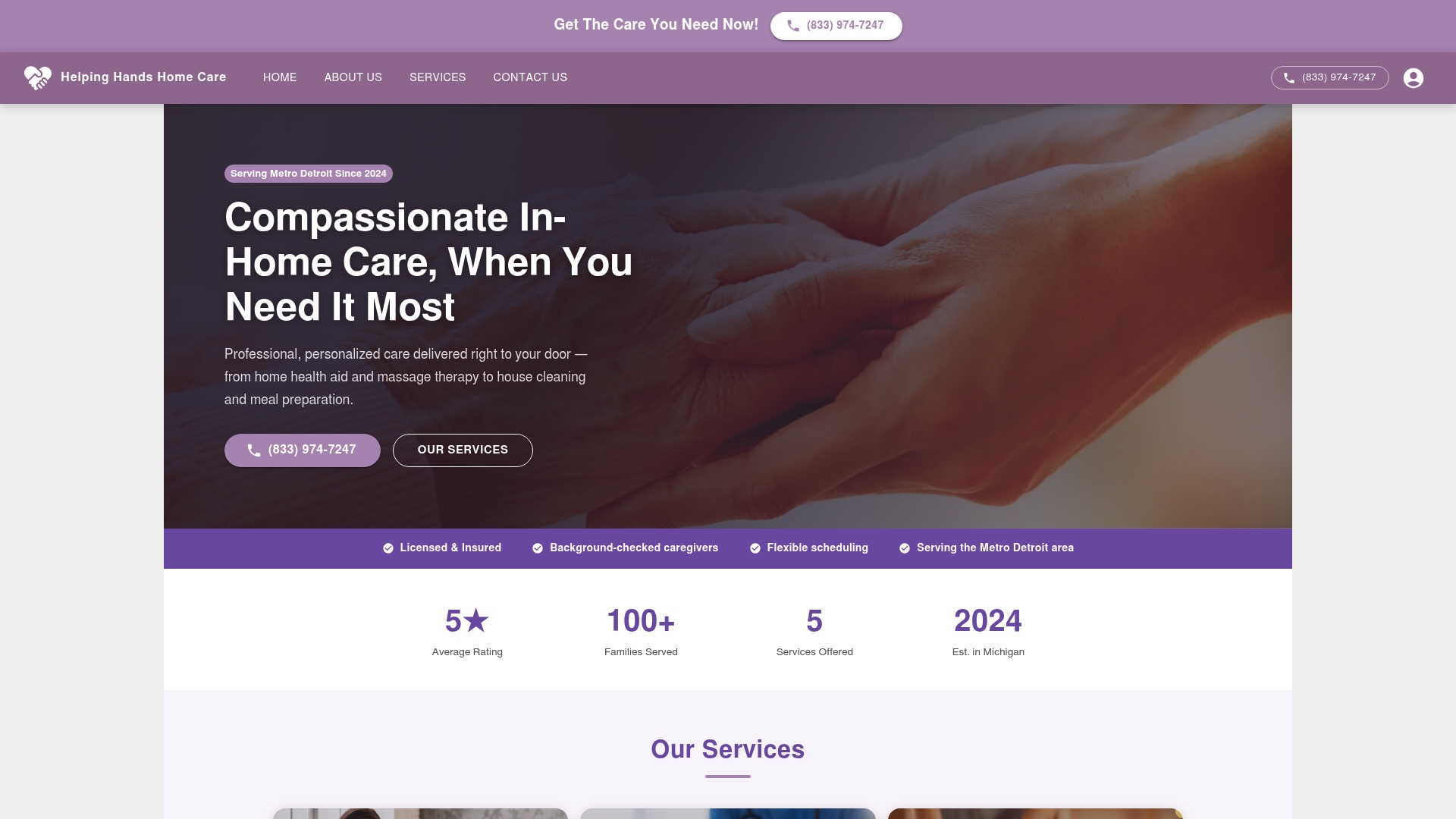
The practical difference from a general cleaning company is the safety-first approach: every visit follows a written care plan, staff are background-checked and trained for elderly clients, and non-toxic product options are available for seniors with respiratory or skin sensitivities. Families managing care from a distance get documented visit notes so they always know what was done and what was flagged.
To get started, request a home consultation. A team member walks the home with you, identifies specific hazards, and builds a cleaning plan around the senior’s actual needs and schedule. You can also explore the full range of home care services, including home health aide support, if cleaning alone is not enough coverage. Call or visit the website to schedule your first visit.
Useful sources for caregivers who want deeper evidence
The claims in this article draw on the following authoritative sources. Consult a healthcare provider before making changes that affect a senior’s medical care or mobility.
| Source | What it supports |
|---|---|
| CDC Falls Compendium | Fall prevalence data and evidence-backed home-modification interventions |
| CDC Falls Prevention Guide | Community and home-based fall prevention program design |
| CDC Safe Home Care Intervention Study | Home assessment coaching and documented safety planning for home care |
| CDC NIOSH Housekeeping Module | Slip, trip, and fall hazard reduction strategies for home care workers |
| PMC: Indoor Air Pollution and Respiratory Health | Particle resuspension during cleaning and HEPA intervention evidence |
| PMC: Air Quality Policy for Older Adults | Cardiovascular and respiratory risks from air pollution in older populations |
| SeniorSite: Choosing House Cleaning Services | Home consultation process, non-toxic product options, and scheduling guidance |
| WeeklySafety: Cleaning Chemicals at Work | Chemical hazard training, PPE standards, and product-safety expectations |
This article provides general information for caregivers and seniors. It is not a substitute for professional medical, legal, or care-planning advice. Confirm current guidelines and care decisions with a qualified healthcare provider.