
Stroke Home Care: A Caregiver's Complete Action Plan
Stroke Home Care: A Caregiver’s Complete Action Plan
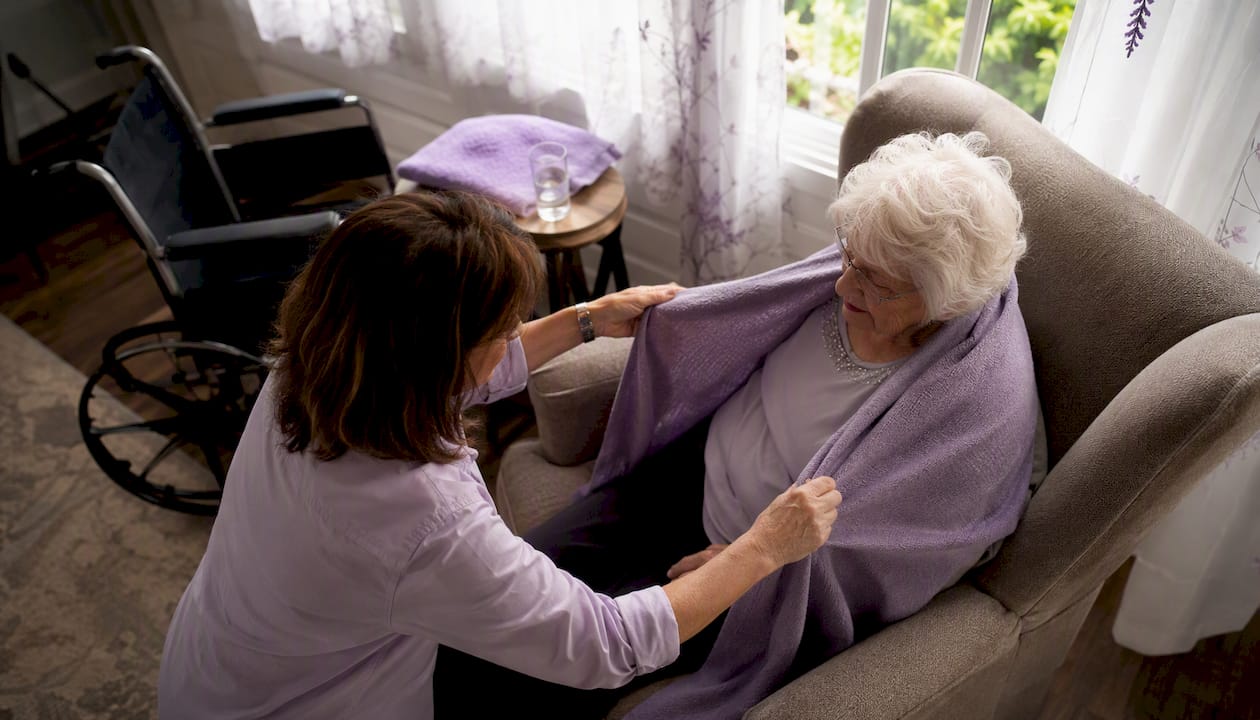
Most stroke survivors can return home safely, but only when three things are already in place: the home is physically safe, medications are reconciled and understood, and a rehabilitation plan has been scheduled before discharge. If any of those three gaps remain open, the risk of a fall, a missed dose, or a stalled recovery rises sharply.
The American Stroke Association and the American Heart Association both emphasize that recovery is rarely a return to the exact pre-stroke baseline. It is more often an adaptation to a new normal, built on small, consistent daily wins. That framing matters because it sets realistic expectations from day one and keeps families from giving up when progress feels slow.
Five actions to start immediately:
- Walk through the home and remove trip hazards (rugs, cords, clutter) before the survivor arrives.
- Collect every medication, confirm the name, dose, and purpose with the discharging nurse, and set up a pill organizer.
- Call the discharge planner to confirm home health orders for physical therapy (PT), occupational therapy (OT), and speech therapy are in place.
- Write down the emergency plan: nearest hospital, 911 protocol, and the time-of-onset rule for stroke symptoms.
- Identify one person outside the household who can provide relief at least once a week.
The CDC notes that stroke is a leading cause of long-term disability in the United States, which means the decisions made in the first week at home carry consequences that stretch for months or years.
Key Takeaways
Effective stroke home care depends on three things happening simultaneously: a physically safe environment, a clear medication plan, and consistent daily rehabilitation practice.
| Point | Details |
|---|---|
| Safety first, before arrival | Remove rugs, install grab bars, and clear walking paths before the survivor comes home. |
| Medication reconciliation is non-negotiable | Confirm every drug name, dose, and purpose at discharge and set up a pill organizer immediately. |
| Daily rehab practice drives recovery | Small, consistent functional tasks practiced every day support neuroplasticity better than sporadic intensive sessions. |
| Sleep and mood affect recovery directly | Post-stroke sleep disorders and depression are treatable; raise both with the care team early. |
| Helping-hands-home-care fills the daily care gap | Metro Detroit families can request aide support, meal prep, and respite through Helping-hands-home-care to sustain recovery after skilled home health ends. |
Table of Contents
- How clinicians decide whether returning home is safe
- Home safety changes to make in the first 24–72 hours
- Daily caregiving tasks and a practical rehabilitation focus
- Managing medications and risk factors to prevent another stroke
- Sleep problems and mood changes after stroke
- Equipment and adaptive aids that support recovery at home
- How to arrange home-based rehab and support services
- How caregivers can avoid burnout and where to find support
- Red flags that require urgent care and your emergency action plan
- Questions to ask the care team at discharge and follow-up visits
- When to hire professional in-home caregivers and what they actually do
- How Helping-hands-home-care supports stroke recovery in metro Detroit
- Sources
How clinicians decide whether returning home is safe
The care team does not send a stroke survivor home on instinct. They run through a short but specific set of criteria, and you can ask about each one directly.
Clinical criteria the team evaluates:
- Medical stability: blood pressure controlled, no active cardiac arrhythmia requiring IV management, no fever or active infection
- Swallow safety: a formal swallowing screen or bedside swallow evaluation has been completed and results are documented
- Mobility and transfer ability: the survivor can sit unsupported for at least 30 seconds and can participate in a supervised transfer with one or two helpers
- Cognition: the survivor can follow simple two-step commands and can signal distress
- Home support: at least one adult is available in the home during the hours the survivor cannot be left alone
What you can verify yourself before discharge:
- Ask the nurse to show you the swallowing screen results and what food textures are currently safe
- Watch a transfer with the physical therapist and practice it yourself before leaving the hospital
- Confirm that a hospital bed, bedside commode, or wheelchair has been ordered if needed
- Ask whether the survivor passed a basic cognitive screen (such as the Montreal Cognitive Assessment)
- Confirm that home health orders are signed and that the agency has been contacted
Questions to ask the care team at discharge:
- “What therapy intensity is ordered, and how many visits per week?”
- “What equipment has been ordered, and when will it arrive?”
- “What are the weight-bearing and mobility restrictions?”
- “Who do I call after hours if something changes?”
- “What are the follow-up appointments and when?”
If the survivor cannot sit unsupported, has failed a swallow screen, or requires 24-hour skilled nursing that the family cannot provide, ask the social worker about inpatient rehabilitation or a short-term skilled nursing facility stay. That is not a failure. It is the right clinical decision, and transitioning back home after a brief skilled stay is common and manageable.
Home safety changes to make in the first 24–72 hours
Speed matters here. Falls are one of the most common and most preventable complications in the first weeks of stroke home care. Most of the highest-impact changes cost nothing or very little.
Immediate low-cost fixes (do these before the survivor arrives):
- Remove all area rugs and loose floor mats
- Tape down or reroute electrical cords away from walking paths
- Clear a straight, unobstructed path from the bedroom to the bathroom
- Place non-slip strips in the bathtub and shower floor
- Make sure the survivor wears rubber-soled shoes or non-slip socks, never bare feet or slippers with smooth soles
- Move frequently used items (glasses, phone, TV remote, water) to within easy reach of the bed or chair
Bathroom and bedroom priorities:
- Install grab bars next to the toilet and inside the shower (not towel bars, which pull out of walls)
- Add a raised toilet seat if the survivor has hip or leg weakness
- Place a shower bench or transfer bench so bathing does not require standing
- Consider a bedside commode to reduce nighttime fall risk
- Keep a clear, lit path between the bed and the bathroom at all times
Stairs and entry:
- If the survivor cannot safely manage stairs, set up a sleeping area on the ground floor temporarily
- Install a portable handrail on both sides of any steps at the entry
- Place a sturdy chair near the front door so the survivor can sit while putting on shoes
Larger modifications to plan for later:
An occupational therapist can conduct a formal home safety assessment and recommend door widening, a stairlift, or a full bathroom renovation when needed. Many OTs do this as part of the home health evaluation. Ask specifically for a home safety assessment at the first visit.
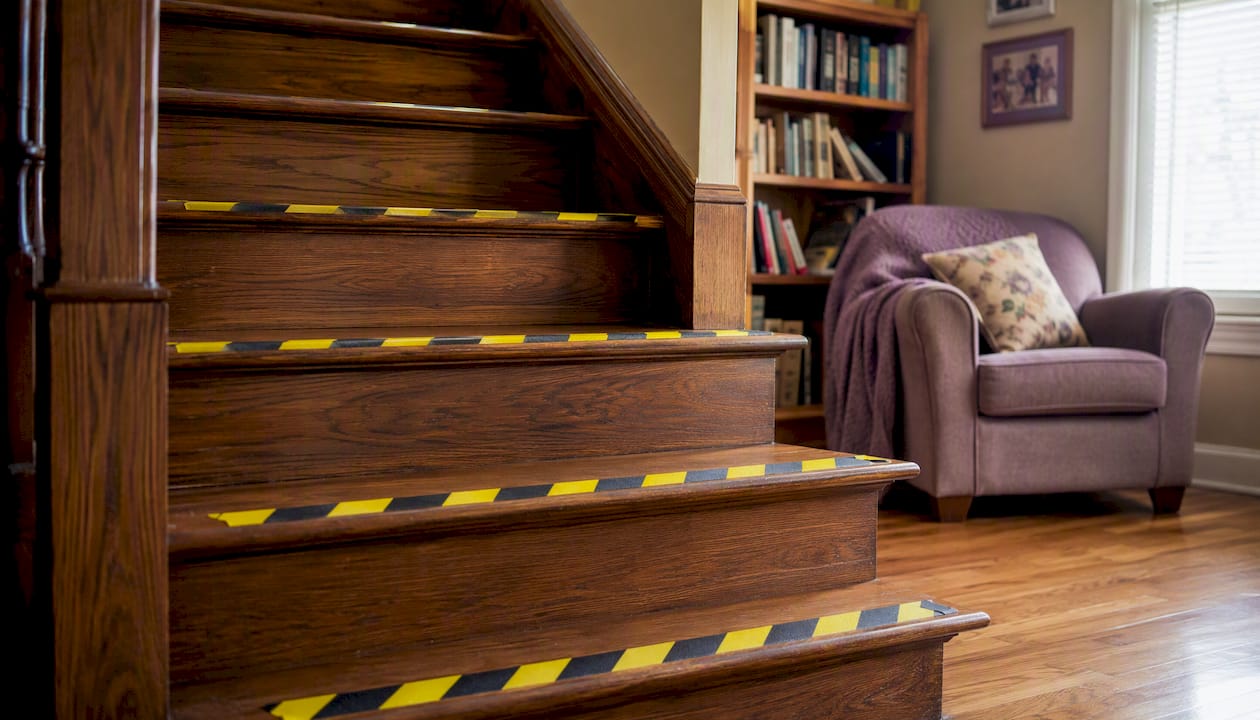
Pro Tip: For survivors with visual-field deficits (a common post-stroke condition where one side of the visual field is lost), use high-contrast tape or colored strips on stair edges and door thresholds. Place frequently needed items on the survivor’s stronger visual side. Good lighting in hallways and the bathroom at night reduces fall risk significantly, per American Stroke Association guidance on living at home after stroke.
Daily caregiving tasks and a practical rehabilitation focus
The day-to-day reality of stroke care at home is a mix of personal care, safety monitoring, and structured practice. Knowing which tasks are yours and which belong to a therapist keeps everyone from burning out.
Core ADL tasks caregivers handle daily:
- Eating and feeding: Follow the texture and thickening guidelines from the speech therapist exactly. Never give thin liquids if nectar-thick or honey-thick has been ordered. Sit the survivor upright at 90 degrees for all meals and keep them upright for 30 minutes after eating.
- Dressing: Allow the survivor to do as much as possible independently, even if it takes longer. Start with the weaker arm or leg when putting on clothing, and remove it last.
- Bathing: Use the shower bench and grab bars every time. Never rush a bath. Keep the water temperature moderate to avoid burns if sensation is reduced.
- Toileting: Use the raised toilet seat and grab bars. A gait belt worn by the survivor makes assisted transfers safer for both of you.
- Skin checks: Inspect bony prominences (heels, sacrum, hips, elbows) daily for redness or breakdown, especially if the survivor spends long periods in bed or a wheelchair. A comprehensive review of post-stroke home care recommends routine skin and spasticity monitoring as part of the standard home care plan.
Rehabilitation priorities by function:
Mobility and transfers are the first priority because falls are the most immediate danger. Practice sit-to-stand transfers with the therapist’s technique every time, not a shortcut version. For arm and hand tasks, the OT will give specific exercises. Do them daily, even when the survivor is tired, because neuroplasticity depends on repetition. For speech and communication, follow the speech-language pathologist’s (SLP) home program and resist the urge to finish the survivor’s sentences. For cognitive routines, keep a consistent daily schedule because predictability reduces confusion and anxiety.
The HOPE Stroke Recovery Guide is direct on this point: focusing on small, consistent functional gains, such as buttoning a shirt independently or walking to the kitchen without assistance, often predicts better long-term outcomes than chasing a return to the exact pre-stroke baseline.
Sample daily schedule (adapt to your survivor’s fatigue level):
- 7:00–8:00 AM: Morning routine (hygiene, dressing with maximum survivor participation, medications with breakfast)
- 8:30–9:30 AM: Home PT or OT exercises (mobility, balance, arm tasks)
- 9:30–11:00 AM: Rest or low-demand activity (reading, TV, light conversation)
- 11:00 AM–12:00 PM: Speech or cognitive practice (SLP home program, word games, memory tasks)
- 12:00–1:00 PM: Lunch (seated upright, correct texture, 30-minute post-meal rest)
- 1:00–2:30 PM: Nap or quiet rest
- 2:30–3:30 PM: Family-led practice (short walk, hand exercises, ADL practice)
- 3:30–5:00 PM: Social time, phone calls, light activity
- 5:00–6:00 PM: Dinner and medications
- 7:00–8:00 PM: Wind-down routine, skin check, prepare for bed
Communication strategies for aphasia or cognitive impairment:
- Speak slowly and use short, simple sentences
- Ask yes/no questions rather than open-ended ones
- Use gestures, pictures, or a communication board when words fail
- Give the survivor time to respond without jumping in
- Reduce background noise (TV, radio) during important conversations
Managing medications and risk factors to prevent another stroke
Secondary stroke prevention is one of the highest-stakes responsibilities in post-stroke home care. CDC data confirm that aggressive management of blood pressure, diabetes, atrial fibrillation (AFib), and lipids is critical to reducing recurrent stroke risk.
Medication reconciliation checklist (complete this at discharge):
- Write down every medication: name, dose, frequency, and the reason it was prescribed
- Confirm which medications are new since the stroke and which were continued from before
- Ask the pharmacist to review the full list for interactions
- Identify who is responsible for filling each prescription and when refills are due
- Ask about any medications that were stopped during the hospital stay and whether they should restart
Practical adherence tips:
- Use a weekly pill organizer with AM and PM compartments
- Set phone alarms for each medication time
- Keep a written medication log and note any missed doses
- Ask the pharmacy about synchronizing all refills to the same pickup date
- Use the teach-back method: after the nurse explains a medication, repeat back what you understood to confirm accuracy
Follow-up timeline:
- Week 1–2: Primary care or neurology visit to review medications, blood pressure, and labs
- Week 4: Cardiology if AFib was identified; confirm anticoagulation is therapeutic
- Month 3: Repeat labs (lipid panel, HbA1c if diabetic, INR if on warfarin)
- Ongoing: Blood pressure checks at home daily, logged and brought to every appointment
Top modifiable risk factors to manage at home:
- Blood pressure: target below 130/80 mmHg for most survivors (confirm the specific target with the neurologist)
- AFib: confirm anticoagulation is in place and that the survivor is not missing doses
- Diabetes: monitor blood glucose as directed and maintain dietary consistency
- Lipids: confirm a statin is prescribed and being taken
- Smoking: if the survivor smokes, ask for a referral to a cessation program at discharge
- Physical activity: even short daily walks reduce recurrent stroke risk
Sleep problems and mood changes after stroke
Sleep is not a passive recovery tool. Research published in MDPI shows that post-stroke sleep problems reduce rehabilitation engagement, and that treating sleep disorders supports neuroplasticity and motor learning. This is not a secondary concern.
Common post-stroke sleep problems:
- Insomnia (difficulty falling or staying asleep)
- Hypersomnia (sleeping excessively during the day)
- Obstructive sleep apnea (OSA), which is both common after stroke and a risk factor for a second stroke
- Fragmented sleep from pain, spasticity, or frequent urination
The American Stroke Association identifies OSA as a serious and manageable cause of post-stroke sleep disruption. An integrative review published in PMC supports CPAP as a recommended first-line treatment for post-stroke OSA in many patients, while behavioral treatments like cognitive behavioral therapy for insomnia (CBT-I) are appropriate for chronic insomnia without an underlying sleep disorder.
Symptoms caregivers can track:
- How many times the survivor wakes during the night
- Loud snoring or observed pauses in breathing (possible OSA)
- Daytime sleepiness that interferes with therapy participation
- New irritability, withdrawal, or tearfulness
- Declining interest in activities the survivor previously enjoyed
Practical sleep hygiene steps:
- Keep a consistent wake time every day, including weekends
- Limit naps to 20–30 minutes and avoid napping after 3:00 PM
- Reduce light and noise in the bedroom after 8:00 PM
- Avoid sedating medications late in the evening unless prescribed specifically for sleep
- Keep the bedroom cool and dark
When to ask for professional help:
If the survivor snores loudly, gasps during sleep, or is excessively sleepy despite adequate nighttime sleep, ask the physician for a sleep study referral. For persistent low mood, loss of interest, or anxiety lasting more than two weeks, ask for a referral to a psychologist or psychiatrist familiar with post-stroke depression. Post-stroke depression is common and treatable. Raising it with the care team is not an overreaction.
Equipment and adaptive aids that support recovery at home
Most stroke survivors need at least a few pieces of durable medical equipment (DME) at home. Getting the right items ordered before discharge saves time and prevents gaps in care.
Frequently needed equipment:
- Wheelchair or transport chair: for longer distances or when walking is not yet safe
- Standard walker or rolling walker (rollator): determined by the PT based on balance and arm strength
- Quad cane or standard cane: for survivors with mild balance impairment who can bear weight
- Bedside commode: reduces nighttime fall risk and is essential if the bathroom is far from the bedroom
- Shower bench or transfer bench: required for safe bathing with weakness or balance problems
- Grab bars: installed in the shower and next to the toilet before the survivor arrives home
- Adaptive utensils: weighted spoons, plate guards, and non-slip mats for survivors with arm weakness or tremor
- Gait belt: used by caregivers during all assisted transfers and walking practice
Rent versus buy:
Rent equipment for short-term needs (the first 4–8 weeks) when the survivor’s functional level is still changing rapidly. Buy when the need is clearly long-term, such as a power wheelchair for a survivor with permanent significant mobility impairment. Storage and cost both favor renting early. Many DME suppliers offer rental-to-purchase conversion.
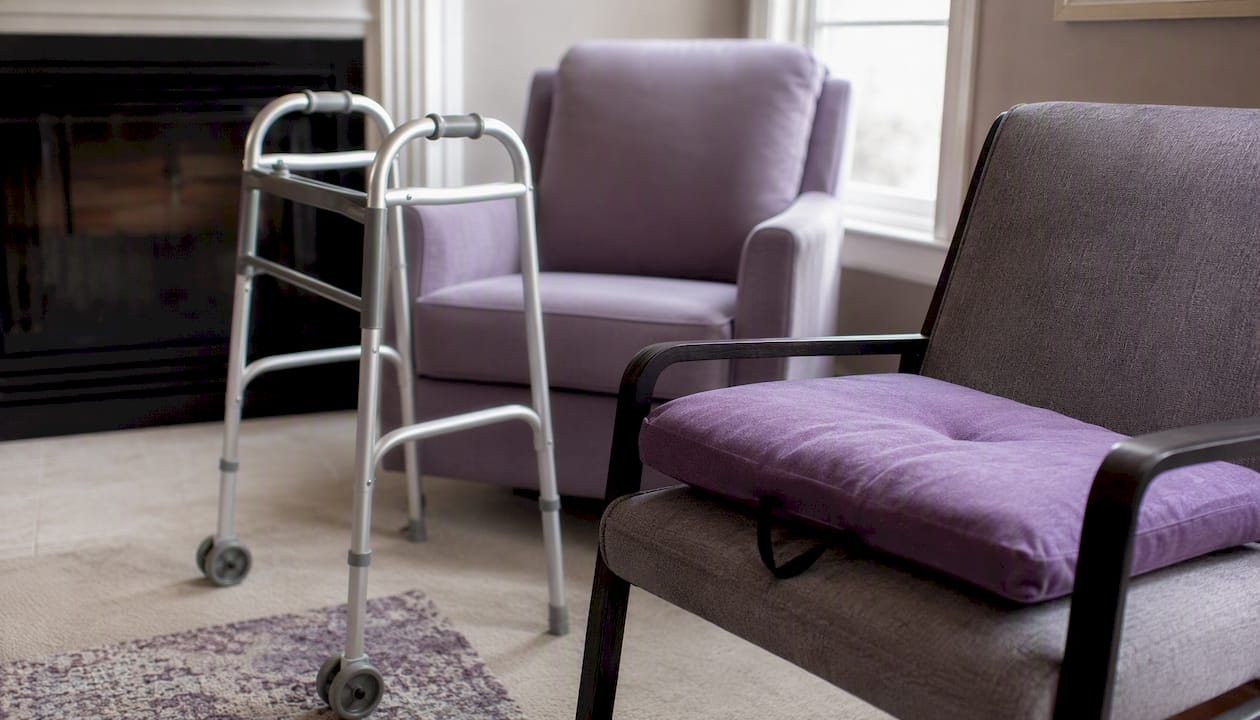
How to get DME covered:
The discharging physician or therapist must write a DME order. Keep all DME orders and receipts. Ask the discharge planner to confirm which items are covered before leaving the hospital.
Simple technology for safety:
- Medical alert pendants (worn around the neck or wrist) allow the survivor to call for help if they fall when alone
- Fall-detection wearables (some smartwatches now include this) can automatically alert caregivers
- Medication reminder apps (such as Medisafe) send alerts when doses are due and flag missed doses
How to arrange home-based rehab and support services
Arranging services after discharge feels complicated, but the process follows a clear sequence. Rehabilitation typically begins in the hospital and should continue without interruption after discharge.
Step-by-step service arrangement:
- Before discharge, speak with the hospital social worker or discharge planner and confirm that home health orders (PT, OT, speech) are signed by the physician.
- Ask which home health agency will receive the referral, or request a specific agency if you have a preference.
- The home health agency contacts you within 24–48 hours of discharge to schedule the initial evaluation.
- At the evaluation, the therapist assesses the home, sets therapy goals, and builds a visit schedule.
- Therapy visits typically begin within 2–5 days of discharge. Between visits, the therapist leaves a home exercise program for the survivor and caregiver to practice.
Home health versus private-pay home care:
Home health (skilled care) is physician-ordered PT, OT, or speech therapy, plus skilled nursing for wound care or medication management. It is covered by Medicare when the survivor is homebound and the care is medically necessary. Private-pay home care (personal care aides, homemakers, companions) handles bathing, dressing, meal preparation, light housekeeping, and companionship. It is not covered by Medicare but is often the most important practical support a family can arrange. Understanding the difference between these roles prevents families from expecting skilled therapists to do personal care tasks, and vice versa.
Medicare basics for home health:
- Medicare Part A or Part B covers home health when the survivor is homebound, the care is skilled, and a physician certifies the need
- There is no copay for Medicare-covered home health visits
- Medicare does not cover 24-hour home care, personal care aides, or homemaker services
- Keep a copy of the home health plan of care and every visit note for your records
How to maximize therapy:
- Be present for at least the first two or three therapy visits so you can learn the exercises and techniques
- Practice the home exercise program daily, not just on therapy visit days
- Ask the therapist to demonstrate any transfer or mobility technique you are unsure about
- Keep a simple log of what was practiced and any problems that came up between visits
Communication and record keeping:
The American Heart Association’s Caregiver Guide recommends building a centralized “command center” for all care information: a single binder or folder that holds the medication list, therapy schedule, visit notes, and clinician contact numbers. When multiple therapists and a nurse are all visiting the home, fragmented information causes errors. One binder, kept in the same place every day, solves most coordination problems.
Practical tips for multi-provider coordination:
- Ask each therapist to write a brief note after each visit and keep them in the binder
- Share the medication list with every provider who visits
- Designate one family member as the primary contact for all providers
- Use a shared digital calendar (Google Calendar works well) if multiple family members are involved in scheduling
How caregivers can avoid burnout and where to find support
Caregiver burnout is not a personal failure. It is a predictable outcome when one person absorbs too much of the care load without relief. The American Stroke Association is explicit: caregivers are not expected to function as full-time medical staff, and using paid help is not giving up.
Signs of caregiver stress to watch for in yourself:
- Persistent fatigue that sleep does not resolve
- Irritability or resentment toward the survivor
- Skipping your own medical appointments
- Withdrawing from friends or activities you used to enjoy
- Feeling like there is no way out or no one else who can help
Immediate steps to reduce overload:
- Write down every task you do in a week and identify three that someone else could handle
- Schedule at least one four-hour block of personal time per week, non-negotiable
- Use meal delivery services (many are covered by local Area Agencies on Aging) to eliminate one daily task
- Ask a family member or friend to take one overnight or one full day per week
Respite options:
- Adult day programs provide structured activities and supervision for the survivor during daytime hours, giving the caregiver a full workday of relief
- Short-term home aides (hired privately or through an agency) can cover evenings, weekends, or overnight shifts
- Short-term skilled nursing facility stays (respite care) are available for planned breaks of a few days to a few weeks
The Caregiver Action Network offers stroke-specific caregiver resources, including a national helpline, peer support groups, and practical toolkits for managing the legal and financial dimensions of long-term caregiving. You do not have to figure this out alone.
Where to find support:
- National Alliance for Caregiving (caregiving.org)
- Area Agency on Aging (eldercare.acl.gov) for local programs and respite funding
- American Stroke Association’s caregiver resources at stroke.org
- Local hospital social work departments, which often maintain lists of community resources
Red flags that require urgent care and your emergency action plan
Every caregiver needs to know the stroke warning signs cold, because time from symptom onset to treatment is the single biggest factor in outcome. Do not wait to see if symptoms resolve.
Use the FAST acronym and expand it:
- F — Face drooping: Ask the survivor to smile. Is one side drooping or numb?
- A — Arm weakness: Ask them to raise both arms. Does one drift downward?
- S — Speech changes: Is speech slurred, garbled, or absent? Can they repeat a simple sentence?
- T — Time to call 911: If any of the above are present, call immediately.
- Sudden severe headache with no known cause (“the worst headache of my life”)
- Sudden vision loss in one or both eyes, or double vision
- Sudden severe dizziness or loss of balance with no other explanation
- New confusion or sudden difficulty understanding speech
What to do immediately:
- Call 911. Do not drive to the hospital yourself.
- Note the exact time symptoms started. Tell the paramedics this number. It determines whether clot-busting treatment is an option.
- Do not give aspirin unless the physician has specifically instructed you to do so, because aspirin is harmful in hemorrhagic stroke.
- Stay calm and keep the survivor still and comfortable until help arrives.
Build an emergency binder and keep it visible:
Create a physical binder (or a laminated card on the refrigerator) that contains:
- Full medication list with doses and prescribing physicians
- Known allergies
- Advance directives or DNR status
- Current therapy orders and goals
- Names and direct phone numbers for the neurologist, primary care physician, and home health agency
- Insurance card copies and Medicare number
- Emergency contacts in priority order
Printable emergency card template (copy this and post it near the phone):
Questions to ask the care team at discharge and follow-up visits
Print this list and bring it to every appointment. Blank answers are not acceptable. If the team does not have an answer, ask who does and when you will hear back.
At discharge:
- What food textures and liquid consistencies are safe right now?
- What are the weight-bearing restrictions for the affected leg?
- Which medications are new, and what are the most important side effects to watch for?
- What DME has been ordered, and when will it be delivered?
- Which home health agency received the referral, and when will they call?
- What are the signs that something is wrong and I should call you versus call 911?
- When is the first follow-up appointment, and with whom?
At the first follow-up visit (week 1–2):
- Is the blood pressure at target?
- Are the anticoagulation levels therapeutic (if on warfarin)?
- Are the therapy goals still appropriate, or do they need to be adjusted?
- What is a realistic timeline for the next functional milestone?
- Are there any new symptoms (pain, spasticity, mood changes) that need to be addressed?
Ongoing follow-up questions:
- What is the expected pace of recovery for this type and severity of stroke?
- When should we discuss returning to driving or work?
- Are there any clinical trials or specialized programs we should know about?
- Is a neuropsychological evaluation indicated for cognitive changes?
- What community resources does this practice recommend for caregivers?
Documenting answers:
Keep a small notebook or use a notes app on your phone at every appointment. Write the date, who you spoke with, and what was decided. Share the notes with other family members the same day. This prevents the “I thought you asked about that” problem when multiple people are involved in care.
When to hire professional in-home caregivers and what they actually do
The distinction between skilled home health and private-pay home care is one of the most misunderstood parts of stroke recovery support. Getting it wrong leads to either overpaying for services Medicare would cover, or expecting Medicare-covered therapists to do personal care tasks that are outside their scope.
Role definitions:
- Skilled therapist (PT/OT/Speech): Physician-ordered, Medicare-covered. Evaluates function, sets goals, provides treatment, and trains the caregiver. Does not provide personal care or housekeeping.
- Home health aide (skilled): Works under a home health agency’s skilled nursing supervision. Assists with personal care during a Medicare-covered home health episode. Limited to what the care plan specifies.
- Personal caregiver / home care aide (private pay): Hired through a private agency or directly. Provides bathing, dressing, grooming, meal preparation, light housekeeping, medication reminders, and companionship. Not covered by Medicare but often the most practically important support a family arranges.
| Role | Typical Tasks | Coverage |
|---|---|---|
| Skilled PT/OT/Speech | Mobility training, ADL retraining, speech therapy, home exercise program | Medicare Part A/B (when homebound) |
| Skilled home health aide | Personal care under nursing supervision during skilled episode | Medicare (limited, within skilled episode) |
| Personal caregiver/aide | Bathing, dressing, meal prep, housekeeping, companionship, medication reminders | Private pay or long-term care insurance |
Hiring checklist for a private home care agency:
- Confirm the agency is licensed in your state
- Ask whether caregivers undergo criminal background checks and drug screening
- Confirm the agency carries liability insurance and workers’ compensation
- Ask about scheduling flexibility and what happens when a caregiver calls out sick
- Request a written scope-of-work document before the first visit
- Plan a trial shift before committing to a regular schedule
- Confirm the agency has a clear protocol for emergencies during a caregiver’s shift
A realistic service mix for a stroke survivor at home might look like this: a home health PT visits three times a week for mobility work, a home health aide assists with bathing on therapy days, and a private caregiver from a local agency covers mornings on the other four days for dressing, breakfast, and medication reminders. That combination keeps the survivor safe, keeps the family caregiver from burning out, and keeps therapy progress moving.
Helping-hands-home-care fits into the private-pay layer of that plan. As a local metro Detroit provider, the team can cover personal care, meal preparation, light housekeeping, and medication reminders, working alongside the skilled therapy team rather than replacing it. To evaluate fit, ask for a care plan meeting before the first shift and confirm the scope of work in writing.
What caregivers often get wrong about stroke recovery at home
Recovery from a stroke at home is harder than most families expect, and easier in a few ways they do not anticipate. The hardest part is usually not the physical tasks. It is the emotional weight of watching someone you love struggle with something they used to do without thinking, and not knowing whether the plateau you are seeing is permanent.
Here is what I think gets underestimated most often: the value of a consistent daily routine. Families spend enormous energy researching the best equipment or the best therapy approach, and those things matter. But the single biggest predictor of sustained progress is whether the survivor practices the same functional tasks every day, at roughly the same time, with a caregiver who is patient enough to let them try. Neuroplasticity is not a metaphor. The brain genuinely rewires around repeated, goal-directed movement. A survivor who dresses themselves every morning, even slowly and imperfectly, is doing more for their recovery than one who is dressed quickly by a caregiver to save time.
The other thing families underestimate is how much caregiver health matters to survivor outcomes. A burned-out caregiver makes more errors, communicates less clearly with the care team, and models anxiety rather than calm. Getting help is not a luxury. It is part of the treatment plan.
How Helping-hands-home-care supports stroke recovery in metro Detroit
When the skilled home health visits end, which typically happens after 4–8 weeks, the daily care needs do not disappear. That gap is where families often struggle most, and where a local, reliable home care agency makes a concrete difference.
Helping-hands-home-care provides home health aide support, meal preparation, light housekeeping, and therapeutic massage for stroke survivors in the metro Detroit area. The team works alongside the skilled therapy plan, not around it. Aides can reinforce medication reminders, assist with morning routines, prepare meals that meet the survivor’s dietary and texture requirements, and provide the respite a family caregiver needs to stay healthy enough to keep going.
Therapeutic massage, where clinically appropriate and cleared by the physician, can address post-stroke muscle tension and discomfort without adding medications. House cleaning services reduce the infection risk and physical hazards that accumulate when a primary caregiver is stretched thin.
To get started, contact Helping-hands-home-care to request a care plan meeting. The team will review the survivor’s current needs, confirm what services fit the situation, and schedule a trial visit before any long-term commitment. Reach out at Helping-hands-home-care to schedule your assessment.
Sources
- Sleep disturbances and stroke rehabilitation — MDPI (2025-08-05)
- Stroke data and research — CDC
- Caregiver Guide to Stroke — American Heart Association (PDF)
- HOPE: The Stroke Recovery Guide — American Stroke Association (PDF)
This article is general information, not a substitute for advice from a qualified doctor. Consult a qualified healthcare professional about your own circumstances before acting on anything here.
Recommended
- How to Prepare Home for Caregiver: 2026 Safety Guide | Helping Hands Home Care
- Talking to Parents About Home Care: A Family Guide | Helping Hands Home Care
- Professional Home Care Plan Examples for Elderly Care | Helping Hands Home Care
- Chronic Illness Home Care: A Family Caregiver’s Guide | Helping Hands Home Care