
Types of Home Health Aide Roles: A Complete 2026 Guide
Types of Home Health Aide Roles: A Complete 2026 Guide
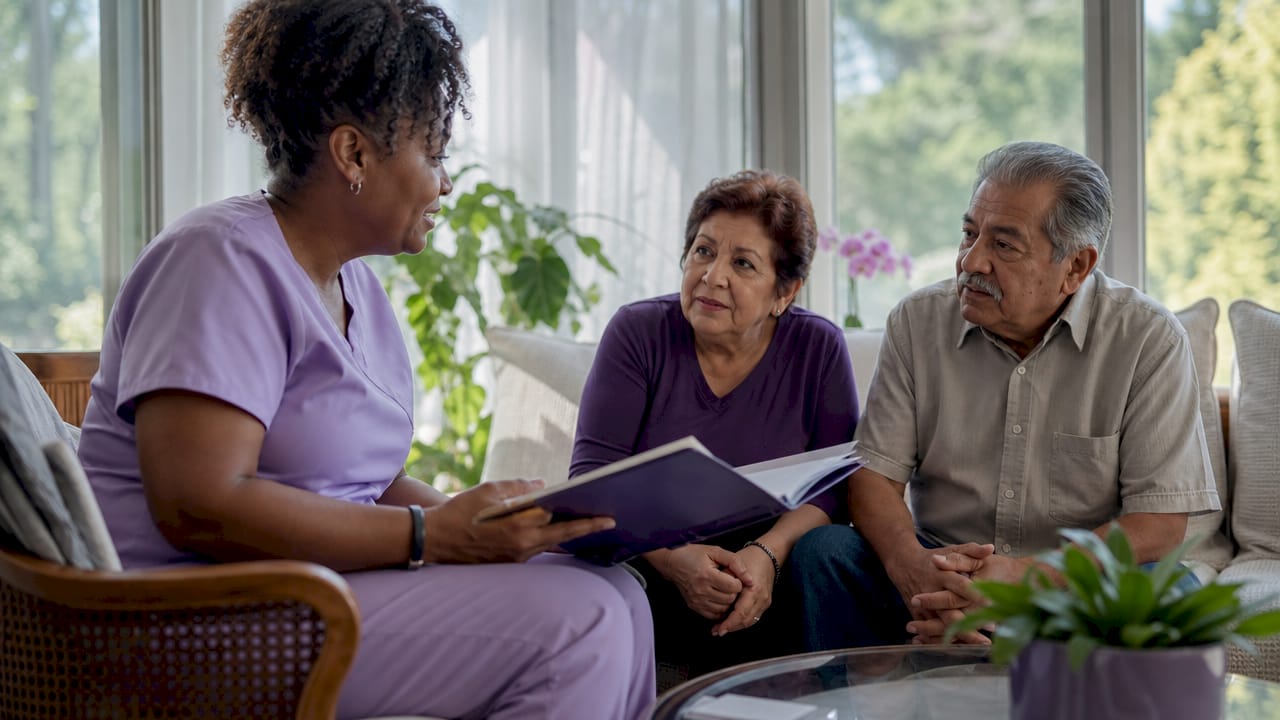
The main types of home health aide roles are Personal Care Aides (PCAs), Home Health Aides (HHAs), and Certified Nursing Assistants (CNAs), each providing a different level of personal and medical care at home. These three categories define the home health aide field and shape every hiring and career decision within it. Families choosing care for an elderly parent and job seekers entering home healthcare both need to understand these distinctions. The differences come down to scope of care, supervision level, and certification requirements. Helping-hands-home-care works with all three role types to deliver quality in-home care to elderly clients.
1. What are the types of home health aide roles?
The three primary home care job types are PCAs, HHAs, and CNAs. Each role sits at a different point on the care spectrum, from non-medical companionship to clinical nursing support. Federal training standards separate these roles more clearly than job titles alone ever could. Understanding the distinctions helps families match the right aide to their loved one’s actual needs, and helps job seekers target the right certification path from the start.

2. Personal Care Aides: scope, tasks, and work settings
Personal Care Aides provide non-medical support focused on daily living activities and companionship. They do not perform clinical tasks, and federal regulations do not require PCAs to hold a medical certification. That lower barrier to entry makes PCA positions the most accessible starting point in home healthcare careers.
PCAs typically assist with:
- Activities of daily living (ADLs) such as dressing, bathing, and grooming
- Meal preparation and feeding assistance
- Light housekeeping and laundry
- Errands, grocery shopping, and transportation
- Companionship and social engagement
- Medication reminders (not administration)
PCAs work in private homes, community settings, and family residences. They often serve clients privately rather than through Medicare or Medicaid-certified agencies. That flexibility appeals to aides who want varied schedules and to families who need light, consistent support rather than medical oversight.
Pro Tip: If your elderly family member needs help with daily routines but has no active medical conditions requiring monitoring, a PCA is often the most cost-effective and flexible option. Review practical personal care examples before your first consultation.
The main limitation of a PCA role is scope. When a client’s needs shift toward health monitoring or post-hospital recovery, a PCA cannot legally step into those tasks. Families should plan for that transition early.
3. Home Health Aides: responsibilities, training, and certification
Home Health Aides perform personal care duties plus limited health-related tasks under clinical supervision. The role of home health aides sits one clear step above PCAs on the care ladder. Federal rules require at least 75 hours of training and a competency evaluation for HHAs working in Medicare or Medicaid-certified agencies. That requirement exists because HHAs handle tasks with direct health implications.
Core HHA responsibilities include:
- Bathing, grooming, and safe patient transfers
- Vital signs monitoring (blood pressure, pulse, temperature)
- Medication reminders and documentation
- Wound observation and reporting changes to a supervising nurse
- Light housekeeping and meal preparation
- Electronic visit verification (EVV) documentation
HHAs assist with bathing, grooming, safe transfers, and vital sign monitoring as standard duties. That combination of personal care and health observation makes HHAs the backbone of aging-in-place support for clients managing chronic conditions like diabetes, heart failure, or COPD.
Pro Tip: Families whose loved ones receive Medicare-funded home care must use a Medicare-certified agency. Confirm that any HHA you hire holds the required 75-hour certification and is affiliated with a certified agency. The in-home care eligibility guide explains exactly what Medicare covers.
HHAs work primarily through agencies rather than as private contractors. That agency structure provides clinical oversight, which protects both the client and the aide. For job seekers, agency employment also means access to scheduling support, liability coverage, and continuing education.
4. Certified Nursing Assistants in home care: scope and career impact
Certified Nursing Assistants perform nursing-related support tasks under the direct supervision of licensed nurses. CNAs working in home settings carry out clinical tasks that go beyond what HHAs are permitted to do, including wound care observation, catheter care, and more detailed vital signs documentation. State certification is required, and CNAs must be listed on the Nurse Aide Registry in their state.
Home health CNAs face a work environment that differs sharply from facility-based CNAs. They work alone in patients’ homes without on-site supervision, making real-time judgment calls for patient safety. They also see fewer patients per day than facility CNAs and travel between visits, which adds unpaid time to each shift.
| Feature | Home Health CNA | Facility CNA |
|---|---|---|
| Supervision | Remote, via licensed nurse | On-site, immediate |
| Patients per day | Fewer, spread across locations | More, in one building |
| Travel | Required between visits | None |
| Autonomy | High | Moderate |
| Clinical exposure | Varied, home-based | Consistent, facility-based |
The CNA credential opens doors that HHA certification does not. CNAs qualify for positions in hospitals, rehabilitation centers, and skilled nursing facilities, not just private homes. That broader employment range gives CNAs stronger negotiating power on pay and scheduling.
Career mobility is a real advantage of the CNA path. Many CNAs use the credential as a stepping stone toward Licensed Practical Nurse (LPN) or Registered Nurse (RN) programs, with some employers offering tuition reimbursement for that progression.
5. Specialized home health aide roles and career pathways
Specialization is the fastest way for aides to access premium assignments and build a sustainable career. Dementia care, pediatric home care, and post-surgical recovery are the three specializations that consistently lead to higher-acuity roles and better pay. Each requires additional training beyond standard HHA or CNA certification, but the return on that investment is measurable.
Common specialization and advancement options include:
- Dementia and Alzheimer’s care: Requires behavioral training and de-escalation skills; high demand given aging population trends
- Pediatric home care: Serves children with complex medical needs; requires pediatric-specific competency training
- Post-surgical recovery: Supports clients after orthopedic or cardiac procedures; works closely with physical therapists and nurses
- Care coordinator: A lateral move that uses field experience for scheduling, compliance auditing, and client intake
Care coordinator roles pay $45,000 to $60,000 annually and remove the physical demands of direct care. That salary range makes coordination a compelling option for experienced aides who want career longevity without the physical toll of daily patient transfers.
One underappreciated challenge in home health work is unpaid driving time. HHAs often face significant unpaid “windshield time” between patient visits. Experienced aides negotiate agency routes to cluster visits geographically, which reduces fatigue and increases billable hours per shift.
Pro Tip: If you are an HHA with 12 months of experience, check whether your state allows you to challenge the CNA exam directly. Earning CNA certification typically increases hourly wages by $2 to $5 and expands your employment options to hospitals and rehab centers.
6. How to choose the right home health aide role for your needs
Choosing the right role depends on two factors: the level of care required and the work environment that fits best. Families should assess whether their loved one needs non-medical support, health monitoring, or clinical nursing assistance before contacting any agency. Job seekers should weigh certification requirements against their timeline and financial situation.
| Role | Care level | Certification | Best for |
|---|---|---|---|
| PCA | Non-medical | None (federal) | Daily living support, companionship |
| HHA | Personal + health monitoring | 75+ hours, competency eval | Chronic condition management, aging in place |
| CNA | Clinical nursing support | State exam, registry listing | Post-acute care, complex medical needs |
For families, the difference between home care types comes down to medical complexity. A client recovering from a stroke needs an HHA or CNA, not a PCA. A client who simply needs help with meals and errands is well-served by a PCA.
For job seekers, the right entry point depends on how quickly you need to start working and how far you want to advance. PCAs can begin work with minimal training. HHAs need 75 hours of preparation. CNAs require state exam passage and registry listing. Each level adds time upfront but pays back in expanded opportunity. The step-by-step hiring guide at Helping-hands-home-care walks families through the full selection process.
Key takeaways
The most effective way to match a home health aide to a client’s needs is to align the aide’s certification level with the medical complexity of the care required.
| Point | Details |
|---|---|
| Three core role types | PCAs, HHAs, and CNAs each serve a different level of care and require different training. |
| Federal HHA training standard | HHAs must complete 75+ hours of training to work in Medicare or Medicaid-certified agencies. |
| CNA career advantage | CNA certification opens hospital and rehab roles and typically raises hourly pay by $2 to $5. |
| Specialization drives advancement | Dementia, pediatric, and post-surgical specializations lead to premium assignments and higher pay. |
| Care coordinator as lateral move | Experienced HHAs can move into coordinator roles earning $45,000 to $60,000 without direct care demands. |
What I’ve learned about home health aide roles after years in this field
The biggest mistake families make is hiring based on title rather than scope. A job title like “caregiver” tells you almost nothing about what that person is trained to do. The PCA, HHA, and CNA designations carry real legal and clinical weight. Ignoring those distinctions leads to mismatched care, frustrated aides, and sometimes unsafe situations.
What surprises most people entering this field is how much the work environment shapes the job. A CNA in a nursing facility and a CNA in a private home are doing fundamentally different work, even with the same credential. The home health version demands more independence, more judgment, and more tolerance for unpredictability. That is not a warning. It is a filter. The aides who thrive in home settings genuinely prefer the autonomy.
The career pathway conversation also gets oversimplified. People talk about “moving up” from PCA to HHA to CNA as if it is a straight ladder. The reality is more lateral than vertical. A care coordinator with five years of field experience often earns more and works more sustainably than a floor CNA. Specialization in dementia care can make an HHA more valuable than a generalist CNA in certain markets. The path is not one-size-fits-all.
My honest advice to families: do not wait for a crisis to figure out which role you need. Assess your loved one’s current condition and their likely trajectory over the next 12 months. Then hire one level above what you think you need today. The cost difference between a PCA and an HHA is smaller than the cost of a care gap.
— Michael
Trusted home health aide services from Helping-hands-home-care
Helping-hands-home-care provides trained, certified home health aides to elderly clients who want to stay safely at home. Whether your family needs a Personal Care Aide for daily support or a Home Health Aide for health monitoring and chronic condition management, the team at Helping-hands-home-care matches clients with the right level of care.
Helping-hands-home-care also offers house cleaning and massage therapy services, making it possible to coordinate multiple in-home needs through one trusted provider. Families can review the full range of home health aide services and connect with a care advisor to discuss the right fit for their situation.
FAQ
What is the difference between a PCA and an HHA?
A Personal Care Aide provides non-medical support like bathing assistance and companionship, while a Home Health Aide also monitors vital signs and performs health-related tasks under clinical supervision. HHAs must complete at least 75 hours of federally required training; PCAs have no federal certification requirement.
Do home health aides need to be certified?
HHAs working in Medicare or Medicaid-certified agencies must complete 75+ hours of training and pass a competency evaluation. PCAs generally do not require federal certification, while CNAs must pass a state exam and be listed on the Nurse Aide Registry.
Can an HHA become a CNA?
Many states allow HHAs with 12 months of experience to challenge the CNA exam directly. Earning CNA certification typically increases hourly wages by $2 to $5 and opens positions in hospitals and rehabilitation centers.
What tasks can a home health aide perform?
Home health aides assist with bathing, grooming, safe transfers, vital signs monitoring, medication reminders, light housekeeping, and electronic visit verification documentation. Tasks beyond this scope, such as wound treatment or medication administration, require a licensed nurse.
What home care job types pay the most?
Care coordinator roles, which leverage field experience in scheduling and compliance, pay $45,000 to $60,000 annually. CNAs with specializations in dementia or post-surgical care also command higher hourly rates than generalist PCAs or HHAs.