
Post-Hospital Home Care: A Family Guide to Recovery
Post-Hospital Home Care: A Family Guide to Recovery
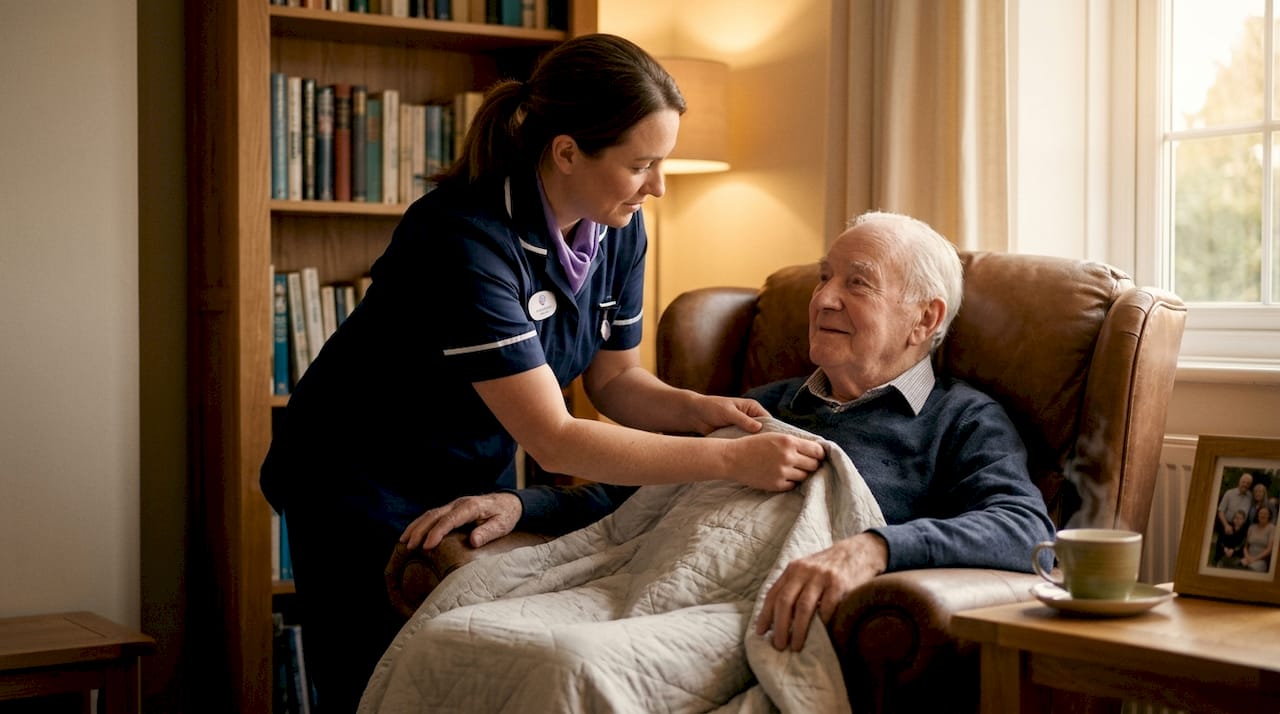
Post-hospital home care is professionally coordinated medical and supportive care delivered in a patient’s home immediately after hospitalization to aid recovery and prevent complications. The industry term for this service is “home health care,” and understanding both terms helps you communicate clearly with doctors, insurers, and agencies. For elderly patients especially, the transition from hospital to home is one of the most vulnerable periods in any recovery. Professional home care is a proven medical intervention that lowers hospital readmission rates and reduces risks including falls, medication errors, and infections. Medicare covers eligible services when a doctor certifies the need and the patient meets homebound status requirements.
What is post-hospital home care and who needs it?
Post-hospital home care is the structured support a patient receives at home after being discharged from a hospital, rehabilitation center, or skilled nursing facility. It combines medical services, such as skilled nursing and physical therapy, with non-medical support like meal preparation and personal hygiene assistance. The goal is to continue the recovery process in a familiar environment while reducing the chance of returning to the hospital.
Elderly patients recovering from surgery, a stroke, a hip fracture, or a serious illness are the most common recipients of this care. Patients who live alone or have limited family support face the greatest risk without it. Home care after hospitalization addresses both the medical and daily living needs that a hospital stay cannot fully resolve before discharge.
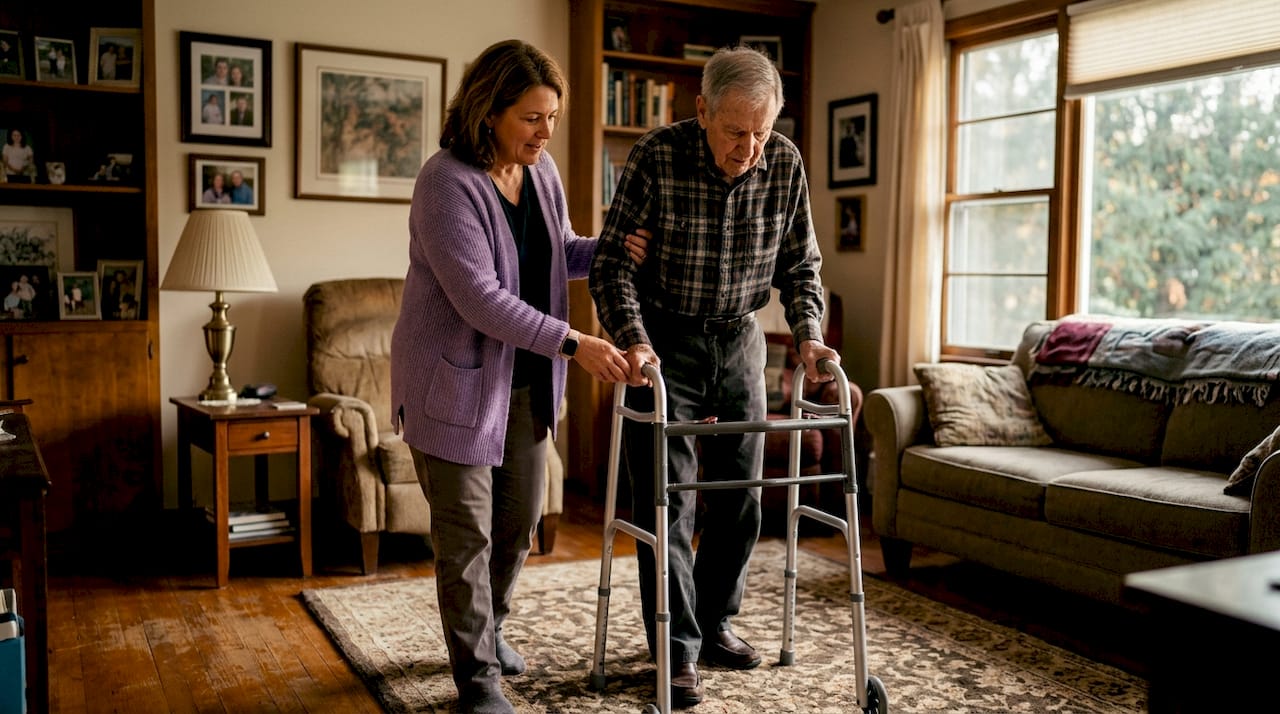
The care is not a single service. It is a coordinated plan built around the patient’s specific diagnosis, functional limitations, and home environment. A doctor must authorize the plan, and a licensed home health agency typically manages the delivery of services.
What types of post-hospital home care services are available?
Post-hospital support services fall into two clear categories: medical and non-medical. Knowing the difference helps you set realistic expectations and plan for costs.
Medical home health services include:
- Skilled nursing visits for wound care, IV therapy, injections, and vital sign monitoring
- Physical therapy to rebuild strength, balance, and mobility after surgery or injury
- Occupational therapy to help patients relearn daily tasks like dressing and cooking
- Speech therapy for patients recovering from stroke or swallowing difficulties
- Medical social work to connect families with community resources and counseling
Non-medical home care services include:
- Assistance with bathing, grooming, and toileting
- Meal preparation and nutrition monitoring
- Medication reminders (not administration, which requires a nurse)
- Light housekeeping and laundry
- Companionship and transportation to follow-up appointments
Home care aides can assist with daily living activities such as meal preparation, bathing, medication reminders, and transportation to appointments during recovery. These non-medical services support independence and mental well-being alongside the clinical work. Medicare covers the medical tier but does not cover 24/7 care or homemaker services if that is the only care needed.
Pro Tip: Ask the hospital discharge planner to list every service the doctor has ordered before you leave. That list becomes your baseline for comparing home health agencies and understanding what Medicare will pay for.
How does Medicare coverage work for post-hospital home care?
Medicare covers skilled home health services after hospitalization only if the patient is homebound and under a doctor’s care needing intermittent skilled care. “Homebound” does not mean bedridden. It means leaving home requires considerable and taxing effort, such as needing a wheelchair, walker, or assistance from another person.
To qualify, a doctor must certify that:
- The patient is homebound as defined by Medicare
- Skilled care (nursing or therapy) is medically necessary
- The care will be provided by a Medicare-certified home health agency
- The patient needs intermittent, not continuous, skilled services
When all criteria are met, Medicare pays $0 for eligible services. Patients pay 20% of the Medicare-approved amount for durable medical equipment, such as a hospital bed or wheelchair, after the Part B deductible of $257 in 2025.
| Service Type | Medicare Coverage | Patient Cost |
|---|---|---|
| Skilled nursing visits | Covered (intermittent) | $0 when eligible |
| Physical/occupational therapy | Covered | $0 when eligible |
| Home health aide (with skilled care) | Covered | $0 when eligible |
| Durable medical equipment | 80% covered | 20% after Part B deductible |
| 24/7 custodial care | Not covered | Full out-of-pocket |
| Homemaker services only | Not covered | Full out-of-pocket |
Most families assume Medicare covers around-the-clock care. It does not. This coverage gap often leads to unexpected care challenges at home, particularly overnight or on weekends when no aide is scheduled. Planning for that gap before discharge is critical.
Pro Tip: Review the Medicare eligibility guide before your loved one is discharged. Knowing the exact documentation your doctor needs to submit prevents claim denials and delays in starting care.
How to plan and coordinate effective post-hospital home care
Planning post-hospital care during the hospital stay leads to better outcomes and smoother transitions. Delayed planning limits recovery success. The best time to start is the day of admission, not the day of discharge.
A coordinated plan involves several key steps:
- Talk to the hospital social worker or case manager. They assess the patient’s functional needs, identify coverage options, and connect families with certified home health agencies.
- Prepare the home environment. Remove trip hazards, install grab bars in the bathroom, and arrange furniture to allow walker or wheelchair access. A home safety checklist can guide this process before the patient arrives.
- Choose a Medicare-certified agency. Not all home health agencies accept Medicare. Confirm certification before signing any agreement.
- Establish a communication plan. Designate one family member as the primary contact for the agency, the doctor, and the pharmacy. Fragmented communication is the leading cause of medication errors at home.
- Review the care plan with the patient. Elderly patients recover better when they understand their own plan and feel involved in decisions.
Post-acute care accounts for roughly 40% of Medicare’s traditional fee-for-service spending on institutional care. Home health care, when arranged correctly, delivers comparable outcomes at a fraction of that cost. That financial reality makes proper planning not just a health decision but a practical one.
Pro Tip: Ask the agency for a written home care plan within 48 hours of starting services. A written plan gives you a clear record to reference if services change or disputes arise.
What are the common risks during home recovery and how does home care help?
Home recovery carries real dangers when professional support is absent. The four most common risks are falls, medication errors, infections, and hospital readmission. Each one is preventable with the right level of care in place.
Falls are the leading cause of injury-related hospitalization among elderly adults. A skilled nurse or physical therapist identifies fall hazards and teaches safe movement techniques during recovery. Medication errors occur when patients manage complex drug regimens alone, particularly after a hospital stay when prescriptions often change. A nurse who visits regularly catches dosing mistakes before they become emergencies.
“Recovery at home reduces the risk of hospital readmissions, infections, falls, and medication errors. Professional home care supports nutrition, mobility, medication management, and mental health, making it a medical intervention, not just a convenience.”
Family caregiver burnout is a serious and underreported problem. Spouses and adult children who take on full caregiving responsibilities without professional backup often experience exhaustion, depression, and physical injury from lifting or transferring patients. Bringing in a professional aide, even for a few hours a day, gives family caregivers necessary rest and reduces the risk of care errors caused by fatigue.
Mental health matters as much as physical recovery. Patients who recover at home report higher satisfaction and lower rates of depression than those who spend extended time in institutional settings. Familiar surroundings, personal routines, and family presence all contribute to faster healing. When care needs increase beyond what home health can safely manage, a transition to a skilled nursing facility or subacute rehab becomes the appropriate next step.
Key Takeaways
Post-hospital home care is a medically supervised, coordinated service that prevents readmission and supports full recovery when planned early and matched to the patient’s actual needs.
| Point | Details |
|---|---|
| Definition matters | Post-hospital home care combines skilled medical services and daily living support under a doctor’s care plan. |
| Medicare has limits | Medicare covers intermittent skilled care but not 24/7 or custodial-only services, leaving gaps families must plan for. |
| Plan before discharge | Starting care coordination during the hospital stay produces better outcomes than arranging care after the patient is home. |
| Home is safer with support | Professional care reduces falls, medication errors, infections, and readmission rates for elderly patients. |
| Non-medical care fills the gaps | Aide services for bathing, meals, and companionship support recovery where Medicare coverage ends. |
What I’ve learned from watching families navigate this transition
Families consistently underestimate how much changes in the first 72 hours after discharge. The patient arrives home tired, the medications are different from what they took before admission, and the house that felt safe last month suddenly has three steps that nobody thought about. That gap between hospital discharge and the first home health visit is where most problems start.
The biggest misconception I see is that Medicare will handle everything. It will not. Medicare covers the skilled clinical work, and that coverage is genuinely valuable. But it leaves the overnight hours, the weekends, and the non-medical daily tasks entirely to the family. Families who understand this before discharge make better decisions. Those who discover it on a Saturday night are the ones calling 911.
My honest advice: treat the care plan like a living document, not a form you sign once. Recovery changes week by week. A patient who needed daily nursing visits in week one may only need therapy twice a week by week four. Adjusting the plan as the patient improves keeps costs reasonable and preserves Medicare eligibility for when it is genuinely needed. The families who communicate regularly with the agency and the doctor get the best outcomes. The ones who assume everything is fine until it is not are the ones who end up back in the hospital.
— Michael
How Helping-hands-home-care supports families after hospitalization
Helping-hands-home-care provides quality in-home care for elderly patients returning home after a hospital stay, with services that cover both the medical and daily living needs families face during recovery.
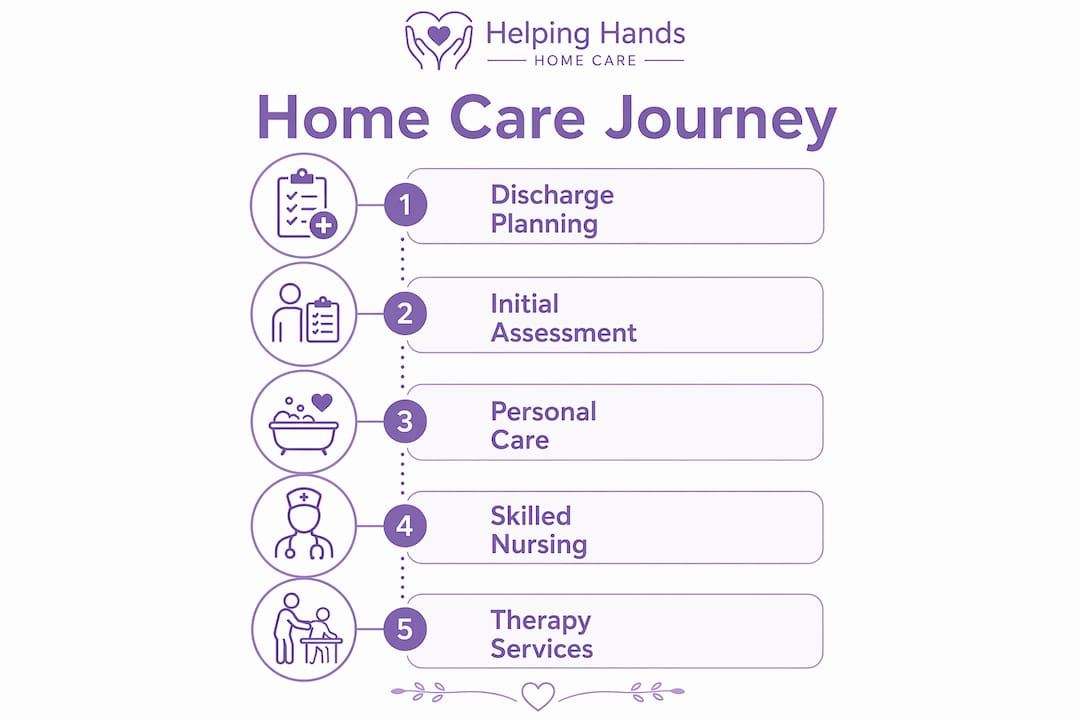
From home health aide services that support skilled nursing care to house cleaning that keeps the recovery environment safe and sanitary, Helping-hands-home-care builds care plans around each patient’s specific situation. The team works directly with families to fill the gaps Medicare does not cover, including overnight support, personal care, and companionship. Explore the full range of services or contact Helping-hands-home-care directly to discuss your loved one’s needs and arrange care before discharge day arrives.
FAQ
What is post-hospital home care in simple terms?
Post-hospital home care is professional medical and personal support provided in a patient’s home after a hospital discharge to continue recovery and prevent complications. It includes skilled nursing, therapy, and daily living assistance coordinated under a doctor’s care plan.
Does Medicare pay for home care after a hospital stay?
Medicare covers intermittent skilled nursing and therapy services when the patient is homebound and a doctor certifies medical necessity. It does not cover 24/7 care or non-medical homemaker services provided alone.
How soon can home care start after discharge?
Home care can begin the same day as discharge when an agency is arranged before the patient leaves the hospital. Starting the planning process during the hospital stay is the most reliable way to avoid a gap in care.
What does “homebound” mean for Medicare eligibility?
Homebound means leaving home requires considerable and taxing effort, such as needing a walker, wheelchair, or help from another person. A patient does not need to be bedridden to qualify.
What happens when Medicare home health coverage ends?
When Medicare coverage ends, families can continue care privately through a home health agency or transition to a higher level of care such as a skilled nursing facility if medical needs require it. Reviewing payment options for seniors early helps families prepare for this transition.
Recommended
- Why Home Care Improves Recovery for Elderly Patients | Helping Hands Home Care
- Talking to Parents About Home Care: A Family Guide | Helping Hands Home Care
- Home Care Services for Seniors: A Family Guide | Helping Hands Home Care
- Palliative Care at Home Explained for Families | Helping Hands Home Care