
What Is a Live-In Caregiver? Your 2026 Family Guide
What Is a Live-In Caregiver? Your 2026 Family Guide
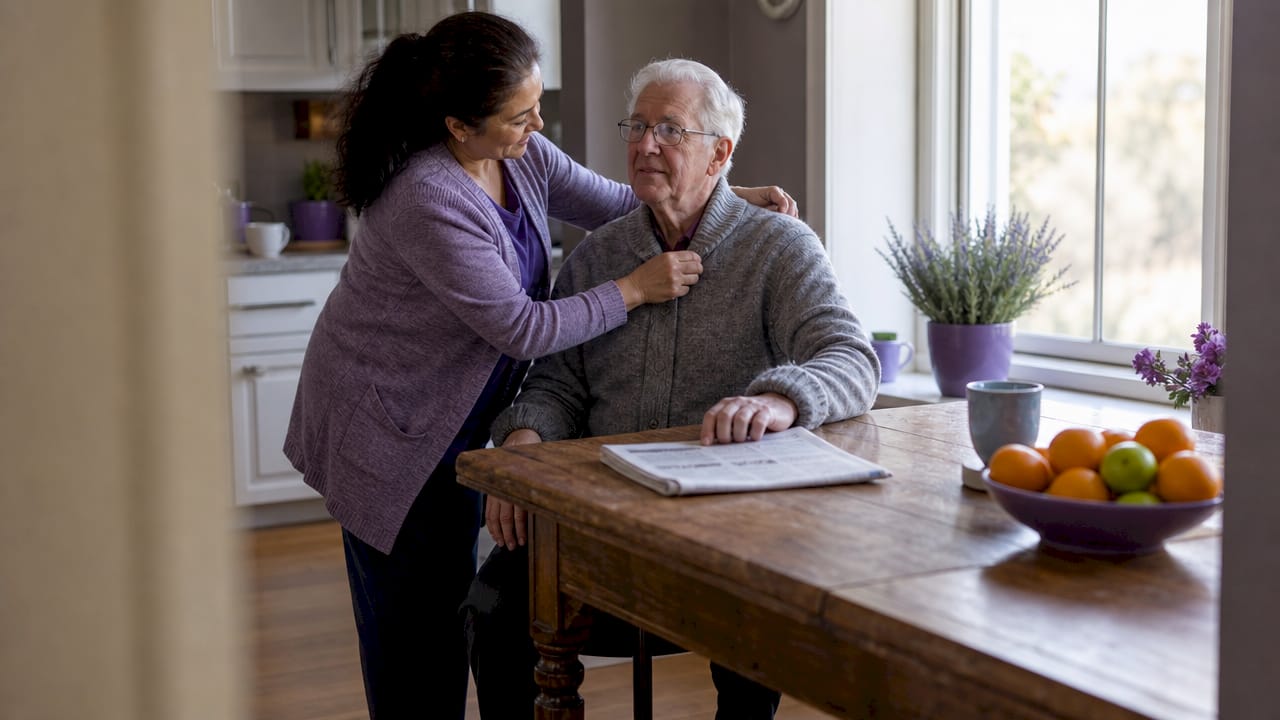
A live-in caregiver is a professional who resides in an elderly person’s home to provide daily personal care, companionship, and overnight presence while taking legally mandated rest breaks. This arrangement is distinct from 24/7 rotating shift care, where multiple caregivers cycle through the home around the clock. The national median cost of live-in home care runs about $34 per hour, making it a more affordable option than full nursing home placement for many families. For elderly individuals who need consistent support but want to remain at home, a live-in caregiver delivers both safety and familiarity in a single arrangement.
What does a live-in caregiver do every day?
Live-in caregivers assist with activities of daily living including bathing, dressing, grooming, meal preparation, light housekeeping, mobility support, and medication reminders. Their role covers both physical safety and emotional well-being, making them a central figure in a senior’s daily life. The scope is broad but stays within non-medical boundaries. A live-in caregiver does not administer injections or perform clinical procedures. Those tasks require licensed nursing staff.
Here is a clear breakdown of core live-in caregiver responsibilities:
- Personal hygiene assistance: Bathing, grooming, oral care, and dressing support
- Mobility and fall prevention: Helping seniors move safely around the home, including transfers from bed to chair
- Medication reminders: Prompting the senior to take prescribed medications on schedule, without administering them
- Meal preparation: Planning and cooking nutritious meals based on dietary needs or restrictions
- Light housekeeping: Laundry, dishes, vacuuming, and general tidying to maintain a safe living space
- Companionship: Conversation, shared activities, and emotional support that reduces isolation and improves mental health
- Errand assistance: Accompanying seniors to appointments or managing grocery shopping
One detail families often miss is the rest requirement. Live-in caregivers work around 10 hours of active care daily and are legally entitled to at least 5 uninterrupted hours of sleep each night. They remain on-site during rest periods for emergencies, but they are not awake and working around the clock.
Pro Tip: Set a written daily schedule with your caregiver during the first week. Defining active care hours, meal times, and rest windows prevents misunderstandings and protects both the caregiver and your family member.
How does live-in care compare to hourly and 24/7 rotating care?
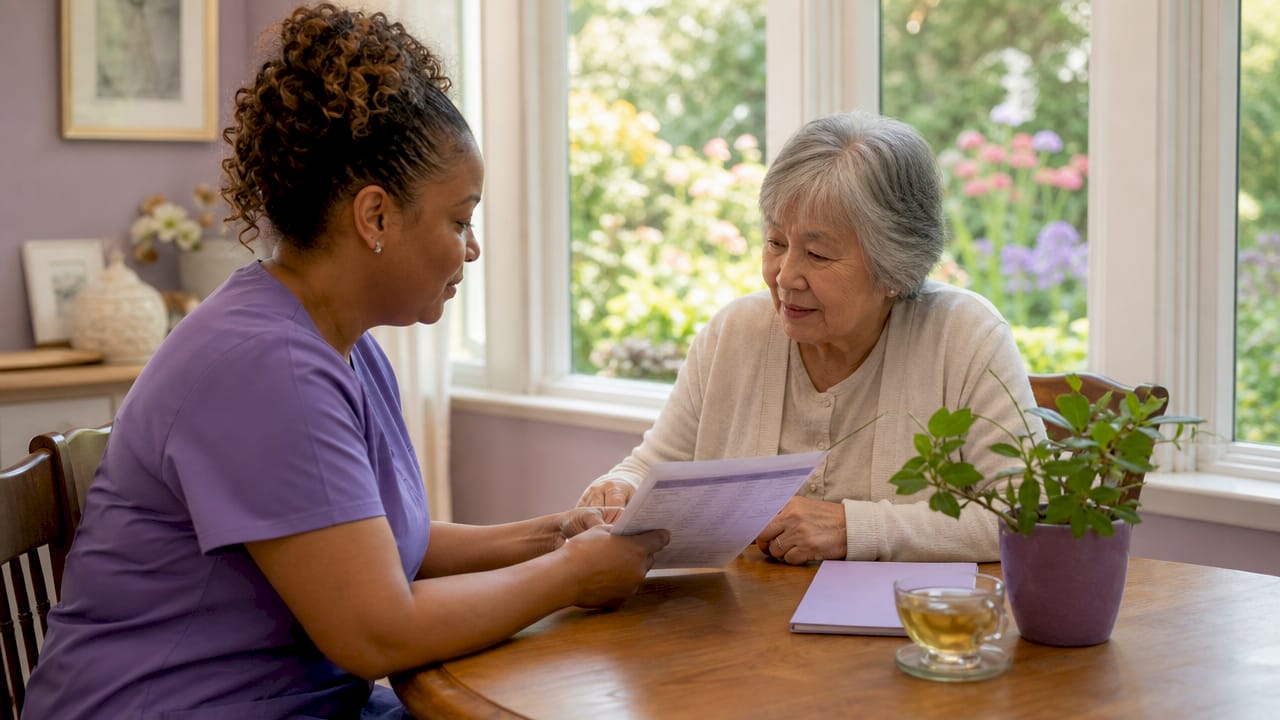
The most meaningful difference between care models is caregiver consistency. A single consistent caregiver builds a trusting relationship with the senior, which reduces anxiety and creates a stable routine. Rotating shift care cycles multiple caregivers through the home, which can disorient seniors with cognitive decline. Hourly care sends a caregiver for a set number of hours per day, leaving the senior alone the rest of the time.
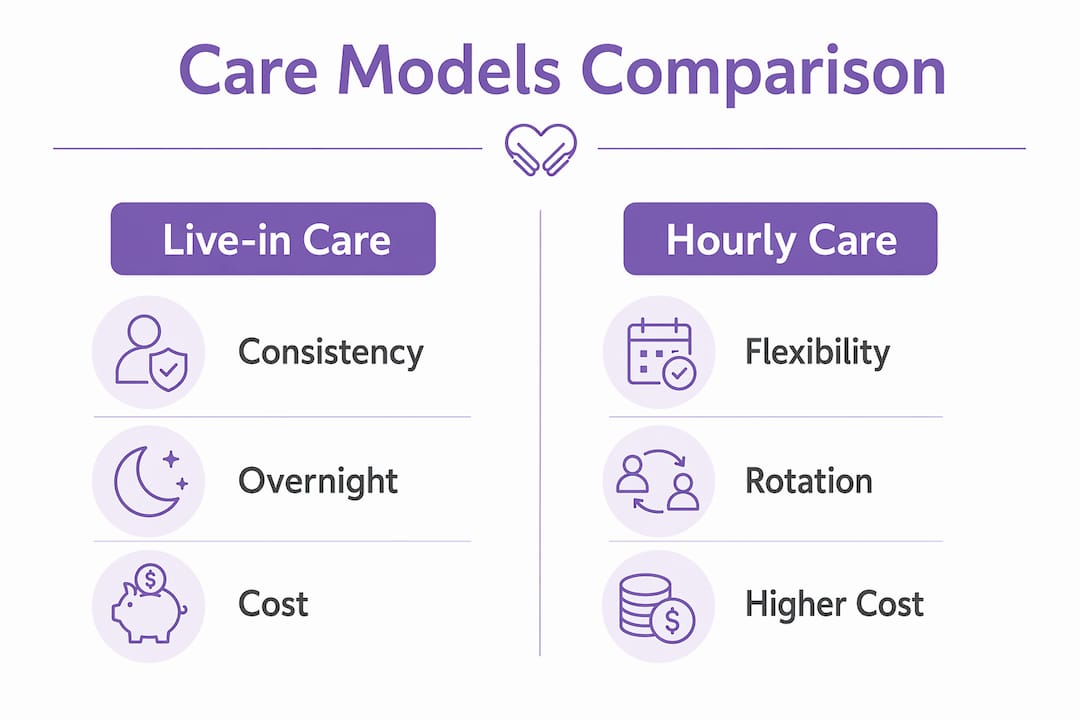
| Care model | Caregiver consistency | Overnight presence | Relative cost |
|---|---|---|---|
| Live-in care | Single caregiver | Yes, with rest breaks | Moderate |
| Hourly home care | Varies by schedule | No | Lower per visit |
| 24/7 rotating shifts | Multiple caregivers | Yes, continuous | Highest |
| Nursing home | Shared staff | Yes, facility-based | Highest overall |
Cost is a real factor. The live-in model often costs less than full 24/7 rotating care because you are paying for one caregiver’s time rather than overlapping shifts. For a detailed breakdown of how home care costs stack up against nursing home placement, the home care vs. nursing home guide from Helping-hands-home-care walks through the numbers clearly.
The live-in model does have limits. Seniors with advanced medical needs or who require continuous overnight monitoring may need supplemental nursing visits or a full rotating shift arrangement. The right model depends on the senior’s specific health conditions, not just preference.
Pro Tip: Before committing to a live-in arrangement, have a geriatric care manager assess your relative’s overnight needs. If they wake frequently and need hands-on help multiple times per night, a live-in caregiver’s rest period may not cover those gaps.
Who benefits most from live-in care?
Live-in care works best for seniors who thrive on routine and familiarity. This model suits those with moderate dementia, fall risk, or significant loneliness who want to age in place rather than move to a facility. The consistency of one caregiver reduces the confusion that comes with rotating staff, which matters greatly for cognitive conditions.
Families should consider live-in care when:
- The senior needs help with multiple daily activities but does not require continuous clinical monitoring
- Overnight presence is needed for safety or reassurance, even if hands-on care is minimal during those hours
- The senior has early to moderate dementia and benefits from a predictable face and routine
- Loneliness or depression is a concern, and consistent companionship would improve quality of life
- The family lives far away and cannot provide daily check-ins
Live-in care also supports aging in place by balancing meaningful independence with reliable support. Seniors keep their own home, their own belongings, and their own schedule, which preserves dignity in a way that facility care rarely matches. Housekeeping support is part of that picture. Helping-hands-home-care’s in-home cleaning guide explains how a clean, organized home environment directly supports senior safety and well-being.
Seniors who need continuous skilled nursing care, frequent medical interventions, or who have advanced mobility impairments requiring two-person transfers are generally better served by a different model. Live-in care fills the gap between occasional hourly visits and full institutional care.
How do you hire a live-in caregiver?
Hiring a live-in caregiver involves two distinct paths: hiring independently or going through a licensed home care agency. Each path carries different responsibilities and costs.
-
Define the care needs clearly. Write out the senior’s daily schedule, medical conditions, dietary restrictions, mobility level, and any behavioral considerations. This document becomes the job description.
-
Choose between independent hire and agency placement. Families hiring independently take on employer responsibilities including payroll taxes, scheduling, and arranging backup coverage when the caregiver is sick or on days off. Agencies handle these tasks but charge more for the service.
-
Run a thorough background check. Whether hiring independently or through an agency, verify criminal history, professional references, and any required certifications. Agencies typically include background checks and training as part of their placement process.
-
Establish clear role boundaries in writing. Define active care hours, rest periods, days off, and which tasks fall within scope. A written agreement protects both parties and prevents scope creep over time.
-
Prepare the home. The caregiver needs a private bedroom, bathroom access, and a clear understanding of household rules. A comfortable living arrangement for the caregiver directly affects retention and quality of care.
-
Plan for backup coverage. Even the best caregiver gets sick or needs time off. Families hiring independently must have a backup plan. Agencies typically provide substitute caregivers as part of the arrangement.
The step-by-step process for hiring a caregiver from Helping-hands-home-care covers each stage in detail, including what questions to ask during interviews.
Pro Tip: Ask any caregiver candidate how they have handled a medical emergency alone in the home. Their answer reveals both their training level and their composure under pressure.
Key Takeaways
A live-in caregiver provides consistent, non-medical daily support and overnight presence in the senior’s home, making it the most cost-effective care model for families who need more than hourly visits but less than full rotating shift coverage.
| Point | Details |
|---|---|
| Live-in caregiver definition | A professional who lives in the home and provides daily personal care, companionship, and overnight presence. |
| Rest periods are required | Caregivers work about 10 active hours daily and must receive at least 5 uninterrupted hours of sleep nightly. |
| Consistency is the key benefit | A single caregiver builds trust and routine, which reduces anxiety especially for seniors with cognitive decline. |
| Cost sits between hourly and 24/7 care | At a national median of about $34 per hour, live-in care costs less than full rotating shift arrangements. |
| Agency vs. independent hire | Agencies manage taxes and backup coverage; independent hiring costs less but transfers employer duties to the family. |
What families get wrong about live-in care
Most families come to me with the same assumption: they believe a live-in caregiver is awake and available every hour of every day. That belief sets up the arrangement to fail before it starts.
The legal reality is that caregivers must have rest breaks and nights off. A caregiver who is pushed past those limits burns out fast, and caregiver burnout leads to poor care, sudden resignations, and real safety risks for the senior. I have seen families lose excellent caregivers within two months simply because no one set clear expectations at the start.
The second thing families underestimate is the relationship factor. Live-in care works because one person shows up every day and learns the senior’s preferences, moods, and rhythms. That familiarity is genuinely therapeutic, not just convenient. Seniors with early dementia often do better with a live-in arrangement than with rotating hourly visitors precisely because the face is always the same.
My honest advice: treat the caregiver like a professional with a real schedule, not a round-the-clock resource. Build in days off, honor the rest period, and check in regularly. Families who do this keep their caregivers longer and see better outcomes for their relatives.
— Michael
Professional live-in care from Helping-hands-home-care
Helping-hands-home-care provides professional in-home care for elderly individuals, including live-in caregiver placement and daily support services designed around each client’s specific needs.

Families working with Helping-hands-home-care get access to screened, trained caregivers who understand both the practical and emotional sides of elder care. The full range of services includes personal care, companionship, housekeeping support, and more. For families ready to take the next step, the home health aid page outlines caregiver qualifications and how the placement process works. Contact Helping-hands-home-care directly to discuss your family’s situation and find the right care arrangement.
FAQ
What is the live-in caregiver definition?
A live-in caregiver is a professional who resides in the client’s home and provides daily non-medical support including personal care, meal preparation, companionship, and overnight presence with legally required rest periods.
How many hours does a live-in caregiver work per day?
Live-in caregivers typically provide around 10 hours of active care daily and are entitled to at least 5 uninterrupted hours of sleep each night, remaining on-site for emergencies during rest periods.
What is the cost of live-in caregiver services?
The national median cost of live-in home care is approximately $34 per hour, which is generally more affordable than full 24/7 rotating shift care or nursing home placement.
What are the main benefits of live-in caregivers for seniors?
The primary benefits are consistency, routine, and companionship. A single caregiver builds a trusting relationship that reduces anxiety, supports cognitive stability, and improves overall mental health for elderly clients.
Should I hire a live-in caregiver independently or through an agency?
Hiring through an agency costs more but includes background checks, training, and backup coverage. Hiring independently costs less but transfers employer responsibilities like payroll taxes and scheduling to the family.
Recommended
- How to Hire an In-Home Caregiver Step by Step | Helping Hands Home Care
- How to Prepare Home for Caregiver: 2026 Safety Guide | Helping Hands Home Care
- Home Care Services for Seniors: A Family Guide | Helping Hands Home Care
- Home Care vs. Adult Day Programs: Family Guide 2026 | Helping Hands Home Care