
ADL Support Explained: A Practical Guide for Caregivers
ADL Support Explained: A Practical Guide for Caregivers
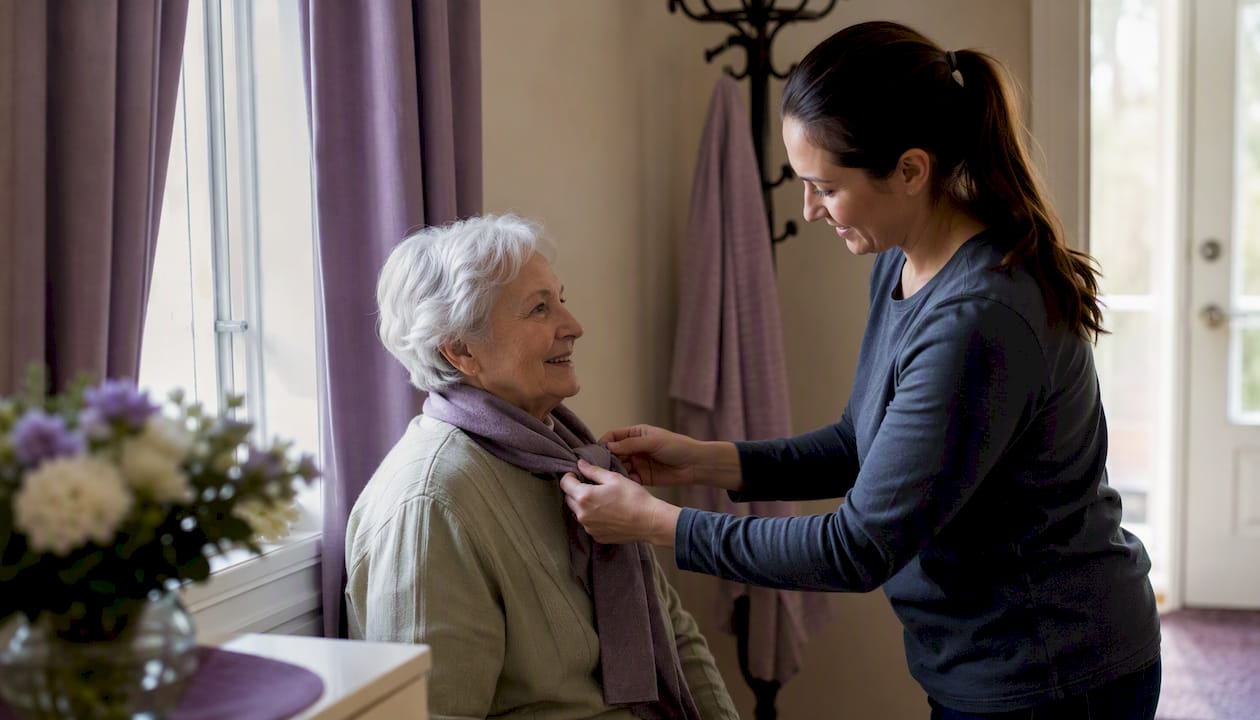
ADL support means help with the basic self-care tasks a person must perform every day to stay safe and maintain their body. The six core activities are eating, bathing, dressing, toileting, transferring (moving between a bed and a chair), and continence. Beyond these basics, a second category called Instrumental Activities of Daily Living (IADLs) covers higher-level tasks like managing medications, preparing meals, shopping, handling finances, and arranging transportation. The sections below explain both categories in depth, cover who provides help, how clinicians measure need, and what caregivers should do next.
According to the Cleveland Clinic, ADLs are routine tasks required to care for the body, and clinicians use ADL assessment to identify the level of support a person needs and recommend appropriate interventions.
Key takeaways
ADL support is most effective when it starts with a formal assessment, matches the right provider to the level of need, and actively preserves the person’s remaining independence rather than replacing it.
| Point | Details |
|---|---|
| Core BADLs to know | Eating, bathing, dressing, toileting, transferring, and continence are the six basic ADLs clinicians assess first. |
| IADL loss is an early warning | Difficulty with medications, finances, or cooking often precedes BADL decline and signals time for a formal evaluation. |
| Assessment drives care planning | The Katz Index and tools like the Lawton IADL Scale translate functional observations into care plans and eligibility decisions. |
| Coverage varies by payer and care type | Medicare covers skilled care under specific conditions; Medicaid HCBS waivers and long-term care insurance rules vary by state and policy. |
| Helping-hands-home-care | Provides in-home ADL assistance, meal prep, cleaning, and therapeutic massage in metro Detroit on a private-pay, no-contract basis. |
Table of Contents
- What is ADL support, and how do basic ADLs differ from IADLs?
- Who provides ADL support, and where does it happen?
- How clinicians assess ADL needs
- Goals and approaches to ADL support
- Signs someone may need ADL support, and what to do next
- How ADL support gets paid for
- Common misconceptions about ADL support
- Legal rights and protections for people receiving ADL support
- How ADL support needs change over time
- Barriers families face when trying to access ADL support
- Why family education makes ADL assistance work better
- An honest perspective on what ADL support actually requires
- Hands-on ADL support in metro Detroit: what Helping-hands-home-care offers
- Sources
What is ADL support, and how do basic ADLs differ from IADLs?
Basic ADLs (BADLs) and IADLs are distinct categories that measure different levels of functional ability. BADLs reflect the most fundamental self-care: eating, bathing, dressing, toileting, transferring, and continence. These tasks are tied directly to bodily survival and safety. When someone struggles with even one of them, the risk of injury, malnutrition, or infection rises quickly.
IADLs sit one level up. They require planning, memory, and coordination rather than just physical ability. Common examples include:
- Managing medications and refills
- Cooking and meal preparation
- Grocery shopping and errands
- Paying bills and managing finances
- Arranging or using transportation
- Housekeeping and laundry
IADL loss often appears before BADL loss, which makes it a useful early warning sign. A person who stops paying bills on time or lets the kitchen become unsafe may still be bathing and dressing independently. Catching that pattern early creates a window for intervention before more serious decline sets in.
Some assessment tools use expanded 12-item lists that add grooming, communication, and leisure activities. The specific items vary by tool and agency, so a single checklist found online may not match what a clinician uses. The takeaway: rely on a formal assessment rather than a checklist you found on your own.
Who provides ADL support, and where does it happen?
The right provider depends on the type of help needed and whether that help is considered skilled or custodial care.
Common provider types:
- Family or informal caregiver. A spouse, adult child, or neighbor who assists with daily tasks without formal training or pay. Family-provided help is the most common form of ADL support in the United States.
- Home health aide or personal care aide. A trained worker who assists with bathing, dressing, grooming, and mobility in the person’s home. See personal care assistance examples for a detailed breakdown of what these aides typically do.
- Occupational therapist (OT). A licensed clinician who evaluates functional ability, recommends adaptive equipment, trains caregivers, and designs home modifications to support safer ADL performance.
- Licensed nurse (RN or LPN). Provides skilled care such as wound management, injections, or medication administration. Skilled nursing is distinct from personal care and often triggers different coverage rules.
- Assisted living or nursing facility staff. Provide ADL assistance in a residential setting, ranging from reminders and supervision to full hands-on help.
The custodial vs. skilled distinction matters practically. Custodial care (bathing, dressing, feeding) is considered non-medical personal care. Skilled care (nursing, therapy) requires a licensed professional and meets a higher clinical threshold. That difference affects who can deliver the service and whether Medicare or insurance will pay for it.
Where help happens also shapes the options. In-home support keeps the person in familiar surroundings and is often the first choice. Adult day services provide structured daytime programming outside the home. Assisted living communities offer 24-hour support for people who need consistent help but not round-the-clock nursing. Nursing facilities handle the most complex medical and ADL needs. Short-term support often follows a hospital discharge or injury; long-term support reflects a chronic or progressive condition.

How clinicians assess ADL needs
The most widely used tool is the Katz Index of Independence in Activities of Daily Living, developed by Sidney Katz in the 1960s. It scores six BADLs (bathing, dressing, toileting, transferring, continence, and feeding) on a simple independent/dependent scale. A score of 6 indicates full independence; a score of 0 indicates dependence across all six tasks. A score of 4 or below typically signals a significant need for support and often triggers referrals for home health, assisted living evaluation, or increased caregiver involvement.
Other tools fill gaps the Katz Index leaves open:
| Assessment Tool | What It Measures | Best Used For |
|---|---|---|
| Katz Index | Six basic ADLs, independence vs. dependence | Quick clinical screening, eligibility decisions |
| Lawton IADL Scale | Eight IADLs including phone use, finances, medications | Early cognitive decline, community-living ability |
| RAI/RAI-MDS | Self-performance and assistance levels across ADLs and IADLs | Nursing facility care planning, staffing decisions |
| Functional performance observation | Real-time task completion observed by a clinician | Complex cases, cognitive impairment, OT evaluation |
Clinicians rarely look at a single ADL in isolation. The CIHI RAI-MDS framework codes self-performance across a recent observation window (typically 3–7 days) and assigns assistance levels ranging from independent to total dependence. That time-window approach captures what a person actually did, not just what they theoretically can do.
A comprehensive geriatric assessment goes further, pairing ADL and IADL scores with cognitive, social, and environmental data to link findings directly to tailored interventions.
Assessments typically happen at hospital discharge, during a primary care visit, at home health intake, or as part of a geriatric evaluation. A score that changes after a stroke or fall can shift a person from one level of care to another within days.
Pro Tip: Standardized tools like the Katz Index are useful for clinical communication, but research shows they can miss cultural nuances and cognitive subtleties. Ask for a performance-based evaluation by an occupational therapist when a checklist score doesn’t match what you’re seeing at home.
Goals and approaches to ADL support
The primary goal of ADL support is not to take over tasks but to maintain the highest possible level of independent function. Doing everything for someone who can still do part of a task themselves accelerates skill loss and reduces motivation. The clinical aim, as geriatric assessment guidelines describe it, is to tailor interventions to the person’s health, cognition, and social context.
Common approaches include:
- Assistive devices. Grab bars, shower chairs, long-handled reachers, adaptive utensils, and dressing aids reduce physical effort and fall risk without removing independence.
- Home modifications. Removing trip hazards, improving lighting, widening doorways, and installing ramps make the environment work with the person rather than against them.
- Task simplification. Breaking a complex task like dressing into smaller steps, laying out clothes in order, or using Velcro instead of buttons can preserve independence longer.
- Caregiver training. Teaching family members safe transfer techniques, proper positioning, and how to cue rather than assist reduces injury risk for both parties.
- Occupational therapy. OTs assess real-world performance, recommend equipment, and train both the person and their caregivers on adapted techniques.
Pro Tip: Overhelping is a real risk. If a person can button their shirt slowly but safely, doing it for them every morning removes a daily opportunity for motor practice. Reserve hands-on help for tasks that genuinely pose a safety risk.
Signs someone may need ADL support, and what to do next
Observable red flags often appear before a formal diagnosis. Watch for:
- Unexplained weight loss or skipped meals
- Noticeable decline in personal hygiene (unwashed hair, body odor, unchanged clothing)
- Difficulty getting in or out of bed, a chair, or the bathtub
- Missed or doubled medications
- A kitchen that is unsafe or disorganized (expired food, forgotten burners)
- Frequent falls or near-falls
- Soiled clothing or linens that aren’t being changed
If you notice two or more of these signs consistently, act rather than wait.
What to do next:
- Talk to the person’s primary care provider and describe specific examples, not general impressions.
- Request a formal functional assessment or referral to an occupational therapist.
- Document what you’ve observed, with dates, so the provider has concrete information.
- Ask about home health services and whether a home health evaluation is appropriate.
- Review the home for immediate safety risks. A home safety checklist can help you identify hazards before a caregiver visit.
- Ask the provider: “Which ADLs are most affected right now? What can we do this week to reduce fall or injury risk?”
The role of a home caregiver includes exactly this kind of observation and documentation. Providers rely on caregiver reports because they reflect what actually happens at home, not just what a 20-minute clinic visit shows.
How ADL support gets paid for
Coverage depends on the payer, the type of care, and the state. No single rule applies universally.
Medicare covers skilled home health services (nursing, physical therapy, occupational therapy) when a person is homebound and a physician certifies medical necessity. It generally does not cover custodial personal care (bathing, dressing) on its own.
Medicaid is the primary public payer for long-term custodial care. Home and community-based services (HCBS) waivers vary significantly by state in terms of eligibility, covered services, and wait lists. Medicaid is income- and asset-based, so eligibility requires a separate determination.
Long-term care insurance may cover ADL assistance depending on policy terms. Most policies require that a person be unable to perform a set number of BADLs (often two or more) before benefits trigger. Read the policy’s benefit trigger language carefully.
Veterans’ benefits. The VA’s Aid and Attendance benefit and other programs can help eligible veterans pay for in-home ADL assistance. Contact the VA or a Veterans Service Organization for a benefits review.
Private pay. Many families pay out of pocket for home health aides or personal care services, especially when they need help quickly and cannot wait for benefit determinations.
Coverage rules turn on whether care is skilled or custodial, the specific benefit program, and state-level rules. Contact your insurer or benefits counselor, request benefit verification in writing, and ask about your local Area Agency on Aging for guidance on local programs.
Common misconceptions about ADL support
Myth: Needing ADL help means moving to a nursing home. Most ADL support is delivered at home, either by family members or paid aides. Nursing facility placement is typically a last resort when needs exceed what home-based care can safely manage.
Myth: Assistive devices replace the need for assessment. A grab bar helps, but it doesn’t tell you whether someone can safely transfer independently. Devices reduce risk; they don’t eliminate the need for a functional evaluation.
Myth: Family-provided help always counts the same as paid help for program eligibility. Federal regulatory definitions, including 24 CFR 700.105, specify that informal caregiver assistance may allow a person to meet minimal ADL performance requirements for certain programs. The nuance matters: the same level of family help that qualifies someone for one program may not satisfy another program’s criteria.
Myth: If someone can do a task, they don’t need help. Clinicians evaluate whether a task is performed safely and consistently, not just whether it’s technically possible. A person who can dress themselves but takes 45 minutes and falls twice a week doing it needs support.
A formal assessment, not a casual checklist, is the definitive way to determine what level of help is actually needed.
Legal rights and protections for people receiving ADL support
People receiving ADL support have meaningful legal protections that caregivers and families should know.
Nursing facility residents are protected under the federal Nursing Home Reform Act, which guarantees the right to dignity, privacy, and participation in care planning. Residents can refuse treatment and must be informed of their care plan.
Home care recipients retain the right to direct their own care when they have decision-making capacity. They can choose, change, or dismiss caregivers and must give informed consent before services begin.
Disability rights law. The Americans with Disabilities Act (ADA) and the Olmstead decision (1999) establish the right of people with disabilities to receive services in the most integrated setting appropriate to their needs. This is the legal foundation for community-based and in-home care over institutional placement.
Assisted living residents have rights defined by state law, which vary considerably. Most states require written disclosure of services, fees, and discharge policies before move-in.
Informal caregivers providing help for a family member should understand that their assistance may affect program eligibility determinations, as noted in federal regulatory definitions. Document the help you provide and consult a benefits counselor before applying for programs that assess ADL performance.
How ADL support needs change over time
ADL needs rarely stay static. After an acute event like a stroke, hip fracture, or major surgery, a person may go from fully independent to needing help with most BADLs within days. With rehabilitation, some of that function returns. The trajectory depends on the underlying condition, the quality of rehabilitation, and the person’s baseline health.
For progressive conditions like Alzheimer’s disease or Parkinson’s disease, the pattern is different. IADL losses typically come first: difficulty managing finances, forgetting medications, getting lost while driving. BADL losses follow as the disease advances, usually in a rough reverse order of how skills were acquired in childhood (continence and feeding are often the last to go).
After a hospitalization, even without a major diagnosis, older adults frequently experience a temporary functional decline called post-hospitalization syndrome. Muscles weaken quickly during bed rest, and tasks that were easy before admission become difficult. Short-term home health support during this window can prevent a temporary setback from becoming permanent.
Caregivers should expect to reassess needs periodically, not just at crisis points. A person’s ADL profile after several months following a hip replacement may look different from their profile at discharge, and the support plan should reflect that.
Barriers families face when trying to access ADL support
Getting help sounds straightforward. In practice, several obstacles slow the process.
Cost and coverage gaps. Medicare’s limited coverage of custodial care leaves many families paying out of pocket. Home health aide rates vary by region, and costs add up quickly for daily or round-the-clock care.
Wait lists. Medicaid HCBS waivers in many states have long wait lists, sometimes measured in years. Families who need help now often cannot rely on these programs as an immediate solution.
Workforce shortages. Home health aide shortages affect availability in many markets. Finding a qualified, reliable aide can take weeks, especially in rural areas.
Caregiver burnout. Family members often absorb ADL support tasks informally for months before seeking outside help. By the time they do, they may be exhausted and the person’s needs may have escalated significantly.
Navigating the system. Understanding which programs apply, what documentation is needed, and how to request an assessment is genuinely complex. Local Area Agencies on Aging and benefits counselors exist specifically to help families work through this. For families in the Detroit area, local caregiver support groups can also connect you with people who have navigated the same process.
Reluctance from the person needing help. Accepting ADL support can feel like a loss of independence or dignity. Framing help as a tool to stay at home longer, rather than a sign of decline, often makes the conversation easier.
Why family education makes ADL assistance work better
A home health aide who visits for four hours a day is present for a fraction of the week. Family members fill the rest. That means the quality of ADL support depends heavily on what families know and how they engage.
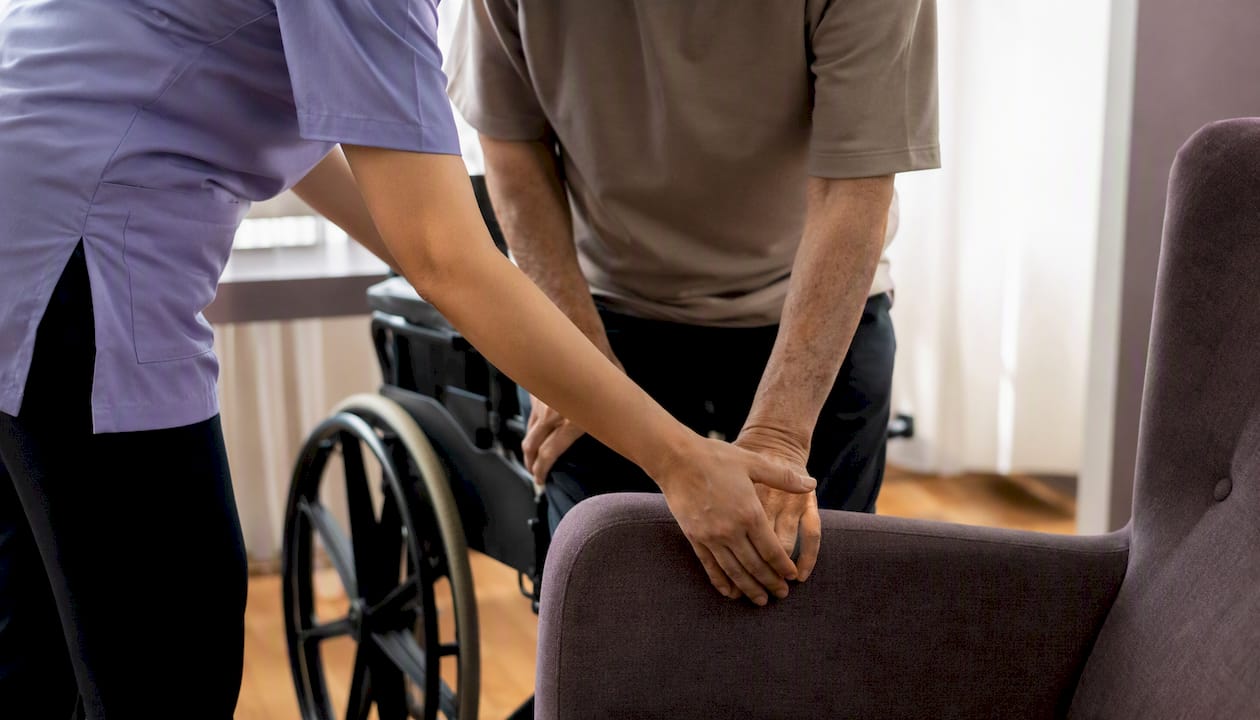
Trained family caregivers make fewer errors in transfers, medication management, and fall prevention. They also recognize changes in function faster than anyone else, because they see the person daily. That early recognition is what turns a manageable decline into a timely referral rather than an emergency.
Occupational therapists routinely include family training as part of their intervention. They teach safe body mechanics for transfers, show how to set up the environment to support independence, and explain when to assist versus when to step back and let the person try. That last point is often the hardest for families: watching someone struggle with a task feels unkind, but stepping in too quickly removes the practice that preserves skill.
Caregiver education also reduces burnout. Families who understand what to expect, how to ask for help, and where to find resources are better equipped to sustain care over months and years rather than burning out in weeks.
An honest perspective on what ADL support actually requires
The clinical framework around ADL support is solid. The Katz Index, the Lawton scale, the RAI-MDS coding system: these tools exist because functional assessment genuinely predicts care needs and guides resource allocation. That part works.
What the framework underestimates is the relational weight of ADL support. Helping a parent bathe or toilet is not a clinical task for the family member doing it. It changes the relationship, often permanently, and the emotional cost of that change is rarely discussed in assessment guides.
The families who navigate this best are the ones who get professional help involved early, before the situation becomes a crisis. Not because family care is inadequate, but because a trained aide or occupational therapist brings both skill and emotional distance that family members cannot always provide. Preserving the family relationship alongside the person’s physical safety is a legitimate goal, and it’s one that professional ADL support actively serves.
The other thing worth saying plainly: the goal of maintaining independence is real and worth pursuing, but it has limits. There comes a point where safety has to take priority over autonomy, and families often need permission to make that call. A formal assessment gives them that permission, grounded in evidence rather than guilt.
Hands-on ADL support in metro Detroit: what Helping-hands-home-care offers
When a family member needs help with bathing, dressing, meals, or daily mobility, the gap between knowing what’s needed and finding reliable help is often the hardest part. Helping-hands-home-care provides in-home personal care in the metro Detroit area, with home health aides trained to assist with the full range of basic ADLs while actively supporting the person’s remaining independence rather than replacing it.
Services include personal care and ADL assistance, in-home house cleaning to support household management, meal preparation, and therapeutic in-home massage for comfort and mobility support. Care is billed hourly or per visit on a private-pay basis, with no long-term contract required. To get started, contact Helping-hands-home-care to request an in-home assessment. A care coordinator will review your family member’s specific ADL needs and match them with the right level of support.
Sources
These sources are referenced throughout this article and are worth bookmarking for deeper reading:
- Functional assessment and activities of daily living — NCBI Bookshelf
- Evaluation of Activities of Daily Living: Current Insights and Future Horizons - PMC
- Comprehensive geriatric assessment - MSD Manual Professional Edition
- eCFR :: 24 CFR 700.105 – Definitions.
- Activities of Daily Living (ADLs) — Cleveland Clinic
- Activities of daily living (ADLs) | Care Navigator
This article is general information, not a substitute for advice from a qualified doctor. Consult a qualified healthcare professional about your own circumstances before acting on anything here.
Recommended
- How to Prepare Home for Caregiver: 2026 Safety Guide | Helping Hands Home Care
- Alzheimer Home Care Explained: A Family Guide | Helping Hands Home Care
- Types of Dementia Care at Home: A Family Guide | Helping Hands Home Care
- Talking to Parents About Home Care: A Family Guide | Helping Hands Home Care