
Pressure Sore Prevention at Home: A Caregiver's Playbook
Pressure Sore Prevention at Home: A Caregiver’s Playbook
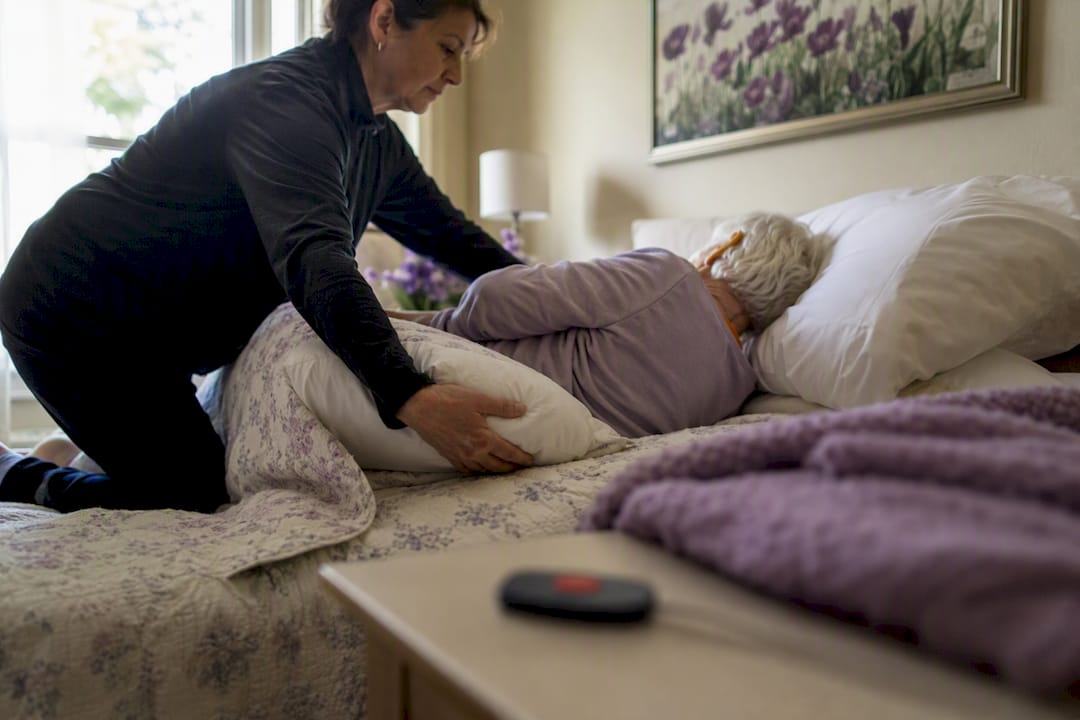
The fastest way to prevent pressure sores at home is consistent pressure relief, paired with daily skin checks, moisture control, and enough protein and fluid to keep skin resilient. Skip any one piece and the risk climbs fast: just two hours of unrelieved pressure can start breaking down tissue over bony areas like the tailbone, hips, and heels.
Start today with three things:
- Reposition the person in bed regularly every hour or two, and shift a seated person’s weight frequently, about every 15 to 20 minutes.
- Check the skin over bony prominences once a day for redness, warmth, or texture changes.
- Keep skin clean and dry, especially after any incontinence episode.
Quick fact: according to the National Institutes of Health, pressure injury can begin forming in as little as two hours of sustained, unrelieved pressure. Clinical guidance from bodies like NPIAP reinforces this timeline, and a resource like Helping-hands-home-care can help you build a routine around it when family caregiving alone feels like too much to manage consistently.
Key Takeaways
Preventing pressure sores at home depends on repositioning every 1 to 2 hours, daily skin inspection, moisture control, and adequate protein intake working together as one routine.
| Point | Details |
|---|---|
| Reposition on schedule | Turn bedbound individuals every 1 to 2 hours; shift seated individuals every 15 to 20 minutes. |
| Inspect skin daily | Check bony prominences for redness, warmth, or texture changes, and photograph anything suspicious. |
| Control moisture immediately | Clean skin right after incontinence episodes and apply barrier cream before repositioning. |
| Skip donut cushions | Use foam or gel cushions designed for pressure redistribution instead. |
| Bring in professional support | Helping-hands-home-care’s home health aides assist with safe transfers, skin checks, and hygiene when family caregiving alone isn’t enough. |
Where to learn more about pressure sore prevention at home
The NCBI Bookshelf covers pressure injury formation and staging. MedlinePlus offers patient-facing prevention steps. The Merck Manual explains treatment limits for established sores.
This article is general information, not a substitute for advice from a qualified doctor. Consult a qualified healthcare professional about your own circumstances before acting on anything here.
Table of Contents
- What Is the Bedside Checklist for Pressure Sore Prevention at Home?
- How Often Should You Reposition Someone to Prevent Pressure Sores?
- How Do You Manage Skin Care and Moisture to Prevent Sores?
- What Support Surfaces Actually Reduce Pressure Sore Risk?
- What Nutrition and Hydration Support Skin Health?
- What Are the Early Warning Signs of a Pressure Sore?
- What Home Equipment Reduces Pressure Sore Risk?
- How Do Daily Routines and Documentation Support Prevention?
- Sources
What Is the Bedside Checklist for Pressure Sore Prevention at Home?
Print this out and tape it near the bed. It works whether you’re caring for a parent after a stroke or managing a bedbound spouse recovering from surgery.
- Reposition on schedule. Turn a bedbound person every 1 to 2 hours; help a seated person shift weight every 15 to 20 minutes, or as often as they’re able on their own.
- Check the skin. Look at heels, hips, tailbone, elbows, and shoulder blades. Note color, warmth, texture, and any spot that doesn’t turn white when pressed. Take a photo with a phone if you’re unsure whether something changed.
- Manage moisture immediately. Clean skin right after any urine or stool contact, pat dry, and apply barrier cream before repositioning.
- Watch for red flags. Spreading redness, warmth, blistering, drainage, or a foul odor means it’s time to call a nurse or doctor, not wait and see.
Pro Tip: Keep a small notebook or phone note logging turn times and skin observations. A pattern of “same spot, every check” is the earliest warning sign clinicians want to hear about.
How Often Should You Reposition Someone to Prevent Pressure Sores?
Clinical guidance is specific here, and it’s worth following closely rather than eyeballing it. Bedbound individuals need to be turned at least every 1 to 2 hours, while seated people should shift weight every 15 to 20 minutes if they can’t do it themselves. That’s the backbone of pressure sore prevention at home, and it’s non-negotiable once someone loses the ability to move independently.
Technique matters as much as timing. A 30-degree lateral tilt, propped with pillows behind the back, spreads weight across the hip and shoulder instead of concentrating it directly on the tailbone. Straight side-lying puts intense pressure on the hip bone and can create a new problem while solving another.
When you move someone, use a draw sheet and lift rather than drag. Dragging creates shear force that damages tissue layers below the surface, even when the skin looks fine afterward. Two people managing the sheet, one on each side, makes this far safer for both the caregiver’s back and the patient’s skin.
A few habits make consistency realistic:
- Set a phone alarm for turn times rather than relying on memory during a long day.
- Use a simple chart taped to the wall to log each turn and who did it.
- Involve the person in their own repositioning where possible. Even a small voluntary shift counts and reduces caregiver strain.
Pro Tip: If the person can shift their own weight but forgets, a vibrating watch timer works better than a loud alarm and doesn’t disturb sleep or visitors.
How Do You Manage Skin Care and Moisture to Prevent Sores?
Clean skin gently once or twice a day using a mild, pH-balanced cleanser rather than regular bar soap, which strips natural oils and leaves skin more vulnerable to breakdown. Avoid hot water. It feels good in the moment but dries skin out and increases fragility over time.
After washing, pat skin dry rather than rubbing, which can cause micro-tears in already thin, aging skin. Apply a barrier cream containing zinc oxide or dimethicone to areas exposed to moisture, focusing on the buttocks, groin, and skin folds.
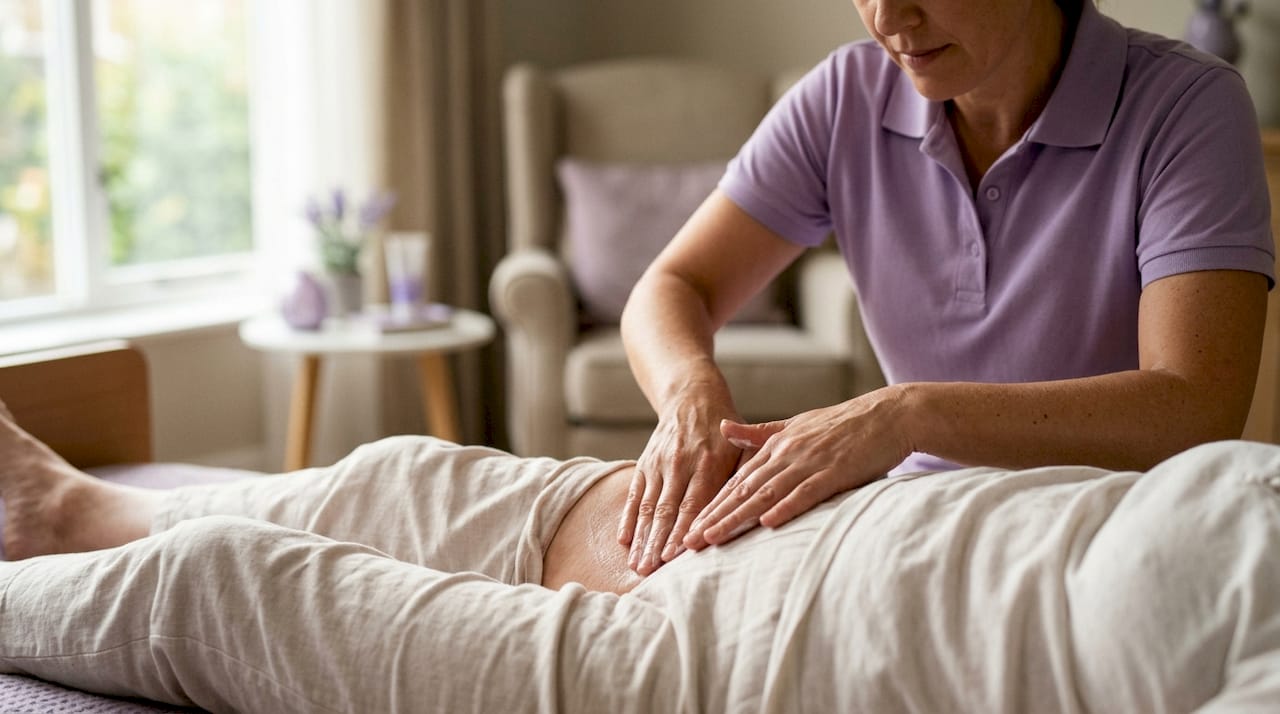
Incontinence deserves urgent attention here. Moisture from incontinence substantially raises pressure injury risk, so clean the skin immediately after any accident rather than waiting for a scheduled change. Use absorbent underpads on the bed and change them as soon as they’re wet, not on a fixed schedule that ignores what’s actually happening.
For inspection, a few practices matter regardless of skin tone:
- Compare warmth and firmness between the same spot on both sides of the body, since redness alone can be harder to spot on darker skin.
- Feel for spots that are warmer, cooler, firmer, or spongier than surrounding tissue.
- Photograph any suspicious area next to a coin or ruler for scale, so you can track changes day to day.
What Support Surfaces Actually Reduce Pressure Sore Risk?
Static support surfaces (foam or gel mattresses and cushions) redistribute weight passively and work well for people who can still shift position somewhat on their own. Dynamic surfaces, like alternating-pressure air mattresses, cycle air chambers to change pressure points automatically and suit people who are fully immobile or already showing early skin changes.
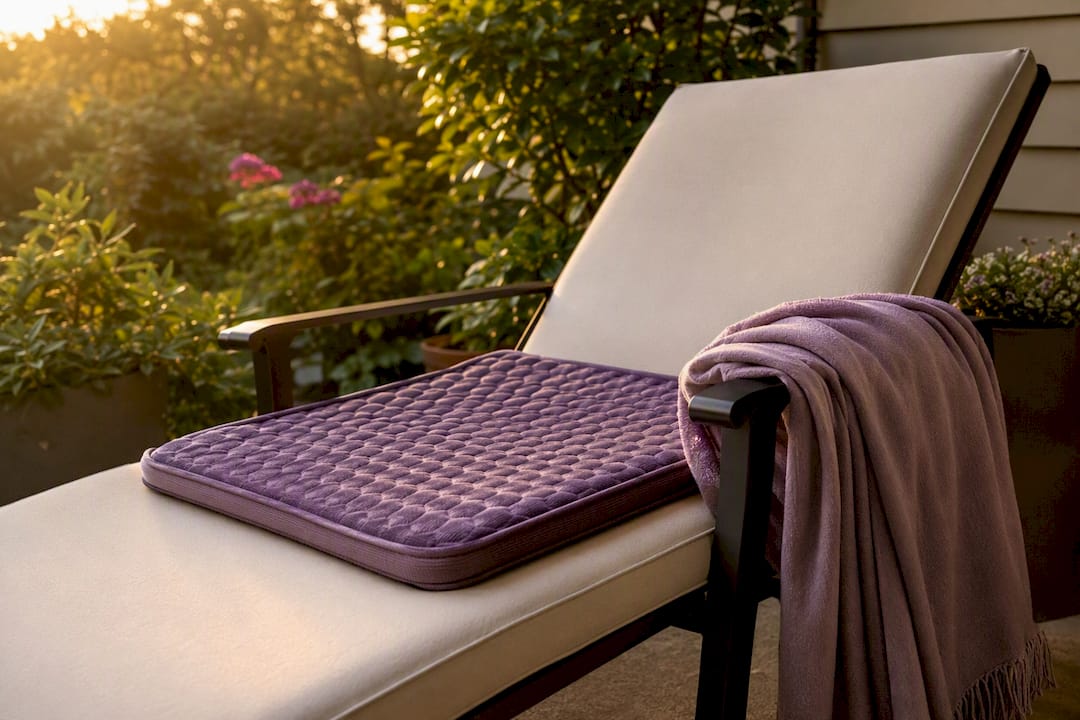
One item to remove from the house entirely: donut-shaped cushions. They concentrate pressure on the surrounding tissue ring instead of relieving it, which can make things worse rather than better. Replace them with a contoured foam or gel cushion designed specifically for pressure redistribution, or medical sheepskin padding for shorter-term use.
Before trusting any mattress or cushion, run through this quick check:
- Press down with your hand. If you feel the hard surface underneath within an inch or two, it’s too compressed to protect skin.
- Check for flattened, worn spots, especially where the person sits or lies most often.
- Confirm heels are floating free of the mattress surface entirely, using a pillow under the calves rather than the heels themselves.
If none of this feels adequate, ask a home health aide or medical equipment supplier about rental options. Many insurance plans and Medicare cover pressure-redistribution surfaces once a clinician documents medical necessity.
What Nutrition and Hydration Support Skin Health?
Skin needs raw material to repair itself, and that means calories, protein, and specific micronutrients like zinc and vitamin C. A person healing from skin breakdown or at high risk often needs more protein than a typical diet provides, not less.
Simple additions work better than dramatic diet overhauls:
- Add Greek yogurt, cottage cheese, or a protein shake between meals rather than relying on three large meals alone.
- Offer nut butter on toast or fruit as an easy, high-calorie snack that doesn’t require much chewing effort.
- Keep water, milk, or oral nutritional supplement drinks within reach rather than sugary soda or alcohol, which don’t support tissue repair and can worsen incontinence.
Pro Tip: If appetite has dropped noticeably over a few weeks, ask the primary care provider for a referral to a dietitian before skin problems appear, not after.
What Are the Early Warning Signs of a Pressure Sore?
Non-blanching redness is the signal to watch most closely: press a red spot with a finger, and if it stays red instead of turning pale, tissue damage has already started. Watch also for skin that feels warmer or cooler than the surrounding area, tissue that’s unusually firm or spongy, unexplained pain at a pressure point, or any blistering.
On darker skin tones, redness is harder to see, so rely more on temperature and texture changes than color alone.
For conversations with a clinician, simple staging language helps: Stage 1 is intact but discolored skin, Stage 2 involves a shallow open wound, and Stage 3 or 4 means deeper tissue damage requiring urgent professional care. There’s no effective home remedy for an already-formed sore. At that point, the priority shifts entirely to relieving pressure and getting a wound care evaluation.
Call a clinician right away if you notice:
- Redness that spreads or doesn’t fade within 30 minutes of relieving pressure
- Any drainage, odor, or fever
- Pain that’s worsening rather than improving
What Home Equipment Reduces Pressure Sore Risk?
A modest equipment list covers most home situations: a foam or gel cushion for chairs, heel protector boots or pillows for bed, a draw sheet for safe repositioning, and absorbent underpads for incontinence management.
Check fit annually since bodies and needs change. A cushion that worked a year ago might now be too compressed or the wrong size if weight has shifted significantly.
For anyone managing a wheelchair setup, it’s worth reviewing seating and cushion options designed specifically for pressure redistribution rather than general comfort.
A few housekeeping habits matter more than people expect:
- Smooth wrinkled sheets before each repositioning; a fold under the hip can create a pressure point as damaging as a poorly fitted mattress.
- Check pockets, seat cushions, and wheelchair trays for forgotten items like phones or remote controls that create pressure points.
- Keep the bedroom and bathroom area clear and dry, which also lowers fall risk during transfers (a related concern worth addressing separately).
Regular house cleaning also plays a role here by reducing moisture and irritants that contribute to skin breakdown, particularly in bathrooms and bedding areas.
How Do Daily Routines and Documentation Support Prevention?
A workable daily schedule might look like this:
- Morning: Skin check during dressing, reposition, breakfast with a protein source.
- Midday: Reposition, hydration check, light snack, brief mobility if possible.
- Afternoon: Skin check, incontinence care if needed, reposition.
- Evening: Full skin inspection, barrier cream application, final reposition before sleep.
A home health aide can assist meaningfully here, particularly with safe two-person transfers, skin inspection in hard-to-see areas like the lower back, and keeping the documentation consistent when family caregivers are stretched thin. Examples of structured care routines are outlined in sample home care plans that adapt well to pressure sore prevention specifically.
For documentation, record turn times, skin observations, and any changes, however small. Photos matter more than memory.
A consistent log turns “I think that spot looked different yesterday” into “this spot has been red for three consecutive checks.” That distinction is often what gets a clinician to intervene early rather than after a sore has already opened.
A caregiver’s honest take on staying consistent
Perfection isn’t the goal here. Missing one turn time on a hard day doesn’t undo weeks of good habits. What matters more is the pattern: most families who avoid serious skin breakdown aren’t the ones with the fanciest equipment. They’re the ones who check skin daily and don’t skip it when they’re tired. When the routine starts feeling unmanageable alone, that’s a signal to bring in professional support, not a failure to push through.
*— Michael
How Helping-hands-home-care supports pressure sore prevention at home
Family caregivers often hit a wall not from lack of knowledge but from lack of hands. You can know exactly what needs to happen every two hours and still not physically manage it alone, especially with a person who needs a two-person transfer or overnight repositioning. That’s where Helping-hands-home-care’s home health aide services fit in: trained aides handle safe transfers, skin checks, hygiene support, and meal prep, all built around the exact prevention routine outlined above.
A prevention-focused home visit typically starts with an assessment of the person’s mobility, current skin condition, and existing support surfaces, followed by a repositioning and hygiene plan the aide follows consistently. Helping-hands-home-care also offers house cleaning services that reduce moisture and irritant buildup around bedding and bathroom areas. Therapeutic massage is offered where a clinician confirms it’s appropriate for circulation support. If your household is reaching the point where consistent repositioning and skin checks feel impossible to sustain alone, it may be time to consider more in-home support. Reach out to schedule a home health aide consultation and get a prevention plan built around your household’s actual schedule.
Sources
- Pressure Injuries — NCBI Bookshelf
- Pressure sores — Merck Manual (Consumer)
- Systematic review and meta-analysis of pressure injury risk factors (PMC)
Recommended
- Stroke Home Care: A Caregiver’s Complete Action Plan | Helping Hands Home Care
- How to Prepare Home for Caregiver: 2026 Safety Guide | Helping Hands Home Care
- At-Home Care for Families: A Practical U.S. Guide | Helping Hands Home Care
- Talking to Parents About Home Care: A Family Guide | Helping Hands Home Care